
How to Support Black Attorneys in Your Community

Supporting Black attorneys in your community is not only a matter of justice but also a means to enrich the legal profession with diverse perspectives. By actively engaging in initiatives that promote the inclusion and success of Black legal professionals, we contribute to a more equitable society. This endeavor is deeply rooted in the recognition of historical milestones and the ongoing importance of Black history.
Historically, the legal profession has seen significant contributions from Black attorneys who have paved the way for future generations. For instance, in 1869, Howard University's law school became the first Black law school in the United States, providing essential legal education to African Americans during Reconstruction. Later, in 1933, Thurgood Marshall graduated first in his class from Howard University School of Law, eventually becoming the first African American Supreme Court Justice in 1967. These milestones highlight the resilience and determination of Black legal professionals in the face of systemic barriers.
To support Black attorneys today, mentorship programs play a crucial role. Experienced legal professionals can offer guidance, share insights, and provide networking opportunities to Black attorneys navigating their careers. Organizations like the Legally BLK Fund facilitate one-on-one mentorship programs, pairing aspiring Black women lawyers with seasoned attorneys to foster professional growth and development.
Financial support is another critical aspect. The Community Fund for Black Bar Applicants, for example, provides financial assistance to Black bar applicants, helping to alleviate the economic burdens associated with bar exam costs. By contributing to such funds, individuals and organizations can directly impact the success of Black attorneys entering the profession.
Creating inclusive work environments within law firms and legal institutions is essential for retaining Black attorneys. Implementing diversity initiatives, such as affinity networks, can provide support and foster a sense of belonging. The Black Attorney Affinity Network aims to promote the inclusion and development of attorneys of color by offering forums for communication, mentoring, and professional development opportunities.
Community engagement also plays a vital role. Supporting Black-owned law firms and seeking legal services from Black attorneys can help sustain their practices and promote economic empowerment. Platforms like Justis Connection connect individuals with Black attorneys across various legal fields, making it easier to find and support Black legal professionals in your area.
Recognizing and celebrating Black history within the legal profession is crucial. Hosting events during Black History Month that highlight the contributions of Black attorneys can raise awareness and inspire future generations. For example, organizing speaking engagements featuring prominent Black legal figures or facilitating discussions on landmark cases can educate and engage the community.
The importance of these efforts extends beyond the legal community. A diverse legal profession ensures that multiple perspectives are considered in the pursuit of justice, leading to more equitable outcomes. Moreover, supporting Black attorneys contributes to the dismantling of systemic barriers and promotes social justice, benefiting society as a whole.
In conclusion, supporting Black attorneys in your community involves a multifaceted approach that includes mentorship, financial assistance, creating inclusive work environments, community engagement, and celebrating Black history. By embracing these strategies, we honor the legacy of pioneering Black legal professionals and work towards a more just and inclusive society.
Supporting Black attorneys is more than just an act of allyship—it’s an investment in justice, diversity, and the future of the legal profession. Whether through mentorship, financial contributions, workplace inclusivity, or simply choosing to work with Black legal professionals, every effort helps create a more equitable system. By acknowledging the historical challenges Black attorneys have faced and taking actionable steps to uplift them, we ensure that our communities benefit from fair and well-rounded legal representation.
If you're in need of expert legal services or want to support a Black-owned law firm, look no further than Byron C. Bailey & Associates, PLLC. Specializing in personal injury law, their dedicated team is committed to fighting for justice and ensuring clients receive the compensation they deserve.
Take the next step today—follow, subscribe, and connect with Byron C. Bailey & Associates, PLLC on social media. Your support not only strengthens Black attorneys in your community but also helps ensure justice is accessible to everyone.

The Role of Community in Promoting Black Wellness

The power of community has long been a cornerstone of Black wellness, fostering resilience, healing, and progress. Throughout history, Black communities have come together in the face of systemic oppression, pooling resources, supporting mental and physical health, and creating spaces where individuals can thrive. This tradition continues today, with community-driven initiatives playing a crucial role in advancing Black wellness and shaping a more equitable society for all.
The Historical Roots of Black Community Wellness
From the days of slavery through the Civil Rights Movement and into the modern era, Black communities have always relied on collective strength. Historically, enslaved Africans created support networks to preserve their culture, share knowledge, and uplift one another in the most harrowing conditions. The Underground Railroad, which reached its height in the 1800s, was not just a path to freedom—it was a communal effort led by people who risked everything to ensure others could escape bondage.
During Reconstruction, Black communities built their own schools, businesses, and churches, fostering economic and educational growth despite Jim Crow laws designed to suppress their progress. Institutions like Historically Black Colleges and Universities (HBCUs) emerged, offering higher education opportunities when mainstream institutions barred Black students. These early efforts laid the foundation for modern wellness initiatives, reinforcing the idea that community is essential to Black success and well-being.
Black Wellness in the 20th Century
The Civil Rights Movement of the 1950s and 1960s highlighted the power of community organization in promoting overall well-being. Leaders like Dr. Martin Luther King Jr., Malcolm X, and Ella Baker understood that social justice and health were deeply intertwined. The Black Panther Party, often misrepresented in mainstream narratives, played a critical role in Black wellness by establishing free medical clinics, breakfast programs for children, and self-defense initiatives to protect Black neighborhoods from police brutality.
One of the most impactful community-driven health programs of the era was the Black Panther Party’s Free Breakfast for Children Program, which began in 1969. This initiative provided nutritious meals to thousands of Black children, improving their concentration and performance in school. The success of this program even pushed the U.S. government to expand its own school breakfast programs, benefiting children across racial lines. It was a prime example of how Black wellness initiatives have historically made the world a better place for everyone involved.
The Importance of Black Wellness Today
While significant progress has been made, racial disparities in health care, economic opportunity, and mental health resources persist. Black communities face higher rates of chronic illnesses such as diabetes, hypertension, and heart disease—largely due to systemic barriers to quality health care, nutritious food, and safe environments. Additionally, the mental health crisis in Black communities remains a pressing issue, with stigma and a lack of culturally competent professionals limiting access to care.
Grassroots organizations, activists, and entrepreneurs have stepped up to bridge these gaps, emphasizing holistic wellness approaches that address both physical and mental health. Groups like Black Men Heal, the Loveland Foundation, and Therapy for Black Girls are dismantling mental health stigmas by providing therapy services tailored to Black experiences. Meanwhile, urban gardening movements, such as Ron Finley’s community gardening projects, are combating food deserts by empowering communities to grow their own fresh produce.
Technology has also played a role in promoting Black wellness, with social media serving as a powerful tool for education, advocacy, and connection. Hashtags like #BlackJoy and #BlackMentalHealth help to spread awareness, while online wellness communities provide safe spaces for Black individuals to discuss issues affecting them. By leveraging digital platforms, the community-driven focus on Black wellness continues to evolve, reaching more people than ever before.
Why Black History Matters in the Wellness Movement
Remembering Black history is crucial to understanding the significance of community in Black wellness. History serves as a blueprint for present and future efforts, offering lessons on resilience, innovation, and collective care. The erasure or misrepresentation of Black history undermines these efforts, making it even more important to preserve and share these stories.
Black History Month, established in 1926 by Carter G. Woodson as Negro History Week before expanding in 1976, provides an opportunity to reflect on the contributions of Black leaders who have shaped health, wellness, and society as a whole. Figures like Harriet Tubman, who used herbal medicine to treat the sick while leading enslaved people to freedom, and Dr. Rebecca Lee Crumpler, the first Black woman to earn a medical degree in the U.S., paved the way for modern Black wellness movements.
By honoring Black history, we ensure that future generations understand the power of community-driven change. Black wellness is not just about physical and mental health—it is about economic empowerment, educational access, and social justice. Every initiative, from local mutual aid groups to national advocacy organizations, carries the spirit of those who came before.
Building a Future Where Black Wellness Thrives
The world benefits when Black communities are healthy, empowered, and supported. Studies show that diverse, inclusive societies with equitable access to health care, education, and economic opportunities are more prosperous and innovative. Investing in Black wellness means investing in a better future for everyone.
To continue this progress, it is essential to support Black-owned businesses, advocate for policies that promote racial equity in health care and education, and uplift organizations dedicated to Black wellness. Community involvement—whether through volunteering, donating, or simply spreading awareness—plays a vital role in ensuring that these efforts succeed.

Famous Black Litigators: Johnnie Cochran and Willie Gary – Champions of Justice

The Legacy of Black Litigators in America
Black history is rich with stories of resilience, brilliance, and triumph in the face of adversity. Among the many remarkable figures who have shaped the legal landscape, Johnnie Cochran and Willie Gary stand out as two of the most powerful and influential litigators in American history. Their careers, spanning high-profile criminal defense cases and groundbreaking civil litigation, have not only changed lives but also redefined the justice system itself. Understanding their legacies is essential to recognizing how Black legal professionals have fought to level the playing field and ensure fairness in a system often fraught with bias.
Johnnie Cochran: The People’s Lawyer
Johnnie Cochran was born on October 2, 1937, in Shreveport, Louisiana, and later moved to Los Angeles, California, where he developed his passion for justice. Cochran attended UCLA before earning his law degree from Loyola Law School in 1962. From the very beginning of his career, he was dedicated to fighting for those who could not defend themselves, especially victims of police brutality and racial discrimination.
Cochran’s most famous case came in 1995 when he led the defense team for O.J. Simpson in what became known as “The Trial of the Century.” The case captivated the nation, as Simpson, a beloved former NFL star, was accused of murdering his ex-wife Nicole Brown Simpson and her friend Ron Goldman. Cochran’s defense strategies, including his now-iconic phrase, “If it doesn’t fit, you must acquit,” played a significant role in securing Simpson’s controversial acquittal. Regardless of one’s stance on the case, Cochran’s masterful legal expertise showcased the power of an exceptional litigator in shaping public perception and courtroom outcomes.
Beyond O.J. Simpson, Cochran dedicated much of his career to fighting for civil rights. He represented victims of police brutality, including Abner Louima and Sean Bell, using his platform to expose racial injustices within law enforcement. His advocacy brought national attention to the systemic issues that disproportionately impacted Black communities and helped push forward meaningful legal reforms.
Johnnie Cochran passed away on March 29, 2005, but his legacy endures. His law firm, The Cochran Firm, continues to represent clients nationwide, upholding his commitment to justice. His impact on the legal profession is immeasurable, inspiring countless Black attorneys to pursue careers in litigation and advocacy.
Willie Gary: The Giant Killer
While Johnnie Cochran was a household name in criminal defense, Willie Gary made history in the realm of civil litigation. Known as “The Giant Killer,” Gary took on some of the most powerful corporations in America and won unprecedented settlements for his clients.
Willie Gary was born on July 12, 1947, in Eastman, Georgia, to a family of sharecroppers. Overcoming extreme poverty, he earned a football scholarship to Shaw University, a historically Black college, before attending North Carolina Central University School of Law. His journey from humble beginnings to legal powerhouse is nothing short of inspirational.
One of his most famous cases was his lawsuit against Loewen Group, a major funeral services corporation, in 1995. Representing a small funeral home owner who had been driven out of business due to unethical practices, Gary secured a $500 million verdict—one of the largest jury awards in U.S. history at the time. This case solidified his reputation as a fearless advocate willing to take on corporate giants.
Throughout his career, Gary has won over 150 lawsuits with settlements totaling billions of dollars. His work has ensured that corporations are held accountable for unethical and discriminatory practices, often helping Black-owned businesses receive the justice they deserve. He has also made significant philanthropic contributions, funding scholarships and educational programs to uplift marginalized communities.
Why Their Work Matters
The impact of Johnnie Cochran and Willie Gary extends far beyond the courtroom. Their work has challenged racial disparities in the justice system, held powerful entities accountable, and provided a voice for those who would otherwise go unheard. Their influence has paved the way for more Black attorneys to rise through the ranks, ensuring that future generations have access to strong legal representation.
Moreover, their success stories serve as a testament to the importance of perseverance, intelligence, and unwavering commitment to justice. Cochran and Gary both faced racial barriers in their careers, but they shattered them through excellence and resilience. Their journeys remind us that the legal profession—and society as a whole—benefits immensely when diverse voices are at the table.
The Importance of Black History and Remembering Our Trailblazers
Black history is not just for the month of February—it is an essential part of American history that must be recognized, celebrated, and taught year-round. Remembering figures like Johnnie Cochran and Willie Gary ensures that we acknowledge the contributions of Black professionals who have fought to make the world a more just place.
Ignoring or downplaying Black history erases the struggles and triumphs that have shaped the nation. It is crucial to educate current and future generations about these trailblazers, not only to honor their legacies but also to inspire continued progress. Representation matters, and seeing individuals like Cochran and Gary excel in their fields provides hope and motivation for young Black lawyers, activists, and leaders striving to make a difference.
How This Legacy Continues to Shape the World
The legal battles fought by Cochran and Gary have had lasting effects on civil rights, corporate responsibility, and legal advocacy. Today, many Black attorneys cite them as role models, drawing inspiration from their dedication to justice. Law firms and organizations that once lacked diversity are now making strides to include and empower Black legal professionals, thanks in part to the doors these icons opened.
Beyond the legal field, their stories inspire people in all walks of life to stand up against injustice, whether in the workplace, the community, or the political arena. They have demonstrated that one person—or a committed legal team—can change the course of history, proving that courage and intellect are powerful tools against oppression.
Conclusion: Honoring Their Legacies and Moving Forward
Johnnie Cochran and Willie Gary are more than just legendary lawyers—they are symbols of Black excellence, resilience, and justice. Their work has left an indelible mark on the legal system and has contributed to a more equitable society. As we celebrate their achievements, we must also commit to continuing their fight for justice in all its forms.
Engaging with Black history, sharing these stories on social media, and educating others about the contributions of Black litigators are all ways we can honor their legacies. By keeping their names and accomplishments alive, we ensure that their impact is never forgotten and that future generations have the inspiration they need to break barriers and create change.
The world is a better place because of Johnnie Cochran and Willie Gary. Their stories are a reminder that justice is worth fighting for—and that when we stand together, armed with knowledge and determination, we can achieve greatness.

The Role of Black Student Associations in Law Schools

In the pursuit of justice, representation matters. This truth is particularly evident in law schools, where Black Student Associations (BSAs) play a crucial role in ensuring diversity, equity, and inclusion in legal education. These organizations provide a sense of community, mentorship, and advocacy that not only benefits Black law students but enriches the entire legal profession. Their contributions have shaped generations of legal minds, fostering a more just and equitable society.
A History Rooted in Resilience
The presence of Black students in American law schools has historically been fraught with obstacles. Prior to the Civil Rights Movement, most law schools outright denied Black applicants based on race. It wasn’t until landmark cases like Sweatt v. Painter (1950) and Brown v. Board of Education (1954) that legal segregation in education began to crumble. However, even as legal barriers fell, systemic racism and exclusion remained significant challenges for Black students seeking a legal education.
In response, Black Student Associations in law schools emerged in the late 1960s and 1970s as part of a broader wave of student activism. These organizations were designed to combat racial isolation, push for institutional change, and support Black law students navigating predominantly white institutions. The National Black Law Students Association (NBLSA) was founded in 1968, marking a critical turning point in legal education. This national organization gave Black law students a unified voice to advocate for equitable policies and address racial disparities in the legal profession.
Why Black Student Associations Matter
Black Student Associations serve as a vital network that fosters academic success, mental well-being, and career development. The legal field remains one of the least diverse professions in the United States. According to the American Bar Association, only about 5% of lawyers are Black, despite Black Americans making up approximately 13% of the U.S. population. This stark disparity underscores the importance of BSAs in providing resources and guidance to aspiring Black attorneys.
These organizations create opportunities that many Black law students would otherwise lack. They offer mentorship programs that connect students with seasoned Black attorneys and judges, providing invaluable advice on navigating law school and the job market. Networking events, scholarship opportunities, and workshops on topics like judicial clerkships and law firm recruitment ensure that Black students are well-prepared to enter the field.
Furthermore, BSAs act as advocacy groups within law schools, holding administrations accountable for diversity initiatives. They push for increased Black faculty representation, culturally competent curriculum adjustments, and equitable admissions policies. Their activism has led to scholarship programs, revised hiring practices, and the creation of courses focusing on race and law.
Creating Lasting Change in the Legal Profession
The impact of Black Student Associations extends far beyond law school walls. Many alumni of these organizations go on to become influential leaders in the legal field, from public defenders and civil rights attorneys to corporate lawyers and Supreme Court justices. The late Justice Thurgood Marshall, the first Black Supreme Court Justice, exemplifies the importance of Black representation in law. His legal career was built on challenging racial injustice, and today’s Black law students continue that legacy through their advocacy.
The collective power of Black law students has also contributed to broader social change. Through pro bono work, legal clinics, and grassroots organizing, BSAs often engage with their local communities to provide legal assistance to marginalized groups. Whether through voter rights initiatives, criminal justice reform efforts, or immigrant advocacy, these students use their legal knowledge to fight systemic injustices.
Notably, during the protests following the murder of George Floyd in 2020, BSAs across the country took a stand against police brutality and racial inequities in the justice system. They organized panels with legal experts, provided resources on how to engage in lawful activism, and helped connect protestors with pro bono legal representation. Their involvement demonstrated the vital role law students play in shaping legal discourse and influencing policy.
Why Black History and Representation Matter
The work of Black Student Associations serves as a crucial reminder of why Black history must always be honored and remembered. Black students have fought—and continue to fight—against barriers that seek to exclude them from legal spaces. By preserving this history, we acknowledge the sacrifices made by those who paved the way while inspiring future generations to carry the torch forward.
Remembering Black history is not just about recounting struggles but celebrating victories. Every Black lawyer, judge, and policymaker who emerged from a BSA contributes to a more just world. The legal profession thrives when diverse voices are included in shaping laws and policies. Without these perspectives, the justice system risks perpetuating the very inequities it seeks to dismantle.
Moreover, social media has amplified the visibility of Black Student Associations, allowing them to reach broader audiences and engage in nationwide discussions about legal reform. Platforms like Twitter, Instagram, and LinkedIn serve as digital meeting spaces where BSAs can share achievements, highlight systemic issues, and mobilize support. The virality of their initiatives has increased awareness about the importance of diversity in law and inspired more young Black students to consider legal careers.
Conclusion: A Call to Action
The role of Black Student Associations in law schools cannot be overstated. They provide crucial support, foster professional growth, and push for necessary reforms that benefit the entire legal system. Their work is not just about increasing Black representation in law; it is about ensuring that justice is truly equitable for all.
As we reflect on the contributions of these organizations, we must continue to uplift and support their efforts. Law schools must commit to diversity not just in words but in action—through equitable admissions policies, increased financial aid, and expanded hiring of Black faculty. Legal professionals must mentor and invest in young Black lawyers, ensuring they have the tools to succeed.
For those outside the legal profession, supporting Black law students means advocating for policies that increase access to legal education, amplifying their voices on social media, and donating to scholarship funds that help ease the financial burdens of law school.
The work of Black Student Associations has made the legal field—and the world—a better place. Their continued efforts will shape the future of law, ensuring that justice is not just an ideal, but a reality for everyone.
The Importance of Black Law Schools in Promoting Social Equity

Black law schools have long been a cornerstone of progress, justice, and social change in the United States. These institutions have played a crucial role in shaping generations of Black legal professionals who have gone on to fight for civil rights, dismantle systemic injustices, and serve as advocates for marginalized communities. Understanding the significance of Black law schools not only helps us appreciate the strides made in social equity but also reinforces the necessity of preserving and strengthening these institutions for future generations.
The Historical Roots of Black Law Schools
Historically, Black Americans were systematically denied access to education, particularly legal education. Prior to the Civil War and well into the Jim Crow era, Black students were barred from attending predominantly white institutions, effectively preventing them from entering the legal profession. The first Black law school, Howard University School of Law, was established in 1869 with the mission of training Black lawyers who would go on to fight for racial justice and social equity.
Howard University became a beacon of hope, producing some of the most influential legal minds in history, including Thurgood Marshall, who later became the first Black Supreme Court Justice in 1967. Marshall, along with the NAACP Legal Defense Fund, used legal strategies honed at Howard to dismantle segregation, culminating in the landmark Brown v. Board of Education (1954) decision that ruled racial segregation in public schools unconstitutional.
Why Black Law Schools Matter Today
Despite the progress made over the past century, systemic inequalities persist in the legal field and society at large. Black law schools continue to play a vital role in bridging these gaps by providing opportunities for Black students to excel in the legal profession. These institutions create environments that nurture cultural identity, equip students with the tools to advocate for their communities, and produce lawyers who understand the unique challenges faced by Black Americans.
The need for diverse legal perspectives has never been more urgent. Studies have shown that Black lawyers remain underrepresented in law firms, judicial positions, and legal academia. According to the American Bar Association, Black attorneys make up only 5% of the legal profession despite representing approximately 13% of the U.S. population. Black law schools help close this gap by producing graduates who are more likely to serve in public interest roles, civil rights litigation, and government positions where they can influence policy and promote justice.
Making the World a Better Place for All
The impact of Black law schools extends beyond their students; their contributions have improved society as a whole. Many landmark cases that have advanced civil rights and social justice were spearheaded by Black attorneys trained at these institutions. From fighting voter suppression laws to challenging racial profiling, Black lawyers have been at the forefront of legal battles that benefit all Americans by upholding democratic principles and ensuring equal protection under the law.
For instance, Charles Hamilton Houston, often called the "Architect of the Civil Rights Movement," was a Howard University School of Law graduate who mentored Thurgood Marshall. His meticulous legal strategies laid the groundwork for dismantling segregation laws that affected millions of Americans, not just Black citizens. Similarly, the work of Black lawyers in the criminal justice system has led to the exposure of wrongful convictions, police misconduct, and unfair sentencing laws that disproportionately affect people of color.
Moreover, diversity in the legal field strengthens the justice system by fostering a broader range of perspectives. A judiciary and legal profession that reflect the diversity of the American population lead to fairer rulings, more equitable policies, and greater public trust in the legal system.
The Importance of Black History and Remembering Our Roots
Understanding the role of Black law schools in promoting social equity is part of a broader necessity to acknowledge and honor Black history. Erasing or overlooking these institutions' contributions diminishes the struggles and triumphs of those who fought for justice. Black history is American history, and learning from it allows society to progress without repeating past injustices.
By remembering and celebrating Black legal pioneers, we inspire future generations to continue the fight for equity and inclusion. Every Black lawyer who stands before a courtroom, every judge who interprets the law, and every professor who teaches legal doctrine carries the legacy of those who came before them. It is through this continuous recognition that we ensure the sacrifices made by trailblazers like Charlotte E. Ray, the first Black female lawyer in the U.S., and Macon Bolling Allen, the first Black man admitted to the bar, were not in vain.
Furthermore, acknowledging Black history is essential in combating misinformation and systemic attempts to downplay the significance of Black contributions to American society. Education is a powerful tool, and Black law schools serve as institutions of knowledge that preserve the truth and uphold the principles of justice and equality.
Leveraging Social Media to Amplify the Message
In today’s digital age, spreading awareness about the importance of Black law schools and their impact is more accessible than ever. Social media platforms provide a powerful tool for engagement, allowing individuals to share success stories, celebrate achievements, and advocate for greater support of these institutions. Posts featuring Black legal pioneers, alumni achievements, and historical milestones can gain traction and inspire others to learn more about their significance.
Using hashtags like #BlackLawSchoolsMatter, #SocialJustice, and #BlackHistoryMonth can help drive visibility and encourage discussions about the role these schools play in shaping a more just society. Short videos highlighting the achievements of Black lawyers, infographics showing statistics on diversity in the legal field, and personal testimonies from students and alumni can generate high engagement and shares.
Additionally, calls to action urging people to support Black law schools through donations, mentorship programs, and scholarship funds can contribute to their continued success. Ensuring these institutions receive the recognition and resources they deserve strengthens their ability to cultivate the next generation of legal professionals committed to social justice.
Conclusion
Black law schools have been, and continue to be, a critical force in promoting social equity. From their inception as necessary institutions in a segregated society to their role in shaping the legal minds that have fought for justice, these schools have left an indelible mark on history. They have produced leaders who have challenged discriminatory laws, upheld constitutional rights, and inspired future generations to pursue careers in law.
As we move forward, it is essential to recognize the importance of Black law schools, support their missions, and continue educating ourselves about their contributions to society. By doing so, we honor the legacy of those who paved the way, ensure that their sacrifices were not in vain, and work towards a future where justice and equity are not ideals but realities for all.
A Comprehensive Guide to Historically Black Law Schools

Historically Black Colleges and Universities (HBCUs) have been instrumental in shaping the legal landscape of the United States. Among these institutions, several law schools have emerged as pillars of legal education, advocacy, and social justice. This comprehensive guide delves into the history, significance, and enduring impact of historically Black law schools.
A Legacy of Empowerment and Justice
The establishment of HBCU law schools was a direct response to the systemic exclusion of African Americans from legal education and the broader legal profession. These institutions were founded to provide African Americans with the opportunity to study law, advocate for their communities, and challenge the pervasive injustices of their times.
One of the earliest and most notable of these institutions is the Howard University School of Law, established in 1869. Located in Washington, D.C., Howard Law has been at the forefront of civil rights advocacy. Its alumni include prominent figures such as Thurgood Marshall, the first African American Supreme Court Justice, who graduated in 1933. Marshall's legal prowess was instrumental in the landmark Brown v. Board of Education case, which declared racial segregation in public schools unconstitutional.
Another significant institution is the North Carolina Central University (NCCU) School of Law, founded in 1939. Located in Durham, North Carolina, NCCU Law has a rich history of producing lawyers committed to public service and social justice. The school offers a curriculum that emphasizes both practical skills and theoretical knowledge, with clinics that provide hands-on experience in serving underserved communities.
In the southern region, the Southern University Law Center in Baton Rouge, Louisiana, established in 1947, has been a beacon for legal education. Originally created to provide African Americans with a law school option during segregation, it has evolved into a nationally recognized institution known for its affordable tuition, practical legal training, and commitment to diversity.
The Importance of Historically Black Law Schools
The significance of HBCU law schools extends beyond their historical foundations. They continue to play a crucial role in diversifying the legal profession, promoting social justice, and serving as advocates for marginalized communities.
These institutions have been instrumental in producing a significant number of African American attorneys who have gone on to serve as judges, lawmakers, and civil rights leaders. For instance, the Thurgood Marshall School of Law at Texas Southern University in Houston, established in 1947, is dedicated to training attorneys with a commitment to justice and equality. Its moot court and mock trial teams consistently rank among the top in national competitions, reflecting the school's emphasis on trial advocacy and public interest law.
Moreover, HBCU law schools often operate legal clinics that offer pro bono services to underserved populations. These clinics tackle pressing issues such as civil rights, criminal justice reform, housing discrimination, and voter suppression. By doing so, they provide students with practical experience while making a tangible impact on their communities.
A Broader Impact on Society
The contributions of HBCU law schools have had a ripple effect, making the world a better place for everyone involved. By training generations of lawyers committed to justice and equality, these institutions have been at the forefront of legal battles that have shaped modern society.
The landmark Supreme Court case Brown v. Board of Education, argued by Howard Law alumnus Thurgood Marshall, is a prime example. This case not only transformed the American education system but also set a precedent for challenging systemic discrimination in various sectors.
Furthermore, graduates from HBCU law schools have been pivotal in advocating for civil rights, voting rights, and criminal justice reform. Their work has led to significant policy changes and increased awareness of issues affecting marginalized communities, thereby contributing to a more just and equitable society.
The Imperative of Remembering and Teaching Black History
Understanding and remembering Black history, particularly the history of HBCU law schools, is vital. It provides insight into the struggles and triumphs of African Americans and highlights the resilience and determination that have been instrumental in shaping the nation's legal and social frameworks.
Incorporating Black history into educational curricula fosters cultural competence, encourages empathy, and promotes a more inclusive understanding of the past. It challenges stereotypes, broadens perspectives, and underscores the importance of diversity in all facets of society.
Moreover, teaching Black history empowers students of all backgrounds by providing them with a more comprehensive understanding of the nation's history. It highlights the contributions of African Americans to various fields, including law, and inspires future generations to continue the pursuit of justice and equality.
Conclusion
Historically Black law schools have been, and continue to be, foundational pillars in the pursuit of legal education, social justice, and equality in the United States. Their enduring legacy is a testament to the importance of providing opportunities for marginalized communities and the profound impact that dedicated legal professionals can have on society.
As we reflect on their contributions, it becomes evident that remembering and teaching Black history is not only about honoring the past but also about informing the present and inspiring the future. By doing so, we ensure that the principles of justice, equality, and inclusivity remain at the forefront of our collective consciousness.

The Importance of Mentorship for Black Lawyers

The legal profession has long been a cornerstone of justice and societal progression. Within this realm, mentorship plays a pivotal role, especially for Black lawyers who have historically faced unique challenges. Understanding the significance of mentorship in this context not only highlights its transformative power but also underscores the broader importance of remembering and honoring Black history.
Throughout history, Black lawyers have navigated a profession that was not always welcoming. In 1912, the National Negro Bar Association (NNBA) was established in Little Rock, Arkansas, as the first national bar association for African-American lawyers. This initiative provided a platform for Black legal professionals to collaborate, support one another, and advocate for civil rights. Although the NNBA ceased operations in 1922, its legacy paved the way for the formation of the National Bar Association (NBA) in 1925. The NBA became a beacon for Black lawyers, offering mentorship and fostering a sense of community in a segregated society.
Mentorship within the legal field serves as a bridge, connecting seasoned professionals with emerging talents. For Black lawyers, mentorship offers guidance in navigating systemic challenges, understanding the nuances of legal practice, and building networks in spaces where they might be underrepresented. A study highlighted in the Michigan Journal of Law Reform emphasizes the disparities in mentorship experiences, noting that while some associates perceive an "open-door policy" with partners, others, particularly from minority backgrounds, may feel hesitant to seek guidance due to hierarchical structures. This underscores the need for intentional mentorship programs that address these gaps.
Recognizing this need, firms like Browne Jacobson have launched dedicated mentoring schemes aimed at aspiring Black lawyers. Their REACH (Race, Ethnicity, and Cultural Heritage) Mentoring Scheme provides mentees with one-on-one mentoring, paid work experience, and masterclasses tailored to equip them for successful legal careers. Such initiatives not only empower individual lawyers but also contribute to a more diverse and inclusive legal profession.
The impact of mentorship extends beyond individual success. When Black lawyers are supported and thrive, they become advocates for justice within their communities, challenge systemic inequalities, and inspire future generations. The ripple effect of effective mentorship leads to a more equitable legal system, benefiting society as a whole.
Reflecting on the importance of Black history, it's evident that remembering our past is crucial. Celebrations like Black History Month, which began as Negro History Week in 1926 and expanded to a month-long observance in 1976, serve to honor the contributions and struggles of Black individuals throughout history. These observances not only educate but also inspire current and future generations to continue the pursuit of equality and justice.
In conclusion, mentorship is a vital component in the journey of Black lawyers. It provides the support and guidance necessary to navigate a complex profession, fosters personal and professional growth, and contributes to a more just society. By valuing and promoting mentorship, and by remembering and honoring Black history, we lay the foundation for a future where diversity and inclusion are not just ideals but realities.
If you or a loved one need dedicated legal representation in personal injury matters, trust the experienced team at Byron C. Bailey & Associates, PLLC to fight for your rights. We are committed to justice and client advocacy, ensuring you receive the compensation you deserve. Follow and subscribe to our social media channels to stay informed about legal insights, community initiatives, and how we can help you navigate the legal system. Contact us today for a consultation!
The Role of Black Lawyers in Civil Rights Litigation

Civil rights litigation has been a driving force in the fight for racial equality in the United States. At the forefront of this battle have been Black lawyers, whose legal expertise and relentless advocacy have challenged oppressive laws and policies that upheld systemic racism. From the early days of segregation to modern battles against voter suppression and police brutality, Black lawyers have played a crucial role in shaping the legal landscape to ensure justice and equality for all. Their contributions have not only improved the lives of Black Americans but have also strengthened democracy and fairness for everyone.
The Legal System and Racial Injustice
For much of American history, the legal system has been used to uphold racial discrimination rather than dismantle it. Laws such as the Jim Crow statutes enforced segregation, while court rulings like Plessy v. Ferguson (1896) established the "separate but equal" doctrine, legitimizing racial discrimination in public facilities. During these times, Black lawyers emerged as key figures in challenging these injustices, recognizing that the legal system, despite its flaws, was a powerful tool for change. Early pioneers like Charles Hamilton Houston and Thurgood Marshall worked tirelessly to overturn discriminatory laws and provide legal representation to those denied justice due to their race.
Houston, known as the "architect of the civil rights movement," laid the groundwork for desegregation cases by training a generation of Black lawyers who would go on to fight racial injustice. His protégé, Thurgood Marshall, became one of the most influential figures in American legal history, using strategic litigation to dismantle segregation laws and set legal precedents that advanced civil rights.
Landmark Cases and Legal Victories
Brown v. Board of Education (1954)
One of the most significant victories in civil rights litigation was Brown v. Board of Education, argued by Thurgood Marshall and the NAACP Legal Defense Fund. This landmark Supreme Court case overturned Plessy v. Ferguson and declared racial segregation in public schools unconstitutional. The decision marked a turning point in the fight against segregation and inspired a wave of legal and social activism aimed at dismantling racial discrimination in all aspects of society.
Civil Rights Act of 1964 and Voting Rights Act of 1965
Black lawyers also played a crucial role in the passage of the Civil Rights Act of 1964 and the Voting Rights Act of 1965. These landmark pieces of legislation outlawed racial discrimination in public accommodations, employment, and voting. Lawyers such as Constance Baker Motley, the first Black woman appointed to the federal judiciary, were instrumental in crafting legal arguments that secured these legislative victories. Their work ensured that Black Americans could fully participate in democracy and access public spaces without discrimination.
Gideon v. Wainwright (1963) and Criminal Justice Reform
The contributions of Black lawyers have also been pivotal in advocating for fair representation within the criminal justice system. In Gideon v. Wainwright, the Supreme Court ruled that individuals accused of a crime had the right to legal representation, even if they could not afford an attorney. This case laid the foundation for public defender systems across the country and helped address systemic injustices disproportionately affecting Black defendants.
Shelby County v. Holder (2013) and Contemporary Voting Rights Challenges
Despite past legal victories, the struggle for civil rights continues. In Shelby County v. Holder (2013), the Supreme Court struck down key provisions of the Voting Rights Act, leading to new efforts to restrict voting access, particularly in communities of color. Black lawyers today remain on the frontlines, challenging voter suppression laws and fighting to protect the hard-won rights of previous generations.
The Broader Impact of Black Lawyers on Civil Rights
The contributions of Black lawyers extend beyond the courtroom. Many have been instrumental in establishing civil rights organizations that continue to advocate for social justice. The NAACP Legal Defense Fund, founded by Thurgood Marshall, remains one of the most influential legal organizations fighting for racial justice today. Other groups, such as the Southern Poverty Law Center and the Equal Justice Initiative, continue to challenge systemic inequalities in housing, education, employment, and criminal justice.
Black lawyers have also served as mentors and role models for future generations. Their achievements have inspired countless young Black students to pursue careers in law, ensuring that the fight for justice remains alive in every generation. By increasing representation in the legal field, Black lawyers contribute to a more equitable justice system and help dismantle barriers that have historically marginalized people of color.
The Ongoing Struggle for Justice
The fight for civil rights is far from over. Black lawyers today continue to tackle critical issues such as police brutality, mass incarceration, and economic inequality. The Black Lives Matter movement has been supported by legal professionals who work to hold law enforcement accountable for misconduct and advocate for policy changes to address systemic racism.
Mentorship programs and initiatives aimed at increasing Black representation in the legal profession remain crucial. While progress has been made, Black lawyers still face challenges such as racial bias in the legal field and limited access to high-profile cases and opportunities. Ensuring that Black legal professionals have the resources and support they need is essential for continuing the legacy of civil rights litigation.
Why Black History and Legal Advocacy Matter Today
Remembering the contributions of Black lawyers in civil rights litigation is essential for understanding the progress that has been made and the work that still needs to be done. Black history is American history, and honoring the achievements of Black legal professionals ensures that their sacrifices and victories are not forgotten.
Education plays a vital role in preserving this history. Schools, media outlets, and community organizations must continue to highlight the stories of Black lawyers who fought for justice. By learning about figures like Charles Hamilton Houston, Thurgood Marshall, Constance Baker Motley, and modern legal advocates, future generations can be inspired to continue their work.
Supporting Black legal organizations, advocating for equal access to legal representation, and promoting diversity in the legal profession are all ways to ensure that the fight for justice remains strong. When Black lawyers succeed, society as a whole benefits, as their work strengthens democracy, upholds constitutional rights, and promotes fairness for all.
Conclusion
Black lawyers have been at the forefront of the fight for justice, shaping a legal system that strives for fairness and equality. While significant progress has been made, the pursuit of justice is far from over. It is up to all of us to continue advocating for civil rights, supporting Black legal professionals, and demanding systemic change.
At Byron C. Bailey & Associates, PLLC, we are committed to upholding these principles by providing expert legal representation for personal injury victims. If you or a loved one need dedicated legal support, contact us today for a consultation. Stay informed, empowered, and engaged—follow us on social media and subscribe to stay updated on legal insights and advocacy efforts. Together, we can build a more just and equitable future.
–

How to Handle Car Wrecks Involving Rental Cars

Accidents happen, and when they do, they can be stressful—especially if you’re driving a rental car. Whether you’re visiting Dallas for business, taking a road trip, or using a rental car while yours is being repaired, an accident involving a rental vehicle can add another layer of complication. Who is responsible for the damage? What steps should you take to ensure you’re protected financially? Understanding how to handle the situation can help you stay calm and take the right actions.
This guide will walk you through the key steps to take after an accident in a rental car. By knowing the proper procedures, you can minimize stress, avoid unnecessary costs, and ensure that you meet all legal and contractual obligations.
Step 1: Ensure Safety First
Your first priority after any car accident should be safety. Check yourself and your passengers for any injuries. If anyone is hurt, call 911 immediately to request medical assistance. Even if injuries seem minor, it’s always best to have professionals assess the situation.
If the accident is minor and your car is still drivable, move it to a safe location, such as the shoulder of the road or a nearby parking lot. Turn on your hazard lights to alert other drivers. If you have road flares or cones, use them to further prevent additional accidents, especially if the accident occurred at night or in poor visibility conditions.
Step 2: Call the Authorities
Regardless of whether the accident is major or minor, it’s important to call the police. In Texas, you are legally required to report an accident if there are injuries, fatalities, or property damage exceeding $1,000. A police report provides an official record of the accident, which can be valuable for insurance claims and liability disputes.
When the police arrive, provide accurate details about what happened. Stick to the facts and avoid admitting fault, as this will be determined later by insurance providers and authorities. After the officer completes the report, ask how you can obtain a copy, as your rental car company and insurance provider may request it.
Step 3: Exchange Information
Just like with any other accident, you should exchange information with all parties involved. This includes:
Names and contact information
Driver’s license numbers
License plate numbers
Insurance policy details
The make, model, and color of the vehicles involved
If there are witnesses, ask for their contact information as well. Witness statements can be useful if there are any disputes about how the accident happened.
Step 4: Document the Scene
Proper documentation can protect you from false claims and help speed up the claims process. Use your phone to take clear photos and videos of the following:
Damage to all vehicles involved
License plates of all cars
The overall accident scene, including road conditions, traffic signs, and skid marks
Any visible injuries to yourself or others
Additionally, write down notes about the accident, including the time, location, and what happened leading up to the collision. This information can be useful when reporting the accident to your rental company and insurance provider.
Step 5: Notify the Rental Car Company
After ensuring everyone’s safety and documenting the accident, call the rental car company as soon as possible. Rental agencies have specific procedures for handling accidents, and failure to report the incident promptly could result in additional fees or complications.
The rental company will guide you on what steps to take next. They may require you to complete an accident report or return the vehicle to a specific location. Some companies may also have partnerships with certain repair shops or towing services, so following their instructions can help streamline the process.
Step 6: Contact Your Insurance Provider
Next, reach out to your insurance provider to report the accident. Depending on your policy, your personal car insurance may cover rental car damages. If you declined the rental company’s insurance, your personal auto insurance might be your primary coverage.
Additionally, check if your credit card offers rental car protection. Many credit cards provide collision damage waivers (CDW) if you used the card to pay for the rental. However, coverage terms vary, so it’s best to confirm what is included.
Step 7: Understand Financial Responsibilities
Who pays for the damages? The answer depends on several factors, including fault, insurance coverage, and whether you purchased rental car insurance. Here are some key financial considerations:
Rental Car Insurance: If you purchased a Collision Damage Waiver (CDW) or Loss Damage Waiver (LDW) from the rental company, it might cover the cost of repairs.
Personal Auto Insurance: Your personal insurance policy may cover the accident if it includes rental car coverage.
Credit Card Coverage: Some credit cards offer secondary insurance that covers damage after your primary insurance is used.
Out-of-Pocket Costs: If you don’t have coverage, you may have to pay for damages, towing fees, and administrative costs.
Understanding your financial responsibilities ahead of time can help you make informed decisions about rental car insurance when you rent a vehicle.
Step 8: Seek Legal Advice if Necessary
In some cases, seeking legal counsel may be necessary. If the accident resulted in significant damage, injuries, or a dispute over fault, an attorney can help protect your rights. A lawyer can assist in dealing with insurance companies, negotiating settlements, and ensuring that you’re not unfairly held responsible for damages.
If the rental car company is making claims against you that seem unreasonable, or if another driver is attempting to blame you falsely, consulting a lawyer can be a smart move.
Conclusion
Accidents involving rental cars can be overwhelming, but knowing what to do can make all the difference. By following these steps—ensuring safety, calling the authorities, gathering information, documenting the scene, and contacting the rental company and insurance provider—you can handle the situation efficiently and minimize your financial risk.
Before renting a car, take the time to review your insurance coverage and understand the rental company’s policies. Being prepared can save you time, money, and stress in the event of an accident. Whether you’re in Dallas or traveling elsewhere, knowing how to handle a rental car accident will help you navigate the process with confidence.
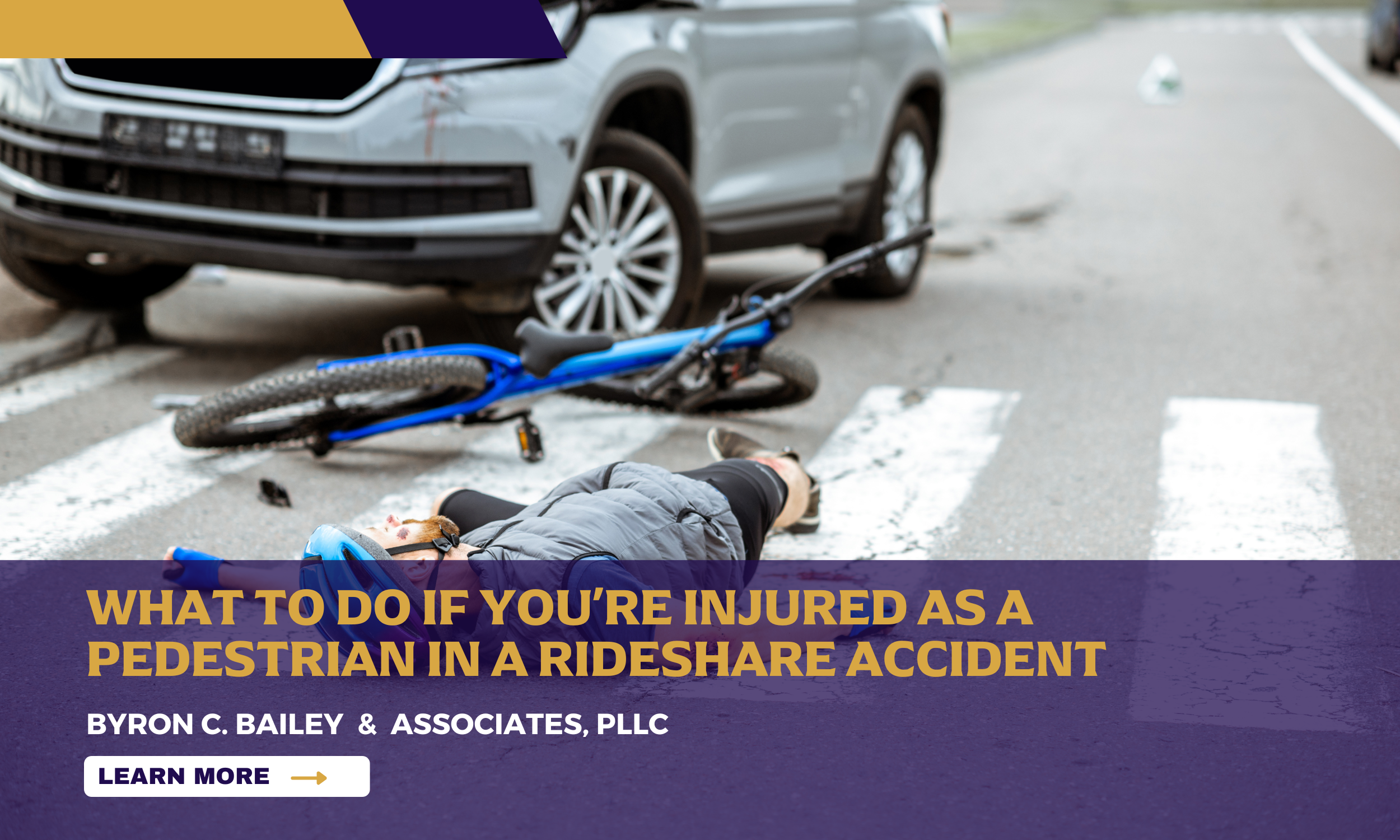
What to Do if You’re Injured as a Pedestrian in a Rideshare Accident
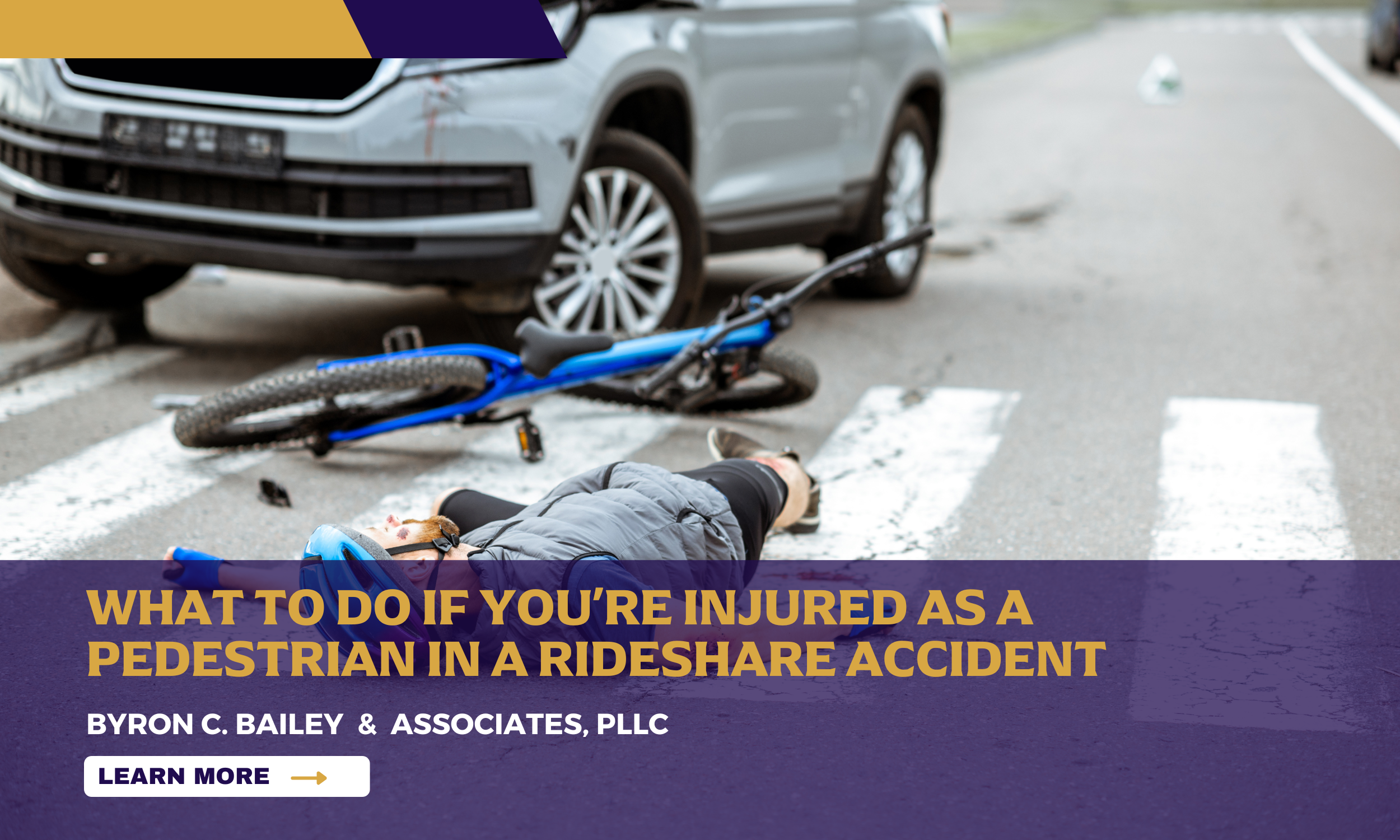
Rideshare services like Uber and Lyft have become an essential part of modern transportation. Whether you need a quick trip to work, a safe ride home after a night out, or a convenient way to get to the airport, rideshare services provide an easy and accessible solution. With thousands of rideshare vehicles on the road in cities like Dallas, Texas, it’s no surprise that accidents involving these vehicles are becoming more common.
Unfortunately, pedestrian accidents involving rideshare vehicles have also increased. Whether due to distracted driving, speeding, or failing to yield to pedestrians, rideshare drivers are not immune to mistakes. If you are struck and injured by a rideshare vehicle as a pedestrian, it can be overwhelming to know what to do next. Who is responsible? How do you seek medical treatment? What steps should you take to protect your rights? This guide will walk you through the essential actions you should take to ensure your safety, seek medical attention, and pursue compensation if you are injured in a rideshare accident.
Immediate Steps to Take at the Scene
The moments immediately following a pedestrian accident can be confusing and stressful. However, taking the right steps at the scene can make a significant difference in your recovery and your ability to pursue compensation.
Ensure Safety First – Your first priority should be your safety. If you are conscious and able to move, try to get to a safe location away from traffic. However, if you have severe injuries, it is best to stay still and wait for emergency medical responders. Moving too much after an injury could make it worse.
Call 911 – Always call 911 after an accident, even if you believe your injuries are minor. Law enforcement will create an official accident report, which will be valuable evidence for your case. Additionally, emergency responders can assess your injuries and provide immediate medical attention.
Seek Medical Attention – Some injuries, such as internal bleeding or concussions, may not be immediately apparent. Seeking medical attention as soon as possible ensures that you receive proper treatment and establishes medical documentation of your injuries, which is crucial for any legal claims.
Gather Evidence – If you are physically able, take pictures and videos of the accident scene, including the rideshare vehicle, license plate, driver, your injuries, and any nearby traffic signals or crosswalks. This evidence can be essential when determining liability.
Get Witness Information – If there were any bystanders who saw the accident, ask for their contact information. Witness statements can help support your case if there is any dispute about how the accident occurred.
Identifying Liability in a Rideshare Accident
Determining liability in a rideshare accident can be complicated. Unlike traditional car accidents, multiple parties could be responsible for your injuries.
Who Is Responsible? – Liability depends on several factors, including whether the rideshare driver was logged into the app at the time of the accident. Possible liable parties include:
The rideshare driver (if they were negligent or distracted)
Another motorist (if they caused the accident)
The rideshare company (if the driver was actively working and covered under their insurance)
The city or municipality (if poor road conditions contributed to the accident)
Understanding Rideshare Insurance Coverage – Rideshare companies provide different levels of insurance coverage depending on whether the driver was actively working. If the driver was offline, their personal auto insurance applies. If they were waiting for a ride request, Uber and Lyft provide limited liability coverage. If they had an active passenger or were en route to a pickup, the rideshare company’s full insurance coverage applies.
Filing a Claim for Compensation
If you were injured in a pedestrian accident involving a rideshare vehicle, you have the right to seek compensation for medical bills, lost wages, and pain and suffering.
Document Medical Treatment – Keep detailed records of all medical visits, treatments, prescriptions, and rehabilitation. This documentation is crucial when negotiating with insurance companies.
Notify Your Insurance Company – Even though you were a pedestrian, your personal auto or health insurance may play a role in covering your medical expenses. Notify your insurer about the accident to understand your coverage.
Determine Which Insurance Applies – Depending on the circumstances, you may need to file a claim with the rideshare company’s insurance, the driver’s personal insurance, or your own insurance. A personal injury lawyer can help determine the best course of action.
Filing a Claim Against the Responsible Party – If the rideshare company or driver’s insurance refuses to offer fair compensation, you may need to file a lawsuit to seek damages.
Legal Options: When to Hire an Attorney
While some accident claims can be settled without legal help, others require the expertise of a personal injury attorney.
When the Insurance Company Denies or Undervalues Your Claim – Insurance companies often try to minimize payouts. If your claim is denied or you receive a low settlement offer, an attorney can negotiate for fair compensation.
If Liability Is Disputed – If the rideshare driver and other involved parties dispute who is at fault, an attorney can help gather evidence to prove liability.
If You Suffer Severe or Long-Term Injuries – If your injuries require ongoing medical treatment or impact your ability to work, you may be entitled to significant compensation. A lawyer can help calculate the full value of your damages.
How a Personal Injury Lawyer Can Help – A personal injury lawyer will handle the legal complexities of your case, negotiate with insurance companies, and ensure you receive the compensation you deserve.
Preventative Measures for Pedestrians
While you can’t control how rideshare drivers behave, you can take precautions to reduce your risk of being involved in an accident.
Staying Alert Near Rideshare Pickup/Drop-off Areas – Rideshare drivers often stop suddenly to pick up or drop off passengers. Be extra cautious in these areas.
Using Designated Crosswalks and Sidewalks – Always use crosswalks and follow pedestrian signals. Avoid crossing streets in high-traffic areas where rideshare drivers may not expect pedestrians.
Understanding Rideshare Driver Behavior – Rideshare drivers may be distracted by GPS navigation, rushing to complete rides, or searching for passengers. Stay aware of their movements and avoid stepping in front of moving vehicles.
Conclusion
Being injured as a pedestrian in a rideshare accident can be a traumatic and overwhelming experience. However, taking the right steps immediately after the accident can protect your health and legal rights. Always seek medical attention, gather evidence, and determine which insurance coverage applies. If you experience challenges with your claim, consider consulting a personal injury attorney who can guide you through the process and fight for the compensation you deserve. By staying informed and aware, pedestrians can better protect themselves and navigate the complexities of rideshare-related accidents.
The Importance of Witness Testimonies in Uber and Lyft Accident Lawsuits

Rideshare services like Uber and Lyft have transformed the way people travel in cities across the country, including Dallas. These services provide convenience, affordability, and accessibility for those who prefer not to drive themselves. However, as the number of Uber and Lyft drivers on the road has increased, so has the number of accidents involving these rideshare vehicles.
Determining liability in an Uber or Lyft accident can be complex due to multiple parties involved, such as the rideshare driver, other motorists, passengers, pedestrians, and even the rideshare company itself. Unlike traditional car accidents, where the fault may be more straightforward, rideshare accidents require a thorough investigation, making strong evidence crucial to any claim. Witness testimonies often play a critical role in establishing what happened and who should be held accountable.
Understanding the Role of Witness Testimonies
A witness testimony is a statement given by someone who saw or heard an accident take place. In legal cases, witness statements are used to provide an objective account of what happened. These testimonies help clarify details of an accident that might otherwise be disputed between the involved parties.
Witness statements are especially useful in Uber and Lyft accidents because they can provide insight into aspects of the incident that may not be captured by traffic cameras or police reports. A witness might describe how the rideshare driver was speeding, distracted, or driving recklessly before the crash occurred.
There are two main types of witnesses in an accident case: eyewitnesses and expert witnesses. Eyewitnesses are individuals who were present at the scene and directly observed the accident. Expert witnesses, such as accident reconstruction specialists or medical professionals, provide technical analyses based on evidence. Both types of witnesses can be invaluable in proving fault and securing compensation for victims.
How Witness Testimonies Strengthen an Uber or Lyft Accident Case
One of the main advantages of witness testimonies is that they provide an unbiased third-party account of what happened. Unlike the drivers involved in the crash, witnesses typically have no financial or legal stake in the outcome of the case. This impartiality makes their statements more credible in the eyes of insurance companies and courts.
Witness statements can also confirm or refute the behavior of the rideshare driver before, during, and after the accident. For example, a witness might recall seeing the driver texting while driving or running a red light. This type of testimony can help prove negligence, which is essential for holding a driver or the rideshare company accountable.
Additionally, witnesses can help verify external factors that contributed to the accident, such as road conditions, traffic signals, weather conditions, and the actions of other drivers. If a rideshare driver claims they crashed due to poor visibility or another driver’s reckless behavior, an eyewitness account can confirm whether those claims are valid.
Challenges of Using Witness Testimonies
While witness testimonies are valuable, they are not always easy to obtain or use effectively. One major challenge is the reliability of witness memory. Over time, memories can fade, and details may become distorted. This is why it’s essential to gather witness statements as soon as possible after an accident.
Another challenge is the potential for bias or conflicting interests. Some witnesses may have personal relationships with one of the involved parties, which can affect the accuracy of their statements. Additionally, if multiple witnesses provide differing accounts of what happened, it can complicate the case rather than clarify it.
Locating witnesses after an accident can also be difficult. In busy urban areas like Dallas, many people may witness an accident but leave the scene before giving their statements. Without contact information, it becomes nearly impossible to track them down later.
Steps to Secure and Preserve Witness Testimonies
Since witness statements can make a significant difference in an Uber or Lyft accident lawsuit, it’s important to take proactive steps to secure them.
Collect Witness Contact Information at the Scene: If you are involved in a rideshare accident, ask any bystanders if they saw what happened and get their names and phone numbers. Even if they cannot provide a statement immediately, having their contact information will allow an attorney to reach out later.
Record Statements as Soon as Possible: Memories fade over time, so it’s important to document witness statements while the details are still fresh. If possible, record a video or write down their account of what happened.
Follow Legal Procedures for Formal Witness Depositions: In some cases, attorneys may need to take official depositions from witnesses. This involves recording a sworn statement that can be used in court. A legal professional can guide witnesses through the process to ensure their statements hold up in a legal setting.
The Impact of Witness Testimonies on Rideshare Lawsuits
Witness testimonies can significantly impact the outcome of an Uber or Lyft accident lawsuit. When multiple people provide consistent accounts that support the victim’s claim, it strengthens the case and increases the likelihood of a successful settlement or court verdict.
Negligence claims against rideshare drivers or companies often rely on witness testimonies to establish fault. If a driver was speeding, driving aggressively, or failing to obey traffic signals, a witness statement can serve as key evidence. This is particularly important in cases where the rideshare company tries to avoid liability by shifting blame to the driver or another party.
Insurance claims and compensation demands also benefit from strong witness statements. Insurance companies often look for ways to reduce payouts, but a credible eyewitness account can make it harder for them to dispute a claim. A well-documented witness statement can help victims secure compensation for medical expenses, lost wages, and pain and suffering.
However, conflicting witness testimonies can also complicate a case. If two witnesses describe the accident differently, attorneys may need to present additional evidence, such as surveillance footage or expert analysis, to support the most accurate version of events.
Conclusion
Witness testimonies play a crucial role in Uber and Lyft accident lawsuits. They provide objective accounts that can help determine fault, confirm driver behavior, and support legal claims. Because liability in rideshare accidents can be complex, securing strong witness statements is essential for building a solid case.
If you are involved in an Uber or Lyft accident, it is important to act quickly in gathering witness information and securing their statements. A skilled attorney can help navigate the legal process, ensuring that witness testimonies are properly documented and used effectively in your claim.
Ultimately, having credible witnesses on your side can make the difference between a successful claim and a disputed case. Whether you are a driver, passenger, or pedestrian involved in a rideshare accident, don’t underestimate the power of witness testimonies in securing the justice and compensation you deserve.

How to Maximize Compensation for Pain and Suffering After a Car Wreck

Car accidents can be life-altering, impacting both your physical and emotional well-being. Beyond the immediate injuries, you may endure long-term pain, anxiety, depression, and a diminished quality of life. These struggles often fall under the category of “pain and suffering” when it comes to legal claims. Unfortunately, many people in Texas, including Dallas residents, aren’t fully aware of how to claim fair compensation for these damages.
This blog is here to help. We’ll break down what you need to know about pain and suffering compensation, what it includes, and how to ensure you receive the maximum amount you’re entitled to. Whether you’re negotiating with an insurance company or preparing for a trial, these steps can make a significant difference.
1. Understand Pain and Suffering in Legal Terms
Pain and suffering refers to the physical and emotional distress caused by a car accident. This includes both tangible pain, such as broken bones or chronic back pain, and less tangible suffering, such as the anxiety you feel every time you get back behind the wheel. Emotional distress, mental anguish, and even the loss of enjoyment in daily activities all fall under this category.
When pursuing compensation, it’s essential to understand the difference between economic damages (like medical bills and lost wages) and non-economic damages (pain and suffering). Pain and suffering are considered non-economic damages because they don’t have a specific dollar amount attached. Instead, the value is often determined using a multiplier of your economic damages or a per diem (daily rate) method. Understanding how this calculation works can help you set realistic expectations for your claim.
2. Document Everything
Documentation is key to building a strong claim for pain and suffering. Start with your medical records. Ensure you seek treatment immediately after the accident and continue with follow-ups. These records not only show the severity of your injuries but also demonstrate your commitment to recovery.
In addition to medical documentation, keep a personal journal. Write about your daily experiences, including your pain levels, emotional struggles, and any limitations on your ability to work or enjoy life. For example, if you can no longer participate in activities you once loved, like hiking or playing with your kids, record this impact.
Photos and videos are also critical. Take pictures of your injuries immediately after the accident and as they heal. This visual evidence can be compelling, especially if your case goes to court. Similarly, documenting the damage to your vehicle and the accident scene can strengthen your overall claim.
3. Seek Immediate Medical Attention
After a car accident, seeking medical attention should be your top priority, even if you think your injuries are minor. Some conditions, such as whiplash or internal injuries, may not show symptoms immediately but can worsen over time. A delay in treatment can give the insurance company a reason to argue that your injuries aren’t serious or weren’t caused by the accident.
Following through with your doctor’s recommendations is equally important. Attend all follow-up appointments, complete physical therapy, and take prescribed medications. This not only helps your recovery but also creates a clear medical trail that supports your claim for compensation. Inconsistent treatment or missed appointments can weaken your case significantly.
4. Hire an Experienced Personal Injury Attorney
Navigating a pain and suffering claim can be complicated, especially when dealing with insurance adjusters who aim to minimize payouts. An experienced personal injury attorney can advocate for you and handle the negotiations, allowing you to focus on healing.
When choosing a lawyer, look for someone with a proven track record in personal injury cases. They should understand how to calculate non-economic damages, whether through a multiplier method (multiplying economic damages by a number between 1.5 and 5) or a per diem rate. A skilled attorney will ensure that your pain and suffering are valued appropriately and fight for the compensation you deserve.
5. Build a Strong Case
A successful pain and suffering claim relies on the strength of your evidence. In addition to medical records and photographs, obtain a police report that details the accident and assigns fault. Gather witness statements from anyone who saw the accident or can testify to the impact on your life.
If your injuries have long-term consequences, consider using expert testimonies. For example, a medical expert can explain how your injuries will affect your future health, while a psychological expert can discuss the emotional toll of the accident. Even a vocational expert can provide insight into how your injuries have affected your ability to work. Together, these elements create a compelling narrative about your pain and suffering.
6. Be Wary of Insurance Company Tactics
Insurance companies often use tactics to minimize your claim. They may downplay the severity of your injuries, offer a quick lowball settlement, or attempt to use your own words against you. Be cautious about speaking directly to adjusters and never agree to a recorded statement without consulting your attorney first.
If you receive an offer, don’t rush to accept it. Your attorney can review the offer and negotiate on your behalf to ensure it reflects the true extent of your pain and suffering. Remember, insurance companies are in the business of saving money—not ensuring you’re fairly compensated.
7. Know the Value of Your Claim
Understanding the value of your pain and suffering claim is critical for successful negotiation. Several factors influence this value, including the severity of your injuries, the duration of your recovery, and the impact on your daily life. For example, if you’ve suffered a permanent disability or chronic pain, your claim will likely be worth more than a case involving minor injuries.
Courts and insurance companies often use formulas to calculate pain and suffering, but these numbers don’t always capture the human impact. Your attorney can help present a compelling case that highlights how the accident has changed your life, ensuring you’re compensated fairly.
8. Avoid Common Pitfalls
There are several mistakes that can jeopardize your claim for pain and suffering. One of the biggest is posting on social media. Pictures or statements that downplay your injuries can be used against you, even if they’re taken out of context.
Additionally, make sure you’re aware of deadlines for filing claims. In Texas, the statute of limitations for personal injury cases is typically two years from the date of the accident. Missing this deadline could forfeit your right to compensation. Finally, avoid settling too early. It can take time to fully understand the extent of your injuries and their impact on your life.
9. Understand When to Go to Court
Sometimes, settlement negotiations fail, and you may need to take your case to court. While this can be a lengthy process, it may be the best way to secure fair compensation. A jury often takes a more holistic view of pain and suffering than an insurance adjuster, potentially leading to a higher payout.
That said, litigation has its risks, including the possibility of losing your case. Work closely with your attorney to weigh the pros and cons and decide whether going to court is the right choice for you.
10. Stay Patient and Persistent
Pursuing compensation for pain and suffering can be a slow process, but patience is key. Focus on your recovery and trust your attorney to handle the legal complexities. It’s important to have realistic expectations about the timeline and potential outcome.
Settlements and court cases take time because they require thorough documentation, investigation, and negotiation. However, by staying persistent and following these steps, you can increase your chances of receiving the compensation you deserve.
Maximize Your Compensation Now!
Maximizing compensation for pain and suffering after a car accident is not just about understanding the process—it’s about taking the right steps to protect your rights and ensure you’re fairly treated. From documenting your injuries to hiring an experienced attorney, every action you take can make a significant difference in your case’s outcome.
At Byron C. Bailey & Associates, PLLC, we are committed to helping individuals like you navigate the complexities of personal injury claims. With years of experience in car accident cases, our team understands the challenges you’re facing and knows how to advocate for the compensation you deserve.
If you or a loved one has been injured in a car accident, don’t wait. Contact us today for a free consultation to discuss your case and explore your options. Follow us on social media or subscribe to our newsletter for valuable legal tips, updates, and insights into personal injury law. Let Byron C. Bailey & Associates, PLLC help you take the next step toward recovery and justice.

How to Deal with Insurance Adjusters After a Car Wreck

Car accidents are stressful, and the aftermath can be just as overwhelming, especially when dealing with insurance adjusters. These professionals play a key role in assessing claims, determining liability, and deciding on compensation. However, it’s important to remember that their goal is to protect the insurance company’s interests, which may not always align with your own. Knowing how to interact with them effectively can make a significant difference in the outcome of your claim. In this blog, we’ll cover what insurance adjusters do, how to prepare for conversations with them, and strategies to protect your rights during the claims process.
Understand the Role of the Insurance Adjuster
What Is an Insurance Adjuster?
An insurance adjuster is a representative of the insurance company responsible for evaluating your claim. Their job is to investigate the accident, assess the damages, and determine how much compensation you’re entitled to under your policy. They may review police reports, speak to witnesses, and inspect your vehicle or other damaged property. While adjusters are trained professionals, they’re not on your side—they work for the insurance company.
Why Their Interests Differ from Yours
It’s important to recognize that insurance adjusters aim to minimize payouts for the insurance company. While they may seem friendly and helpful, their ultimate goal is to reduce costs. This means they may offer lower settlements or even try to deny your claim. Knowing this can help you approach conversations with caution and keep your financial interests at the forefront.
Prepare Before Speaking to the Adjuster
Before engaging with an insurance adjuster, preparation is crucial. Being organized and informed can help you maintain control of the process.
Gather All Relevant Documentation
Start by collecting everything you need to support your claim. This includes the police report, medical bills, car repair estimates, and any photos or videos from the accident scene. The more evidence you have, the stronger your case will be. Make sure to keep these documents in a safe and accessible place.
Know Your Policy
Review your insurance policy thoroughly to understand your coverage. Pay attention to details like policy limits, deductibles, and what types of damages are covered. This knowledge will help you avoid surprises during the claims process and ensure that you’re asking for the compensation you’re entitled to receive.
Avoid Emotional Responses
Accidents can be emotionally charged, but it’s essential to remain calm and professional when speaking to the adjuster. Emotional reactions may cloud your judgment or lead you to say things that could hurt your claim. Practice keeping your tone neutral and sticking to the facts.
Dos and Don’ts When Dealing with Insurance Adjusters
Dos
Handling an insurance adjuster requires a mix of diplomacy and assertiveness. Here are some best practices:
Take Notes of Every Interaction: Document each conversation, including the date, time, and what was discussed. This will help you track the progress of your claim and serve as evidence if there are discrepancies later.
Be Honest but Concise: Provide accurate information about the accident but avoid going into unnecessary detail. Stick to the facts and avoid speculating about fault or damages.
Request Everything in Writing: Always ask the adjuster to confirm important details, such as settlement offers or coverage explanations, in writing. This creates a clear paper trail.
Don’ts
Equally important is knowing what to avoid:
Never Admit Fault or Liability: Even if you believe you may be partially responsible for the accident, avoid admitting fault. This could be used against you during the claims process.
Avoid Providing Recorded Statements Without Legal Advice: Recorded statements can be used to challenge your claim. Consult an attorney before agreeing to one.
Don’t Accept the First Settlement Offer Immediately: Initial offers are often lower than what you’re entitled to. Take your time to review and negotiate if needed.
Tips for Negotiating with Insurance Adjusters
Negotiating with an insurance adjuster can feel intimidating, but it’s a necessary step in securing fair compensation.
Present a Clear and Detailed Account of Damages
Provide a comprehensive list of all damages, supported by evidence. This includes medical expenses, property damage, lost wages, and any other costs related to the accident. The more detailed and well-documented your claim, the harder it will be for the adjuster to dispute it.
Base Your Compensation Request on Evidence
When calculating your compensation, rely on expert opinions and actual costs rather than estimates. For example, use repair shop invoices or medical bills as proof of your expenses. This makes your claim more credible and justifiable.
Be Firm but Polite
Insurance adjusters are trained negotiators, so expect some pushback. Stand your ground when rejecting lowball offers, but remain polite and professional. A respectful tone can go a long way in maintaining productive communication.
Consider Long-Term Implications
Think about the long-term impact of the accident, especially if you’ve suffered injuries. Future medical treatments or complications may arise, so make sure your settlement accounts for these possibilities.
When to Involve a Lawyer
In some cases, it’s best to let a legal expert handle the claims process.
Signs You Need Legal Representation
You should consider hiring an attorney if:
The adjuster disputes liability or denies your claim.
Your case involves severe injuries, complex circumstances, or significant financial losses.
You feel overwhelmed or unsure about how to proceed.
Benefits of Having an Attorney
An experienced attorney can level the playing field by negotiating on your behalf and ensuring you receive the compensation you deserve. They can also handle the legal complexities of your case, giving you peace of mind while you focus on recovery.
Protect Your Rights During the Claims Process
Navigating the claims process requires vigilance and a proactive approach.
Avoid Signing Documents You Don’t Fully Understand
Never sign any document from the insurance company without reviewing it thoroughly. If you’re unsure about its implications, consult an attorney before proceeding.
Be Aware of Statutes of Limitations
In Texas, there’s a specific time limit for filing personal injury claims, typically two years from the date of the accident. Missing this deadline could result in losing your right to compensation, so act promptly.
Maintain Consistent Communication
Keep the lines of communication open with your insurance adjuster, but be mindful of what you say. Consistency is key, as discrepancies in your statements could harm your credibility.
Conclusion
Dealing with insurance adjusters after a car wreck can be challenging, but with the right approach, you can protect your rights and secure fair compensation. By understanding their role, preparing thoroughly, and following the tips outlined above, you’ll be better equipped to navigate the claims process. If you’re ever unsure or feel the process is becoming too complicated, don’t hesitate to seek professional legal advice. Your focus should be on recovering from the accident, and having the right support can make all the difference.

How to Protect Yourself Legally After a Car Wreck Involving a Company Vehicle

Car accidents can be a stressful experience for anyone, but when a company vehicle is involved, the situation becomes even more complex. These types of accidents often involve multiple layers of liability, including the driver, the employer, and potentially other parties. Whether it’s a delivery truck, rideshare vehicle, or another type of business-related automobile, it’s essential to understand your legal rights and responsibilities in the aftermath.
This blog will guide you through the unique aspects of company vehicle accidents and provide clear steps to protect yourself legally. Knowing how to navigate these situations can make all the difference in securing the compensation you’re entitled to and avoiding unnecessary complications.
1. Immediate Steps to Take After the Accident
Ensure Safety and Call Emergency Services
Your first priority after any accident should be safety. Check yourself and others for injuries, and if it’s safe to do so, move to a secure location away from traffic. In severe cases, avoid moving injured individuals unless there’s an immediate danger. Call 911 to report the accident and request medical assistance if needed.
Once the scene is secure, take steps to prevent further damage, such as turning on hazard lights or placing warning triangles. The quicker you act to secure the area, the lower the risk of additional accidents.
Gather Evidence
Evidence is key in any legal matter, and car accidents are no exception. Use your phone to take photos of the scene, including vehicle damage, skid marks, road signs, and any visible injuries. Don’t forget to document weather conditions and the surrounding environment.
Speak to witnesses and collect their contact information. Their accounts may prove invaluable if liability is disputed later. Make sure to also note the time and location of the accident for your records.
Exchange Information
Exchange information with the other driver, including their name, contact details, and insurance information. If the vehicle belongs to a company, make a note of the company’s name and whether the driver was performing work duties at the time. This detail could impact who is held liable for damages.
2. Understanding Liability in Company Vehicle Accidents
Employer Responsibility
In many cases, employers can be held liable for accidents caused by their employees under a legal concept known as "vicarious liability." This means the employer is responsible for the actions of their employee if the accident occurred during work-related duties. For instance, a delivery driver making scheduled deliveries on behalf of their employer would likely fall under this rule.
Exceptions to Employer Liability
However, there are exceptions to this rule. If the employee was running personal errands, engaging in reckless behavior, or using the vehicle outside of authorized work hours, the employer might not be held responsible. Similarly, independent contractors are often treated differently from employees when determining liability. Understanding these nuances can help you identify the responsible party more accurately.
3. Notify Relevant Parties
Contact the Police
Filing a police report is a crucial step after any accident. The official report will document the facts of the accident, which can be critical for insurance claims and potential legal proceedings. Make sure to obtain a copy of the report once it’s available.
Inform Your Insurance Provider
Promptly notify your insurance company about the accident. Provide them with accurate information and any evidence you’ve gathered. This will help them begin processing your claim and communicating with the other party’s insurer.
Communicate with the Other Party's Employer
If the vehicle involved belongs to a company, you’ll need to notify the employer. Reach out to their HR or legal department to discuss claims and confirm whether the driver was on duty at the time of the accident.
4. Seek Legal Advice
When to Hire an Attorney
Certain situations warrant hiring an attorney, especially when liability is unclear, injuries are severe, or the accident involves significant financial damages. An attorney experienced in personal injury and commercial vehicle cases can guide you through the legal process and ensure your rights are protected.
Choosing the Right Lawyer
Look for a lawyer with a proven track record in handling cases involving company vehicles. They should understand the nuances of employer liability, insurance coverage disputes, and how to maximize compensation for your injuries and losses.
5. Common Legal Challenges
Disputed Liability
One of the most common challenges in these cases is determining who is at fault. Companies may attempt to shift blame onto the driver or even you. Having strong evidence and legal representation can help counter these tactics.
Insurance Complications
Insurance policies for company vehicles can be complex. The company’s policy, the driver’s personal insurance, and your own policy might all come into play. Navigating these overlapping coverages can be confusing without professional guidance.
Comparative Fault
In some cases, you may be assigned partial blame for the accident. Texas follows a comparative fault rule, which means your compensation could be reduced based on your percentage of fault. Understanding this rule is crucial for managing expectations.
6. Protecting Your Legal Rights
Avoid Admitting Fault
When speaking to police, insurance adjusters, or the other party, stick to the facts. Avoid making statements that could be interpreted as admitting fault, such as apologizing or speculating about the cause of the accident.
Document Everything
Keep a detailed record of all accident-related documentation. This includes medical bills, repair estimates, correspondence with insurance companies, and any receipts for out-of-pocket expenses.
Be Cautious with Insurance Adjusters
Insurance adjusters may pressure you to accept a quick settlement. Consult an attorney before agreeing to any offers, especially if they seem low compared to your losses.
7. Filing a Claim or Lawsuit
Determining the Responsible Party
The first step in filing a claim is identifying who is responsible. This could be the employer, the driver, or even a third party. Your attorney can help determine the appropriate party to pursue for damages.
Filing Deadlines
Texas law imposes a statute of limitations on personal injury claims, typically two years from the date of the accident. Acting promptly ensures you don’t miss your opportunity to file a lawsuit.
Compensation You May Be Entitled To
Depending on the circumstances, you may be eligible to receive compensation for medical expenses, lost wages, pain and suffering, property damage, and more. An attorney can help evaluate your claim to ensure you’re adequately compensated.
8. Preventive Measures for the Future
Understanding Your Auto Insurance Policy
Review your insurance policy to understand what’s covered in accidents involving company vehicles. Consider adding uninsured/underinsured motorist coverage for additional protection.
Safety Tips to Reduce Accident Risk
Practice defensive driving by staying alert, obeying traffic laws, and keeping a safe distance from other vehicles. Reducing distractions like phone use can also help prevent accidents.
Conclusion
Car accidents involving company vehicles can be legally and emotionally overwhelming, but understanding your rights and taking the proper steps can make a significant difference. Acting quickly, gathering evidence, and seeking professional legal advice are essential to protecting yourself and securing the compensation you deserve.
If you’ve been involved in an accident with a company vehicle, consult an experienced attorney today to safeguard your rights and navigate the complexities of your case.
How Comparative Negligence Affects Car Wreck Claims in the US

Car accidents are an unfortunate reality of modern life, with millions occurring each year across the United States. When an accident happens, determining who was at fault is a critical step in the claims process. Fault not only dictates liability but also influences how much compensation a party may receive for their injuries and damages.
Comparative negligence is a legal concept that plays a significant role in determining compensation in car accident claims. It evaluates the level of fault shared by each party involved in an accident and adjusts the damages accordingly. Unlike a system where one party is entirely to blame, comparative negligence recognizes that multiple parties can share responsibility.
Understanding comparative negligence is essential for anyone navigating the aftermath of a car accident. It ensures you can protect your rights and seek a fair settlement, especially in states like Texas, where modified comparative negligence laws are in place.
What Is Comparative Negligence?
Comparative negligence is a legal principle used to allocate fault among parties involved in an accident. Instead of placing full blame on one individual, it acknowledges that responsibility can be shared. For instance, if two drivers are involved in a collision, one may be found 70% at fault while the other is 30% at fault.
This system differs from contributory negligence, which is much harsher. Under contributory negligence, if a party is even 1% at fault, they cannot recover damages. Comparative negligence is more forgiving, allowing partial recovery based on the degree of fault. It also contrasts with no-fault systems, where fault is irrelevant, and each party claims damages from their insurance provider regardless of who caused the accident.
The principle of shared responsibility promotes fairness by ensuring that fault is distributed based on the actions of each party. This means that even if you share some responsibility for an accident, you may still be entitled to compensation.
Types of Comparative Negligence Systems in the US
Pure Comparative Negligence
Under pure comparative negligence, you can recover damages no matter how much you were at fault, even if your share of the blame is 99%. However, the amount of compensation is reduced by your percentage of fault. For example, if you are awarded $10,000 but found 60% at fault, you would receive only $4,000. States like California and New York follow this system, making it possible for highly at-fault parties to still receive some compensation.
Modified Comparative Negligence (50% Rule)
In states with the 50% rule, you can recover damages only if your share of fault does not exceed 50%. If you are 50% at fault or less, you can still recover a reduced amount based on your fault percentage. However, being 51% or more at fault bars you from receiving compensation. States like Arkansas and Colorado use this rule.
Modified Comparative Negligence (51% Rule)
The 51% rule is slightly stricter, barring recovery if you are 51% or more at fault. You can only recover damages if your fault is 50% or less. This system is followed in Texas and many other states. For example, if you’re awarded $20,000 but found 51% at fault, you would not receive any compensation. However, if your fault is 50%, you would receive $10,000.
How Comparative Negligence Impacts Car Accident Claims
Determination of Fault and Damage Reduction
Comparative negligence directly affects how much compensation you can receive. If you are partially at fault, the amount of your damages is reduced by your percentage of fault. For instance, if you’re involved in a car accident where the other driver ran a red light, but you were speeding, a court might determine you’re 20% at fault. If your total damages are $50,000, you would receive $40,000 after the 20% reduction.
Insurance Adjusters’ Role
Insurance companies play a significant role in assigning fault in comparative negligence cases. Adjusters review evidence such as accident reports, photos, and witness statements to determine the degree of fault. Unfortunately, this process is often contentious, as insurers may assign higher fault percentages to reduce their payouts. Negotiating with adjusters requires a clear understanding of the evidence and the ability to challenge any discrepancies.
Court Involvement in Disputed Claims
When fault is heavily disputed, cases may end up in court. Judges or juries consider evidence like traffic camera footage, skid marks, and expert testimony to determine fault percentages. Attorneys for both parties work to minimize their client’s share of blame to maximize compensation. Strong legal representation is often crucial in these scenarios.
Common Challenges in Comparative Negligence Cases
One of the biggest challenges is proving fault. Collecting sufficient evidence, such as photos, witness statements, and police reports, is essential. Without compelling evidence, insurers may unfairly assign you a higher percentage of fault.
Misrepresentation of facts by insurance companies is another common issue. Insurers may downplay the other party’s fault or exaggerate your role in the accident to reduce their liability. Working with a lawyer can help counter these tactics.
Cases involving multiple parties present additional complexities. For instance, in a multi-vehicle pileup, determining fault percentages for each party can be challenging and time-consuming. Such cases often require detailed investigation and expert analysis.
Tips for Navigating Comparative Negligence Claims
Navigating a comparative negligence claim successfully requires preparation and persistence. Start by collecting as much evidence as possible at the accident scene. Photos of vehicle damage, road conditions, and any visible injuries can be invaluable. Additionally, obtain contact information from witnesses and request a copy of the police report.
Hiring an experienced personal injury lawyer is one of the most effective ways to protect your interests. A lawyer can help you understand your state’s negligence laws, gather evidence, and negotiate with insurance companies.
Understanding how Texas applies the 51% modified comparative negligence rule is crucial. Knowing that you lose the right to compensation if you are more than 50% at fault can motivate you to build a strong case and counter any attempts to shift undue blame onto you.
Finally, negotiation is key. Avoid accepting the first offer from an insurance company, as it’s often lower than what you deserve. Be prepared to present evidence and challenge unfair fault assessments.
Frequently Asked Questions (FAQs)
Can I recover damages if I’m mostly at fault?
In Texas, you cannot recover damages if you are 51% or more at fault. However, if you are 50% or less at fault, you can recover a reduced amount based on your fault percentage.How does comparative negligence affect uninsured motorist claims?
Comparative negligence applies to uninsured motorist claims just as it does to other claims. Your compensation from your insurance company will be reduced by your percentage of fault.What happens if fault percentages are disputed?
If fault percentages are disputed, the case may go to court, where a judge or jury will review evidence and decide. Working with a lawyer can help ensure that fault is assigned fairly.Are punitive damages affected by comparative negligence?
Punitive damages are rare in car accident cases and are typically awarded to punish egregious behavior. Your percentage of fault may influence whether you are eligible for punitive damages, but this varies by case.
Conclusion
Comparative negligence is a critical factor in car accident claims, particularly in Texas, where the 51% modified rule applies. Understanding how fault is determined and how it affects your compensation can make a significant difference in your case’s outcome.
If you’ve been involved in a car accident, seeking legal advice is one of the best ways to navigate the complexities of comparative negligence. With the right approach and preparation, you can protect your rights and work toward a fair resolution. Remember, even if you share some fault, you may still be entitled to compensation, so don’t hesitate to take action.

The Statute of Limitations for Filing a Car Wreck Lawsuit in Your State

Car accidents can be devastating, both physically and financially. If you’ve been in a car wreck, you might find yourself dealing with mounting medical bills, lost wages, and the emotional toll of the incident. In many cases, seeking compensation through a legal claim can help you recover these losses. However, time is of the essence.
The law doesn’t allow victims to wait indefinitely before filing a lawsuit. This is where the statute of limitations comes into play. The statute of limitations is a legal deadline that sets the maximum amount of time you have to initiate a lawsuit after an accident. If you miss this deadline, you could lose your right to seek compensation forever. Understanding this concept is vital for anyone who has experienced a car wreck.
Acting promptly is critical after an accident. Delaying action not only risks missing the statute of limitations but can also make it harder to gather evidence or locate witnesses. The sooner you take steps to protect your legal rights, the better your chances of building a strong case.
What Is the Statute of Limitations?
The statute of limitations is essentially a time limit imposed by law, dictating how long you have to file a lawsuit after an event like a car accident. In the context of personal injury cases, it’s the window of time during which you can hold the at-fault party accountable in court. Once this window closes, your case is likely to be dismissed, regardless of its merit.
The purpose of the statute of limitations is to ensure fairness in the legal process. Over time, evidence can be lost, memories can fade, and it becomes harder to ensure justice is served. By setting a clear deadline, the law encourages prompt action and preserves the integrity of the judicial system.
Each state has its own statutes of limitations, and these vary based on the type of claim. For example, the deadline for filing a personal injury lawsuit may differ from the deadline for a property damage claim. It’s important to know your state’s specific rules to avoid missing any critical deadlines.
Why the Statute of Limitations Is Crucial for Car Wreck Lawsuits
Failing to file a lawsuit within the statute of limitations has serious consequences. If you miss the deadline, you lose your right to take legal action against the at-fault party. This means you can no longer seek compensation for medical bills, lost income, pain and suffering, or other damages caused by the accident.
The statute of limitations also affects settlement negotiations with insurance companies. Insurers know the law, and they’re unlikely to offer a fair settlement if they know you’ve missed the deadline to file a lawsuit. Without the leverage of a potential court case, your bargaining power diminishes significantly.
Taking prompt action not only preserves your legal rights but also allows your attorney to gather fresh evidence, secure witness statements, and build a stronger case. Time is a valuable asset when it comes to proving liability and damages.
Common Time Limits Across the United States
The statute of limitations for car accident claims varies widely across the country. In most states, the deadline for filing a personal injury lawsuit ranges from one to six years. For instance, Texas law typically provides a two-year statute of limitations for personal injury claims stemming from car accidents.
Some states, like Louisiana, have shorter timeframes, requiring lawsuits to be filed within one year of the accident. Others, like Maine, allow up to six years. It’s crucial to be aware of the rules in your state to avoid losing your right to sue.
In addition to these general deadlines, there are often exceptions and special rules. For example, if the accident involved a minor or a government vehicle, the statute of limitations might be extended or shortened. Understanding these nuances can make all the difference in your case.
Factors That Can Impact the Statute of Limitations
While the statute of limitations sets a general deadline, certain factors can alter this timeline. One key concept is “tolling,” which temporarily pauses or extends the statute of limitations in specific situations. For example, if the injured party is a minor or mentally incapacitated, the clock may not start until they reach a certain age or regain capacity.
Delayed discovery of injuries is another factor. Some injuries from car accidents, such as whiplash or internal damage, may not be immediately apparent. In such cases, the statute of limitations might begin when the injury is discovered rather than on the date of the accident.
Accidents involving government entities also have unique rules. In Texas, for instance, you may need to file a notice of claim with the government agency involved before you can file a lawsuit. These claims often have much shorter deadlines, sometimes as little as six months.
Steps to Take After a Car Accident to Stay Within the Statute
To protect your legal rights and stay within the statute of limitations, it’s essential to act quickly after a car accident. Start by documenting everything. Take photos of the accident scene, your injuries, and the damage to your vehicle. Obtain contact information for witnesses and keep copies of all medical records and repair estimates.
Next, consult an attorney as soon as possible. A legal expert can help you navigate the complexities of the statute of limitations and ensure all deadlines are met. They can also communicate with insurance companies on your behalf, giving you the time and space to focus on recovery.
Finally, keep detailed records of all correspondence with insurance companies, medical providers, and anyone else involved in your case. Staying organized will make it easier to provide your attorney with the information they need to build a strong case.
Specific Deadlines in Your State
In Texas, the statute of limitations for personal injury claims arising from car accidents is generally two years. This means you must file your lawsuit within two years of the date of the accident. If your claim involves only property damage, the same two-year deadline typically applies.
However, certain circumstances can alter this timeline. For instance, if the at-fault driver leaves the state or you’re unable to immediately discover your injuries, the statute of limitations may be tolled. Consulting a local attorney is the best way to confirm the deadlines that apply to your specific case.
How an Attorney Can Help
An experienced car accident attorney can be invaluable in ensuring you meet all legal deadlines. They can help you calculate the exact statute of limitations for your case, taking into account any exceptions or tolling rules. This eliminates the risk of accidentally missing the filing deadline.
In addition to handling the legal complexities, an attorney can help preserve crucial evidence, such as traffic camera footage or witness statements, before they’re lost. They can also negotiate with insurance companies on your behalf to secure a fair settlement. If necessary, they’ll be ready to take your case to court to fight for the compensation you deserve.
Having an attorney in your corner gives you peace of mind and increases your chances of achieving a favorable outcome.
Conclusion
Time is of the essence after a car accident. The statute of limitations is in place to encourage prompt action, preserve evidence, and ensure justice is served. Missing this critical deadline can leave you without legal recourse, potentially costing you the compensation you need to recover from your injuries and financial losses.
If you or a loved one has been in a car accident, don’t wait. Reach out to Byron C. Bailey & Associates, PLLC, a dedicated personal injury law firm with a proven track record of helping clients in Texas, including the Dallas area. Our experienced legal team is here to guide you through every step of the process, ensuring your rights are protected and your case is handled with the attention it deserves.
Take the first step toward securing your future by scheduling a free consultation with us today. Call us at [insert phone number] or visit our website at [insert website link] to learn more. Be sure to follow and subscribe to our social media channels for more legal insights, updates, and resources. Byron C. Bailey & Associates, PLLC—your trusted partner in personal injury law.

Rideshare Accidents vs. Traditional Car Accidents: Legal Differences Explained

Car accidents are an unfortunate reality of modern life, with millions occurring each year. In cities like Dallas, Texas, where traffic congestion and urban sprawl are common, the chances of being involved in an accident are even higher. With the rise of rideshare services such as Uber and Lyft, a new layer of complexity has been added to the legal landscape of car accidents. These platforms provide convenient transportation options but also introduce unique legal questions when accidents occur.
Understanding the distinctions between rideshare and traditional car accidents is essential for anyone who drives, uses rideshare services, or shares the road with these vehicles. Whether you’re a driver, passenger, or third-party motorist, knowing your rights and how liability is determined can make a significant difference in securing proper compensation. This blog will explore these differences and provide guidance to help you navigate the legal aspects of rideshare accidents.
The Basics of Car Accident Liability
Liability in car accidents refers to the legal responsibility for damages caused by the crash. In most states, including Texas, determining liability hinges on identifying negligence. Negligence occurs when a driver fails to exercise reasonable care, such as running a red light, speeding, or driving while distracted.
In traditional car accidents, the process of determining liability typically involves assessing the actions of each driver, police reports, and eyewitness accounts. Texas follows a fault-based system, meaning the party responsible for causing the accident is financially liable for damages. Victims can seek compensation through the at-fault driver’s insurance or by filing a lawsuit.
Insurance companies play a pivotal role in this process. They investigate the accident, assess the damage, and determine the amount to be paid out based on the policy terms. While this system can become complex, especially in cases involving multiple parties or disputes over fault, it is generally straightforward compared to the intricacies of rideshare accidents.
Key Differences in Rideshare Accidents
Role of Rideshare Companies
Rideshare companies like Uber and Lyft operate differently from traditional taxi services. Instead of employing drivers, they act as third-party facilitators, connecting independent contractors (the drivers) with passengers through their apps. This classification as independent contractors shields rideshare companies from direct liability for their drivers’ actions in most cases.
If a rideshare driver causes an accident, the legal responsibility often falls on the driver rather than the company. However, this setup does not absolve rideshare companies entirely, as they provide varying levels of insurance coverage depending on the driver’s status during the accident.
Insurance Coverage in Rideshare Accidents
The insurance coverage for rideshare drivers is divided into three tiers:
Offline: When the app is off, the driver’s personal insurance is the only coverage available.
App On, No Passenger: If the app is active but no passenger is onboard, rideshare companies provide limited liability coverage, typically up to $50,000 per person and $100,000 per accident for bodily injury, along with $25,000 for property damage.
Passenger Onboard: Once a passenger is in the car, the rideshare company’s commercial policy offers higher coverage, usually up to $1 million for liability and uninsured/underinsured motorist coverage.
This tiered system creates complexities in determining which policy applies, especially if the driver’s app status is unclear at the time of the accident.
Legal Challenges
One of the primary legal challenges in rideshare accidents is proving the driver’s app status during the crash. If the app was not active, the rideshare company’s coverage does not apply, leaving the victim reliant on the driver’s personal insurance. Additionally, because drivers are independent contractors, victims often face difficulties in holding rideshare companies directly liable for negligence.
Traditional Car Accidents
Compared to rideshare accidents, traditional car accidents usually involve a simpler process for determining liability and seeking compensation. When one driver is clearly at fault, their insurance policy typically covers the damages. Victims can file a claim directly with the at-fault driver’s insurer or, in some cases, file a lawsuit if the insurance coverage is insufficient.
However, even traditional car accidents can become legally complex. For instance, multi-car pileups require apportioning fault among several parties, while uninsured or underinsured drivers can leave victims struggling to recover damages. In Texas, drivers are required to carry minimum liability insurance, but these limits may not always be enough to cover severe injuries or extensive property damage.
Filing a Claim in Rideshare Accidents
Steps to Take After a Rideshare Accident
If you’re involved in a rideshare accident, the steps you take immediately afterward can significantly impact your ability to secure compensation.
Report the Accident: Notify local law enforcement and, if you’re a passenger, report the incident to the rideshare company through its app.
Gather Evidence: Take photos of the scene, vehicle damage, and any visible injuries. Collect witness statements and contact information.
Contact an Attorney: A legal expert can help navigate the complexities of rideshare accidents, ensuring that all relevant parties and policies are considered.
Navigating Insurance Policies
Rideshare accidents often involve multiple insurance policies, including the driver’s personal insurance and the rideshare company’s commercial policy. Understanding how these policies interact is crucial to avoid gaps in coverage. For instance, if the driver’s personal insurance policy excludes rideshare activity, victims may have to rely entirely on the rideshare company’s coverage.
Involving Third-Party Passengers
Passengers in rideshare vehicles face unique legal considerations. If injured, they can file claims against the rideshare company’s insurance, the at-fault driver’s insurance, or both, depending on the circumstances. Ensuring that passengers receive adequate compensation often requires careful legal guidance.
Legal Representation and Rideshare Accidents
Navigating the legal landscape of rideshare accidents can be daunting without professional assistance. An experienced attorney can help clarify liability, negotiate with insurance companies, and, if necessary, file a lawsuit to ensure fair compensation. Rideshare cases often involve nuanced legal arguments, such as determining whether a driver was actively working when the accident occurred or challenging the classification of drivers as independent contractors.
In cities like Dallas, where rideshare services are widely used, having legal representation familiar with local laws and insurance practices is especially beneficial. Attorneys can also advocate for victims in disputes with large companies like Uber or Lyft, which have extensive legal resources.
Conclusion
Rideshare accidents introduce unique legal complexities compared to traditional car accidents. From determining the driver’s app status to navigating overlapping insurance policies, these cases require careful attention to detail and a thorough understanding of the law. By knowing the differences and taking the right steps after an accident, victims can protect their rights and secure the compensation they deserve.
If you or someone you know has been involved in a rideshare accident, consulting a legal professional is essential. Whether you’re a passenger, driver, or third-party motorist, understanding your rights can make all the difference in resolving your case successfully. Contact a trusted attorney today to learn more about your options and ensure your interests are protected.
The Importance of Hiring a Local Attorney for Your Car Wreck Case

Car accidents are among the most stressful and overwhelming experiences anyone can face. Beyond the physical pain and emotional distress, there’s a whirlwind of paperwork, insurance claims, and legal procedures to navigate. You may be dealing with medical bills, property damage, and missed work, all while trying to understand your rights and responsibilities.
Having an experienced attorney by your side can make all the difference. A skilled lawyer ensures you are treated fairly, fights for the compensation you deserve, and handles the complex legal details, so you don’t have to. But beyond just hiring any attorney, choosing a local attorney can provide unique advantages that out-of-town lawyers simply can’t match. Their understanding of the community, local laws, and legal landscape can turn a difficult case into a manageable process.
1. Understanding Local Laws and Regulations
Every state has its own set of traffic laws, personal injury statutes, and insurance requirements, and these can differ significantly from one jurisdiction to another. A local attorney is well-versed in these specific laws and can use this knowledge to your advantage. For example, Texas follows a modified comparative negligence rule, which means you can only recover damages if you are found to be 50% or less at fault for the accident. However, the amount you can recover is reduced by your percentage of fault.
Additionally, local attorneys understand critical deadlines, such as the statute of limitations for filing a personal injury claim. In Texas, this is generally two years from the date of the accident, but unique circumstances can alter this timeline. A lawyer unfamiliar with Texas laws might overlook such nuances, jeopardizing your case.
Hiring a local attorney ensures you have someone who not only understands the letter of the law but also the context in which it is applied. Their expertise in regional regulations can be the key to building a strong case.
2. Familiarity with Local Courts and Judges
Navigating the court system can be daunting, especially if you’re unfamiliar with how the local legal environment operates. A local attorney has likely spent years working in the same courts where your case will be heard. They have established relationships with judges, clerks, and other legal professionals, which can lead to smoother processes and quicker resolutions.
For instance, they may know how certain judges prefer cases to be presented or which arguments resonate most effectively in their courtrooms. This insight allows local attorneys to tailor their strategies to align with the preferences and expectations of the court.
Furthermore, a local lawyer understands the procedural nuances that can vary from one courthouse to another. Whether it’s filing documents in a specific format or knowing the schedules of particular judges, their familiarity can help avoid unnecessary delays and complications.
3. Knowledge of Local Insurance Practices
Dealing with insurance companies after a car wreck can feel like a battle. Insurers often aim to minimize payouts, and they have teams of adjusters and lawyers to achieve this goal. A local attorney, however, understands the tactics used by regional insurance companies and knows how to counter them effectively.
For example, your lawyer might be familiar with how a particular insurance adjuster tends to handle claims or the typical settlement offers made by specific insurers in the area. This insight can be invaluable when negotiating your claim.
Consider a situation where an insurance company attempts to downplay the severity of your injuries. A local attorney might draw on their experience with similar cases in the area to present evidence and arguments that challenge these tactics. They may also know medical professionals or accident reconstruction experts who can testify on your behalf, strengthening your case.
4. Accessibility and Personalized Service
One of the most significant advantages of hiring a local attorney is their proximity. Being close to your home or workplace means they are easily accessible for in-person meetings and consultations. This face-to-face interaction fosters better communication and ensures that your attorney fully understands the details of your case.
A local attorney is also more likely to respond quickly to your calls or emails. If an unexpected issue arises or you have questions about your case, you can rely on their prompt attention.
Additionally, local lawyers often have a deeper understanding of the area where the accident occurred. They may be familiar with accident-prone intersections, construction zones, or common road conditions that could have contributed to your wreck. This local knowledge can be an asset when building your case and proving liability.
5. Cost-Effectiveness of a Local Attorney
Hiring a local attorney can often save you money compared to working with a large, out-of-state firm. Local lawyers typically have lower overhead costs and don’t need to charge for extensive travel or administrative expenses. This can translate to more reasonable fees for their clients.
Furthermore, their familiarity with the local legal environment allows them to work more efficiently. They know which strategies are most likely to succeed, reducing the time spent on trial and error. A faster resolution means fewer billable hours and a quicker path to compensation.
By choosing a local attorney, you’re investing in someone who understands the value of your time and resources. They’re motivated to achieve a successful outcome as efficiently as possible.
6. Support for Community-Focused Practices
When you hire a local attorney, you’re not just getting legal representation—you’re supporting a member of your community. Local attorneys often have deep ties to the area and a vested interest in maintaining their reputation. They’re more likely to go the extra mile to ensure their clients are satisfied, as their business relies on referrals and positive word-of-mouth within the community.
Moreover, a local attorney understands the unique challenges and values of the community they serve. They’re not just fighting for your case; they’re advocating for a fellow resident. This personal connection can lead to a more compassionate and dedicated approach to your case.
By choosing a local lawyer, you’re contributing to the local economy and fostering a sense of community. It’s a win-win situation where both you and your attorney benefit from a shared commitment to success.
Conclusion
Dealing with the aftermath of a car wreck can be overwhelming, but you don’t have to face it alone. Hiring a local attorney ensures you have a trusted advocate who understands the unique challenges of your case and is deeply familiar with the local legal landscape. From navigating complex traffic laws to negotiating with insurance companies and representing you in court, a local attorney brings invaluable expertise and personalized attention to your case.
At Byron C. Bailey & Associates, PLLC, we’re proud to serve our community with dedicated and compassionate legal representation. Our team specializes in personal injury cases, including car wrecks, and is committed to fighting for the compensation you deserve. Let us handle the legal complexities so you can focus on your recovery.
If you’ve been injured in a car accident, don’t wait—contact us today to schedule a consultation. Follow us on social media and subscribe to stay updated on helpful tips, legal news, and more. Trust Byron C. Bailey & Associates, PLLC, to guide you every step of the way.
Your recovery is our priority. Call us today!

How to Prove Negligence in a Truck Accident Case

Truck accidents can have devastating consequences, often leading to severe injuries, significant property damage, and even fatalities. Due to the sheer size and weight of trucks, these accidents can be far more catastrophic than typical car crashes. For victims, the road to recovery involves not only physical and emotional healing but also financial challenges from medical bills, lost wages, and repair costs.
Proving negligence is essential to securing compensation for these damages. Negligence is a legal concept that forms the foundation of most personal injury claims, including those involving truck accidents. Successfully demonstrating negligence requires presenting compelling evidence that the truck driver—or another party—was responsible for causing the accident.
This blog will walk you through the steps to prove negligence in a truck accident case, covering the legal requirements, types of evidence, and challenges victims might face. If you or a loved one have been involved in a truck accident, understanding these steps can make a crucial difference in your case.
1. Understanding Negligence in Truck Accident Cases
Negligence is a legal term used to describe a situation where someone fails to act with reasonable care, leading to harm to another person. In the context of a truck accident, proving negligence involves showing that the truck driver, trucking company, or another party acted carelessly or recklessly, causing the accident.
To establish negligence, you must prove four key elements:
Duty of Care: Truck drivers and companies owe a duty of care to other road users. This means they are legally obligated to operate their vehicles safely and comply with traffic laws and regulations.
Breach of Duty: A breach occurs when the truck driver or company fails to meet their duty of care. Examples include speeding, distracted driving, or neglecting vehicle maintenance.
Causation: You must demonstrate a direct link between the breach of duty and the accident. This means proving that the driver’s or company’s actions were the primary cause of the collision.
Damages: Finally, you need to show that the accident resulted in tangible losses, such as medical expenses, property damage, or emotional distress.
Understanding these elements is critical to building a strong case.
2. Gathering Evidence to Support Your Case
Evidence is the backbone of any negligence claim. Without it, proving fault and securing compensation becomes significantly more challenging. In truck accident cases, gathering the right evidence is crucial because trucking companies and their insurers often attempt to minimize their liability.
Here are some common types of evidence used to prove negligence in truck accident cases:
Accident Reports: Police reports provide an official record of the accident, including observations, witness statements, and any citations issued.
Witness Statements: Eyewitness accounts can offer valuable insights into how the accident occurred and who was at fault.
Photographs and Videos: Pictures and videos from the accident scene can help reconstruct events and highlight crucial details like skid marks or road conditions.
Dashcam or Surveillance Footage: Video evidence from dashcams or nearby security cameras can capture the accident as it happened, leaving little room for dispute.
Electronic Logging Device (ELD) Data: Federal regulations require trucks to use ELDs to record hours of service. This data can reveal whether the driver violated regulations, such as driving longer than allowed.
Maintenance Records: A truck’s maintenance and inspection history can expose safety issues or negligence by the trucking company.
Driver’s Records: A driver’s qualifications, training, and history of traffic violations may indicate patterns of negligent behavior.
Collecting this evidence quickly is vital, as some records may be lost or destroyed over time.
3. Establishing the Truck Driver’s Duty of Care
Truck drivers must follow specific rules and regulations to ensure the safety of others on the road. This duty of care includes obeying speed limits, maintaining their vehicles, and adhering to the Federal Motor Carrier Safety Administration (FMCSA) regulations.
Because trucks pose a higher risk to public safety, drivers are held to a higher standard of care. For example, FMCSA regulations limit the number of hours a truck driver can operate a vehicle in a single day to reduce the risk of fatigue-related accidents. When drivers fail to meet these obligations, they can be held accountable for any harm caused.
4. Demonstrating a Breach of Duty
To prove negligence, you must show that the truck driver or company failed to meet their duty of care. Some common examples of breaches include:
Distracted Driving: Texting, eating, or other distractions that take a driver’s focus off the road.
Driving Under the Influence: Operating a truck while impaired by drugs or alcohol is both illegal and highly dangerous.
Speeding or Reckless Driving: Exceeding speed limits or making aggressive maneuvers can lead to catastrophic accidents.
FMCSA Violations: Ignoring federal regulations, such as exceeding hours-of-service limits or failing to secure cargo properly, constitutes a breach of duty.
5. Linking the Breach of Duty to the Accident (Causation)
Proving causation is often the most challenging part of a negligence case. You must demonstrate that the driver’s breach of duty directly caused the accident. For example, if a truck driver was texting and rear-ended your car, the link is clear.
In more complex cases, expert witnesses can play a vital role. Accident reconstruction specialists, for instance, can analyze evidence like skid marks, vehicle damage, and ELD data to determine how the crash occurred and who was at fault.
6. Proving Damages
Once negligence and causation are established, you must prove the extent of your damages. These may include:
Medical Expenses: Costs for hospital visits, surgeries, medications, and future treatments.
Lost Wages: Compensation for time missed from work and reduced earning capacity due to injuries.
Pain and Suffering: Non-economic damages for physical and emotional distress.
Property Damage: Repairs or replacement costs for your vehicle.
Keep detailed records of all expenses and losses related to the accident to strengthen your claim.
7. Additional Parties That May Be Liable
In truck accident cases, liability may extend beyond the driver. Other potentially responsible parties include:
Trucking Companies: Employers may be liable for negligent hiring, training, or enforcing unsafe practices like pressuring drivers to meet unrealistic deadlines.
Cargo Loaders: Improperly secured loads can cause accidents, leading to liability for the company responsible.
Truck Manufacturers: Defective parts, such as faulty brakes or tires, can result in product liability claims.
Identifying all liable parties is critical to maximizing your compensation.
8. Common Challenges in Proving Negligence
Proving negligence in truck accident cases isn’t always straightforward. Challenges may include:
Accessing Records: Trucking companies may be reluctant to share crucial records like ELD data or maintenance logs.
Disputes Over Fault: Insurers may argue that the victim was partially responsible for the accident.
Complex Regulations: Understanding FMCSA rules and applying them to your case can be overwhelming without legal expertise.
An experienced attorney can help overcome these obstacles by subpoenaing records, working with experts, and advocating on your behalf.
9. The Role of a Truck Accident Attorney
A skilled truck accident attorney can be invaluable in navigating the complexities of your case. They will:
Conduct thorough investigations to uncover evidence.
Negotiate with insurance companies to secure a fair settlement.
Represent you in court if a settlement cannot be reached.
Hiring the right attorney ensures you have a strong advocate fighting for your rights and maximizing your compensation.
Conclusion
Proving negligence in a truck accident case is a challenging process that requires thorough evidence, a clear understanding of legal principles, and expert support. Whether it’s gathering crucial records, demonstrating causation, or navigating complex federal regulations, having the right team by your side can make all the difference in achieving a favorable outcome.
If you or a loved one has been involved in a truck accident, don’t let the legal process overwhelm you. At Byron C. Bailey & Associates, PLLC, we are committed to helping accident victims in Dallas and beyond secure the compensation they deserve. Our experienced team understands the intricacies of truck accident cases and is ready to fight tirelessly on your behalf.
Contact us today for a free consultation to discuss your case and explore your legal options. Follow and subscribe to Byron C. Bailey & Associates, PLLC on social media for helpful legal tips, updates, and insights into personal injury law. Let us help you navigate this journey and protect your rights every step of the way.

Uninsured or Underinsured Drivers: What Are Your Legal Options?

Did you know that in the United States, about 1 in 8 drivers are uninsured? While Texas requires drivers to carry liability insurance, many still either lack coverage entirely or have policies that fall short of providing adequate protection. This creates a significant problem for responsible drivers who find themselves in accidents with uninsured or underinsured drivers.
When an accident occurs, the financial burden of medical expenses, vehicle repairs, and other damages can quickly pile up. The situation becomes even more stressful when the at-fault driver cannot cover these costs. Understanding your legal options in such scenarios is crucial to protecting your rights and minimizing financial loss. This blog will guide you through the steps you should take, the legal avenues available, and how to prepare yourself for such unfortunate events.
Understanding Uninsured and Underinsured Drivers
An uninsured driver is someone who does not carry any liability insurance, despite state laws requiring it. In Texas, drivers must have minimum liability insurance of $30,000 for bodily injury per person, $60,000 per accident, and $25,000 for property damage. However, not everyone complies.
An underinsured driver, on the other hand, has insurance, but their policy limits are too low to cover the full cost of damages in an accident. For example, if the medical expenses from an accident total $50,000 and the at-fault driver’s policy only covers $30,000, the remaining $20,000 becomes your responsibility unless you have other means of compensation.
There are various reasons why drivers lack sufficient coverage. Financial struggles are a common factor, as some people simply cannot afford higher premiums. Others might neglect their responsibility, assuming they won't ever be in an accident. Still, others may not fully understand the importance of adequate coverage. Regardless of the reasons, their actions can leave other drivers vulnerable.
First Steps After an Accident with an Uninsured/Underinsured Driver
If you find yourself in an accident with an uninsured or underinsured driver, your immediate actions are crucial. First and foremost, ensure your safety and the safety of others involved. Call emergency services to report the accident and request medical assistance if necessary.
Next, gather as much evidence as possible. Take photos of the accident scene, including vehicle damage, road conditions, and any visible injuries. Speak to witnesses and collect their contact information, as their statements may support your claim later. Obtain a police report, as it can serve as an official record of the accident and is often required by insurance companies.
If the other driver is cooperative, exchange contact and vehicle information. However, be cautious and avoid discussing fault or accepting blame at the scene. The details of the incident will be determined during the claims process or in court, if necessary.
Exploring Your Legal Options
Personal Insurance Coverage
Your own insurance policy may offer a lifeline in accidents involving uninsured or underinsured drivers. Many policies include Uninsured Motorist (UM) and Underinsured Motorist (UIM) coverage, which protect you when the at-fault driver cannot pay for damages. UM/UIM coverage can help pay for medical bills, lost wages, and even pain and suffering.
If you have MedPay or Personal Injury Protection (PIP) coverage, these options can also assist in covering medical expenses and lost wages, regardless of who caused the accident.
Filing a Lawsuit Against the At-Fault Driver
Another option is pursuing a lawsuit against the uninsured or underinsured driver. While this may seem straightforward, it often presents challenges. Many uninsured drivers lack sufficient assets to cover the damages, even if you win the case. Therefore, suing an uninsured driver may not always be the most effective solution.
Third-Party Liability Options
In some cases, liability may extend beyond the at-fault driver. For example, if the driver was using a company vehicle, the employer might share responsibility. Similarly, if the vehicle owner allowed someone without insurance to drive their car, they could also be held liable. Exploring all potential sources of compensation with the help of an attorney is critical.
What Happens If You Don’t Have UM/UIM Coverage?
If you lack UM/UIM coverage, you may face significant out-of-pocket expenses. Medical bills, vehicle repairs, and lost income can quickly add up, creating financial strain. Without adequate coverage, your ability to recover compensation will depend on the at-fault driver’s assets or other potential sources of liability.
In some cases, you may still have legal recourse. For example, if a business or other entity shares responsibility for the accident, you could file a claim against them. However, these situations often require extensive legal knowledge and representation to navigate successfully.
The Role of an Attorney in Uninsured/Underinsured Cases
When dealing with uninsured or underinsured drivers, the guidance of an experienced attorney can be invaluable. A lawyer can help you evaluate your insurance policy, identify potential sources of compensation, and navigate the legal complexities of your case.
Attorneys can also negotiate with insurance companies on your behalf, ensuring you receive fair compensation. Insurance providers often try to minimize payouts, but a skilled attorney can advocate for your rights and push for the maximum settlement. If a lawsuit becomes necessary, your attorney will represent you in court and build a strong case to secure the compensation you deserve.
Preventative Measures
The best way to protect yourself from the financial fallout of accidents with uninsured or underinsured drivers is to be proactive. One of the most important steps is purchasing UM/UIM coverage. This relatively affordable addition to your policy can provide peace of mind and financial protection.
It’s also essential to review your insurance policy regularly. Ensure that your coverage limits are sufficient to handle potential accidents and consider increasing them if necessary. Life changes, such as buying a new car or moving to a different area, can also impact your insurance needs.
By staying informed and keeping your policy up to date, you can avoid gaps in coverage and minimize your risk of financial loss.
Conclusion
Accidents with uninsured or underinsured drivers can be stressful and financially draining, but knowing your legal options can help you navigate the situation. Whether through your own insurance coverage, a lawsuit, or third-party liability, there are steps you can take to recover damages and protect your interests.
Taking preventative measures, such as purchasing UM/UIM coverage and reviewing your insurance policy, is the best way to prepare for the unexpected. And if you find yourself in this challenging situation, don’t hesitate to seek professional guidance. A legal expert or insurance agent can help you understand your rights and options, ensuring you’re fully protected.
FAQs
What percentage of drivers are uninsured?
Nationally, about 1 in 8 drivers are uninsured, but the percentage varies by state. In Texas, it’s estimated that around 8.3% of drivers lack insurance.
Can I still recover damages if I don’t have UM/UIM coverage?
Yes, but your options may be limited. You can file a lawsuit against the at-fault driver or explore third-party liability. However, recovery may depend on the financial resources of the responsible party.
How long do I have to file a lawsuit after such an accident?
In Texas, the statute of limitations for personal injury claims is typically two years from the date of the accident. It’s essential to act quickly to preserve your legal rights.