
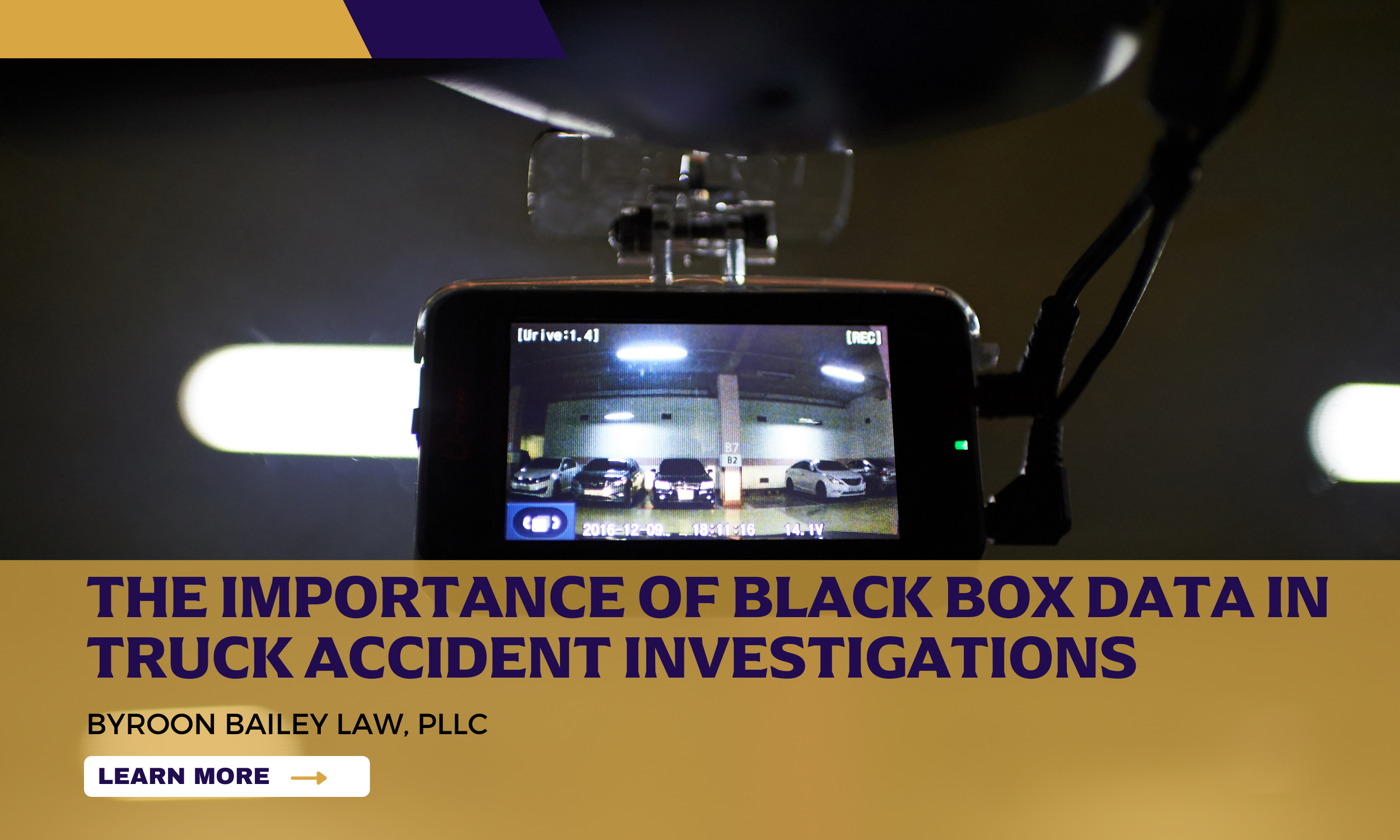
The Importance of Black Box Data in Truck Accident Investigations

Truck accidents are among the most serious road incidents, often resulting in significant injuries, property damage, and even fatalities. According to recent data, large trucks are involved in nearly 500,000 accidents annually across the United States, with thousands occurring in Texas alone. The aftermath of these accidents can be chaotic and complicated, especially when it comes to determining who is at fault. This is where truck “black boxes,” or Event Data Recorders (EDRs), play a crucial role.
An EDR is a device installed in commercial trucks to record specific data about the vehicle's performance and operation. This data can include speed, braking activity, engine performance, and other critical details that help paint a clearer picture of the moments leading up to an accident. Understanding and utilizing black box data is essential for all parties involved, including drivers, trucking companies, and legal professionals. This powerful tool can make the difference between guessing what happened and knowing the truth, ensuring accountability and fairness in truck accident investigations.
What is a Black Box in a Truck?
Definition and Functionality
The black box in a truck, officially known as an Event Data Recorder (EDR), is a device designed to capture and store data about the truck’s operation. Much like the black boxes used in airplanes, truck EDRs collect information that can be invaluable in the event of an accident. These devices monitor a variety of parameters, such as vehicle speed, throttle position, braking patterns, engine performance, and seatbelt usage. By recording this data in real-time, the EDR provides a detailed account of the truck’s performance and the driver’s actions leading up to a collision.
Key Differences Between Truck and Airplane Black Boxes
While both airplane and truck black boxes serve to record operational data, their focus and capabilities differ. Airplane black boxes are designed to store hours of flight data and cockpit audio, which are essential for understanding catastrophic failures. Truck EDRs, on the other hand, are tailored for road safety and accident analysis. They typically record shorter time frames but capture critical driving behaviors like abrupt braking or acceleration. Unlike airplane black boxes, which are heavily regulated, truck EDRs vary widely in functionality depending on the manufacturer and model.
The Role of Black Box Data in Truck Accident Investigations
Accident Reconstruction
Reconstructing the events leading up to a truck accident is one of the most significant uses of black box data. Investigators can use the recorded data to determine key factors such as the truck’s speed at the time of impact, whether the brakes were applied, and how the truck’s engine was performing. For example, if a truck rear-ends another vehicle on a Dallas highway, the black box can reveal whether the driver attempted to brake or was distracted and failed to react. This information is crucial for understanding the sequence of events and identifying contributing factors.
Establishing Fault
In many truck accident cases, determining fault is not straightforward. Black box data provides objective evidence that can clarify liability. For instance, if a driver claims that the truck’s brakes failed, the EDR can confirm whether the brakes were applied and functioning properly. Similarly, the data can show if the driver was speeding, accelerating excessively, or ignoring warning signals from the truck’s systems. By providing an unbiased account, black box data helps ensure that the responsible party is held accountable.
Supporting Legal and Insurance Claims
In legal and insurance disputes, black box data can be a game-changer. Insurance companies often rely on this information to evaluate claims and determine settlements. For attorneys, the data serves as evidence that can strengthen their client’s case, whether they’re representing a victim seeking compensation or defending a trucking company. Accurate, reliable data is especially critical in high-stakes cases, where liability can result in millions of dollars in damages.
Challenges and Limitations
Accessing the Data
One of the primary challenges with black box data is gaining access to it. Ownership of the data often lies with the trucking company, which may be reluctant to release it. In many cases, a court order or agreement is necessary to retrieve the data. Additionally, accessing the data requires specialized equipment and software, adding another layer of complexity.
Interpretation Complexity
Analyzing black box data is not as simple as plugging in a device and reading the results. It requires technical expertise to interpret the raw data and translate it into actionable insights. Misinterpretation can lead to incorrect conclusions, which may complicate legal proceedings or insurance claims. For this reason, it’s essential to involve forensic experts who specialize in EDR analysis.
Privacy Concerns
The use of black box data also raises privacy issues. Drivers and trucking companies may worry about how the data will be used and whether it could be unfairly manipulated. Balancing the need for transparency in investigations with the rights of individuals and companies is an ongoing challenge.
Best Practices for Leveraging Black Box Data
Securing the Data After an Accident
Preserving black box data is a critical first step after a truck accident. If not properly secured, the data can be overwritten, tampered with, or lost entirely. It’s important to act quickly and involve professionals who can safely extract and preserve the information. Involving legal counsel early on can also help ensure that the data is handled in compliance with regulations.
Working with Professionals
Given the technical nature of black box data, it’s crucial to work with qualified experts. Forensic engineers and data analysts can interpret the data accurately and provide detailed reports that are admissible in court. Legal teams should also collaborate with these professionals to build a solid case based on the evidence.
Advocating for Standardization
Currently, there is a lack of uniform regulations regarding truck EDRs, which can create inconsistencies in data collection and access. Advocating for standardized protocols and regulations can help ensure that black box data is reliable and readily available for investigations. This is especially important in states like Texas, where trucking is a major industry, and accidents are frequent.
Real-Life Cases and Lessons Learned
Black box data has played a pivotal role in numerous truck accident investigations. For example, in a case involving a multi-vehicle collision on a Texas interstate, black box data revealed that the truck driver was exceeding the speed limit and had failed to brake in time. This information was instrumental in securing compensation for the victims and holding the trucking company accountable.
These cases underscore the importance of preserving and analyzing black box data promptly. They also highlight the need for drivers and trucking companies to maintain high safety standards to prevent accidents in the first place.
Conclusion
Black box data is an invaluable resource in truck accident investigations, providing the clarity and evidence needed to determine what happened and who is at fault. For drivers, trucking companies, and legal professionals, understanding and leveraging this data is essential for ensuring accountability and achieving fair outcomes.
By prioritizing the preservation and proper use of black box data, stakeholders can contribute to safer roads and a more transparent system for resolving truck accident cases. As technology continues to evolve, so too does our ability to uncover the truth and make informed decisions that benefit everyone involved.
How Weather Conditions Impact Car Wreck Liability

Introduction
Imagine you’re driving down I-35 in a steady rain, and suddenly, a car spins out, causing a chain reaction of collisions. Incidents like this are unfortunately common, especially during Texas’ unpredictable weather seasons. According to the National Highway Traffic Safety Administration (NHTSA), adverse weather contributes to over 20% of car crashes annually in the U.S., and Dallas is no exception, with rain, hail, and sudden storms often catching drivers off guard.
Understanding how weather conditions impact liability in car accidents is crucial for drivers. Many assume that bad weather automatically absolves them of fault, but that’s rarely the case. Whether you’re driving through torrential rain or navigating icy roads, liability often hinges on how well you adapt to the conditions. This blog explores the intersection of weather and car wreck liability, helping you navigate the legal and practical complexities of weather-related accidents.
1. Understanding Car Wreck Liability Basics
Liability in car accidents refers to the legal responsibility for damages or injuries caused by negligence. In most cases, proving liability requires establishing who failed to act reasonably under the circumstances. Two main types of liability frameworks are commonly used in legal systems:
Comparative Negligence: In this system, each party’s level of fault is calculated as a percentage. For example, if one driver was speeding during a rainstorm and another ran a stop sign, both may share liability. Texas follows this system, so even if you’re partially at fault, you might still recover damages if your fault is under 50%.
Contributory Negligence: Less common, this system denies recovery to any party found even slightly at fault.
Liability isn’t determined solely by driver behavior. Factors like road conditions, vehicle maintenance, and weather play significant roles. However, adverse weather doesn’t excuse negligence. For instance, if a driver speeds on an icy road and loses control, they’re likely liable because they failed to adapt to the conditions.
2. Common Weather Conditions That Contribute to Car Accidents
Certain weather conditions significantly increase the risk of accidents. In Texas, where extreme heat and sudden storms are common, drivers face unique challenges. Let’s explore how these conditions contribute to accidents:
Rain: Rain reduces visibility, making it harder to see road signs, vehicles, and pedestrians. Additionally, water on the road creates slippery surfaces, increasing the likelihood of hydroplaning. In Dallas, where rain can be sporadic, drivers may be unprepared for sudden wet conditions.
Snow and Ice: While snow is rare in Texas, ice is a frequent winter hazard, especially on bridges and overpasses. Even a thin layer of ice can cause vehicles to lose traction, making braking and turning dangerous.
Fog: Dense fog limits visibility to a few feet, creating a delayed reaction time for drivers. It’s especially treacherous on highways where high speeds are typical.
Wind: Strong gusts can make it difficult to maintain control, especially for large vehicles like trucks or SUVs. Falling debris caused by high winds can also create unexpected obstacles.
Extreme Heat: While not traditionally considered a weather hazard, heat can cause tire blowouts and degrade road surfaces, leading to accidents.
3. Legal Perspective: Weather Conditions and Liability
While bad weather is an undeniable factor in many accidents, it doesn’t automatically excuse drivers from liability. Courts and insurance companies expect drivers to adjust their behavior to match the conditions.
Weather as a Contributing Factor: Weather conditions like rain or fog are often classified as “external factors.” However, they don’t eliminate a driver’s responsibility to act reasonably. For instance, if a driver rear-ends another vehicle during a heavy rainstorm because they were following too closely, they’ll likely be held liable despite the rain.
Reasonable Precautions: Drivers are expected to take specific precautions during adverse weather, such as reducing speed, using headlights or hazard lights, and avoiding travel during severe weather alerts. Failure to do so can be interpreted as negligence.
Role of Negligence: Courts often focus on whether the driver acted negligently. Speeding on icy roads, failing to replace worn tires, or ignoring weather warnings are common examples of negligence that can impact liability.
4. How Insurance Companies Evaluate Weather-Related Claims
When weather-related accidents occur, insurance companies conduct thorough investigations to determine liability. Their process typically involves:
Investigation Process: Insurers analyze police reports, witness statements, and weather data. For example, if a driver claims they slid on an icy road, the insurer may examine whether that area had been salted or whether the driver was traveling too fast.
Common Denials: One common tactic is invoking the “act of God” defense, which argues that the accident was caused by natural forces beyond anyone’s control. However, if negligence (e.g., speeding or poor vehicle maintenance) is proven, this defense often fails.
5. Role of Technology and Preventative Measures
Modern technology and infrastructure improvements can help mitigate the risks of weather-related accidents:
Modern Safety Features: Vehicles equipped with features like anti-lock braking systems (ABS), traction control, and advanced driver-assistance systems (ADAS) are better equipped to handle adverse conditions. These technologies provide added control and reduce the likelihood of skidding or collisions.
Weather-Responsive Infrastructure: In Dallas, road crews frequently apply salt or sand during icy weather and maintain drainage systems to prevent flooding. These measures help reduce weather-related hazards but don’t eliminate the need for cautious driving.
Proactive Steps for Drivers: Regular vehicle maintenance, such as replacing tires and wiper blades, is essential. Additionally, monitoring weather forecasts and avoiding unnecessary travel during storms can prevent accidents.
6. Real-Life Examples and Case Studies
Consider these real-life examples to understand how weather impacts liability:
Case Study 1: A multi-car pileup on I-30 during a rainstorm involved several vehicles hydroplaning. Investigation revealed that some drivers were speeding despite the conditions, leading to shared liability.
Case Study 2: An icy bridge near Fort Worth caused numerous crashes. A driver who failed to reduce their speed was deemed primarily responsible for the damages, even though the ice was a contributing factor.
These examples highlight the importance of adjusting driving behavior based on weather conditions. Courts often balance responsibility between external factors (like weather) and driver actions.
7. Tips for Avoiding Weather-Related Liability
To minimize your risk of weather-related accidents and liability, consider these tips:
Before Driving: Check weather forecasts and ensure your vehicle is weather-ready with proper tires, wiper blades, and headlights.
During Adverse Weather: Reduce speed, maintain a safe following distance, and use headlights appropriately. Avoid sudden movements like hard braking or quick turns.
In Case of an Accident: Document the scene with photos, including road and weather conditions. File a detailed police report and consult with a legal professional if needed.
Conclusion
Weather conditions are an unavoidable part of driving, especially in areas like Dallas, where heat waves, rain, and occasional ice storms can create challenging scenarios. While weather may contribute to accidents, it doesn’t absolve drivers of liability. Taking reasonable precautions, staying informed, and adapting to conditions are essential for safe driving and reducing liability.
Stay proactive and prepared. Your safety—and your legal protection—depend on it.
Dealing with Insurance Denials After a Car Wreck

Car accidents are often stressful and overwhelming, leaving you to deal with property damage, medical bills, and emotional distress. In such situations, insurance serves as a financial safety net, ensuring you’re not burdened with costs beyond your means. However, what happens when your claim is denied? Insurance denials can leave you feeling helpless, especially when you’re counting on financial support to recover from the accident.
Many individuals face challenges when dealing with insurance companies after a car wreck. Whether it’s unclear policy language, disputes over liability, or alleged delays in reporting, denials are a common obstacle. This guide aims to empower you with actionable steps to handle insurance denials effectively, ensuring you can navigate the process with confidence and resolve the situation promptly.
Understanding Insurance Denials
A. Common Reasons for Denial
Insurance companies have specific criteria for approving claims. Understanding the common reasons for denial can help you identify and address potential issues. Some of these reasons include:
Policy Lapses or Coverage Issues: If your policy has expired or doesn’t cover the type of damage you’re claiming, the insurer may deny your request.
Disputes Over Fault or Liability: The insurer might argue that you were at fault or that another party should be held responsible.
Alleged Policy Exclusions: Certain incidents, like those involving uninsured drivers or specific acts of nature, may be excluded from your coverage.
Delays in Filing Claims: Most policies require prompt reporting of accidents. Waiting too long can result in a denial, as insurers may question the validity of the claim.
B. Types of Denials
Insurance denials can take different forms:
Partial Denial: This occurs when the insurer agrees to cover some, but not all, damages or injuries claimed.
Full Denial: In this case, the insurer rejects the entire claim, leaving you responsible for all costs.
Understanding the type of denial you’ve received is crucial to determining your next steps.
C. The Importance of the Denial Letter
When your claim is denied, the insurer will typically provide a denial letter. This document outlines the reasons for denial and references specific policy clauses. It’s essential to carefully review this letter, as it provides the foundation for any appeal or further action. Look for details such as the cited policy exclusions, the explanation of liability, and instructions for disputing the decision.
Steps to Take After Receiving a Denial
A. Review the Denial
The first step after receiving a denial is to thoroughly analyze the denial letter. Compare the reasons provided against your policy’s terms and conditions. Look for any discrepancies or areas where the insurer’s interpretation of your policy might differ from your understanding. Keep a calm and objective mindset during this review.
B. Gather Documentation
Comprehensive documentation is your strongest ally when challenging a denial. Collect the following:
Police Reports: These provide an official account of the accident and help establish liability.
Photographs and Videos: Visual evidence of the accident scene, damages, and any contributing factors can strengthen your case.
Medical Records and Bills: Detailed records of injuries, treatments, and associated costs demonstrate the legitimacy of your claims.
Witness Statements: If others witnessed the accident, their accounts can corroborate your version of events.
Communications with the Insurer: Maintain a record of all emails, letters, and phone calls with your insurance company.
C. Contact Your Insurance Company
Once you have reviewed the denial and gathered your evidence, reach out to your insurance company. Ask for a detailed explanation of the denial and clarify any ambiguities. Politely but firmly request reconsideration of your claim, presenting the evidence you’ve collected to support your case.
D. File an Appeal
If your discussions with the insurer do not resolve the issue, proceed with filing an official appeal. Familiarize yourself with the appeal process outlined in your policy or on the insurer’s website. Craft a clear and well-organized appeal letter that includes:
A summary of the accident.
A detailed explanation of why the denial is incorrect.
Supporting documentation to substantiate your claims.
Submit the appeal within the specified timeframe to avoid complications.
Legal and Professional Assistance
A. Consult with an Attorney
If your appeal is unsuccessful or the denial involves significant financial stakes, it may be time to consult a legal professional. An experienced attorney can:
Evaluate your case and determine its merits.
Negotiate directly with the insurance company.
Represent you in court if necessary.
Legal assistance is particularly valuable if the denial involves complex legal issues or bad faith practices by the insurer.
B. File a Complaint
If you believe the insurer has acted unfairly, you can file a complaint with your state’s insurance regulatory agency. In Texas, the Texas Department of Insurance (TDI) oversees such matters. Filing a complaint can prompt a review of the insurer’s practices and may lead to a resolution.
C. Consider Mediation or Arbitration
Mediation or arbitration can provide alternative paths to resolving disputes without going to court. These processes involve neutral third parties who help facilitate a fair settlement between you and the insurer. Many policies include clauses requiring arbitration for certain disputes, so review your policy to see if this option applies.
Preventive Measures for the Future
A. Understand Your Policy
One of the best ways to avoid future denials is to thoroughly understand your insurance policy. Familiarize yourself with coverage limits, exclusions, and any requirements for reporting incidents. Regularly review your policy and update it as needed to reflect your current circumstances.
B. Keep Comprehensive Records
Good record-keeping can make a significant difference in the event of a claim. After an accident, document everything immediately, including photos, witness information, and detailed notes about the incident. Keeping organized records of all correspondence with your insurer is equally important.
C. Stay Informed
Laws and insurance practices vary by state and may change over time. Staying informed about your rights and responsibilities as a policyholder can help you navigate claims more effectively. In Texas, for example, state-specific rules may impact how claims are handled, so familiarize yourself with relevant regulations.
Conclusion
Dealing with an insurance denial after a car wreck can feel like an uphill battle, but you don’t have to face it alone. By understanding the reasons behind denials, preparing thorough documentation, and pursuing appeals strategically, you can take control of the situation and work toward a fair resolution. Whether you’re tackling the denial process independently or seeking professional support, persistence and knowledge are your greatest allies.
At Byron C. Bailey & Associates, PLLC, we understand the stress and challenges of navigating insurance disputes after an accident. Our experienced personal injury attorneys are here to provide the legal expertise you need to protect your rights and recover what you’re entitled to.
Don’t wait—contact us today to schedule a consultation and take the first step toward justice.
Be sure to follow and subscribe to Byron C. Bailey & Associates, PLLC for the latest legal insights, tips on handling insurance issues, and updates on personal injury law. Stay informed and empowered—we’re here to help you every step of the way.
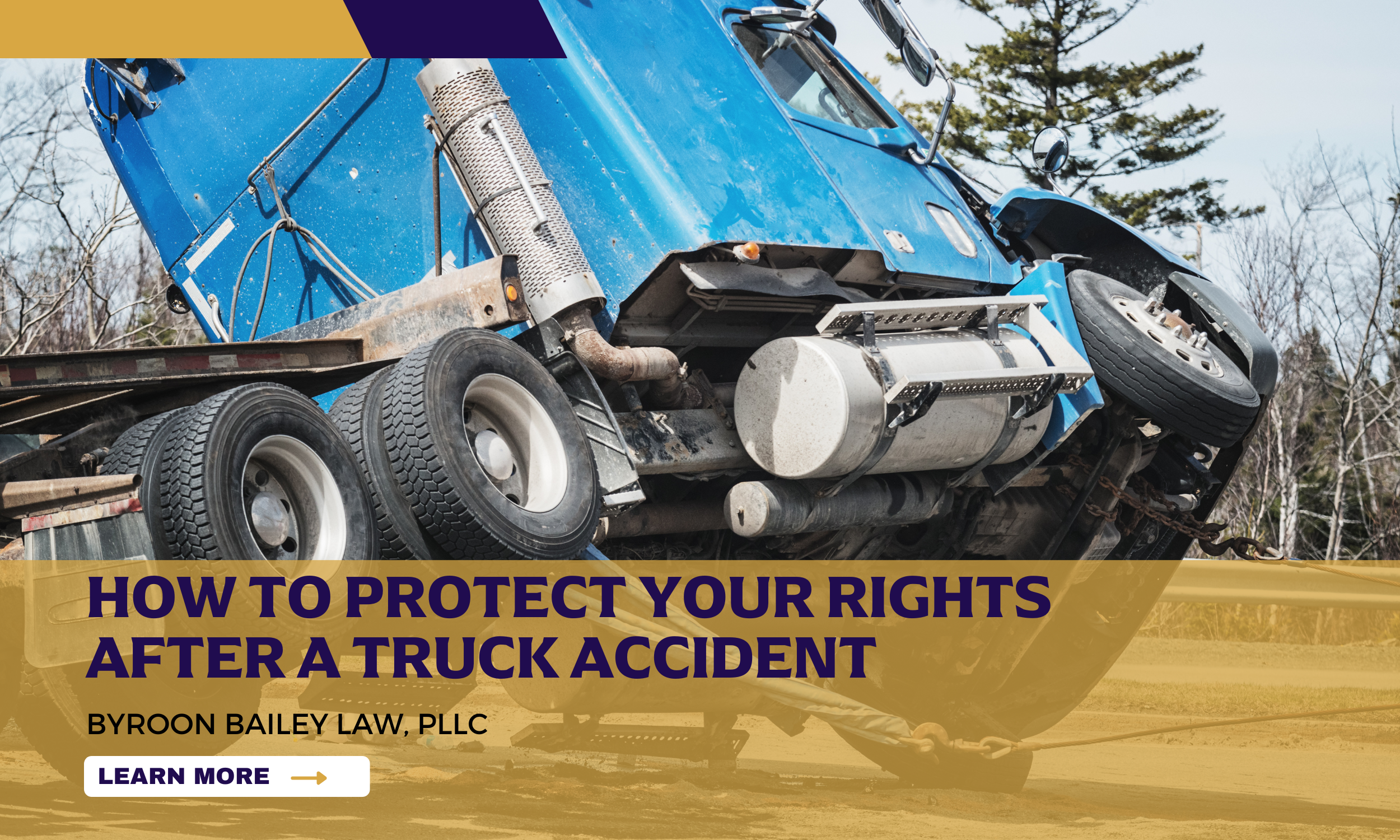
How to Protect Your Rights After a Truck Accident

Truck accidents can be devastating due to the sheer size and weight of these vehicles. Unlike minor car accidents, truck accidents often result in severe injuries, extensive property damage, and even fatalities. In the aftermath of such a traumatic event, knowing how to protect your rights is essential to ensure you receive fair treatment and compensation. Understanding the steps to take immediately after a truck accident can make a significant difference in your recovery—both physically and financially.
Seek Medical Attention
The first and most important step after a truck accident is to prioritize your health and safety. Even if you feel fine initially, it is crucial to seek medical attention as soon as possible. Injuries such as whiplash, internal bleeding, or traumatic brain injuries may not show symptoms right away but can have serious long-term effects.
Documenting your injuries is equally important for legal and insurance purposes. Medical records serve as critical evidence to support your claims for compensation. Make sure to follow through with your doctor’s recommendations and keep a record of all medical visits, treatments, and prescriptions. Not only will this help with your physical recovery, but it also strengthens your case should you need to pursue legal action.
Contact Law Enforcement
Calling the police to the scene of the accident is a vital step in protecting your rights. Law enforcement officers play a key role in documenting the details of the accident. They will assess the scene, speak with witnesses, and create an official accident report.
This accident report is an essential piece of evidence when dealing with insurance companies or filing a legal claim. It provides an unbiased account of the incident, which can help establish fault and support your case. Be sure to ask how you can obtain a copy of the report and keep it in your records.
Gather Evidence at the Scene
While waiting for law enforcement to arrive, you should begin gathering as much evidence as possible. If it is safe to do so, take photos and videos of the accident scene, including damage to vehicles, road conditions, skid marks, and any visible injuries. These visual records can be invaluable when presenting your case.
Additionally, try to collect witness statements and their contact information. Witnesses can provide crucial third-party perspectives on what happened. The more evidence you gather, the stronger your case will be when dealing with insurance adjusters or attorneys representing the trucking company.
Exchange Information with the Truck Driver
It is essential to exchange information with the truck driver involved in the accident. Make sure to collect their name, contact information, driver’s license number, and insurance details. Additionally, obtain information about the trucking company they work for, as this entity may share liability for the accident.
When communicating with the truck driver, remain calm and avoid discussing fault or making accusatory statements. Keep the interaction professional and focused on exchanging necessary details. This will help prevent misunderstandings that could complicate your case later.
Do Not Admit Fault
One of the most important rules to remember after a truck accident is to avoid admitting fault, even if you feel partially responsible. Admitting fault can significantly harm your chances of receiving fair compensation. It’s best to let the investigation determine who is at fault based on evidence and expert analysis.
Limit your conversations at the scene to gathering information and speaking with law enforcement. Do not make statements such as “I’m sorry” or “I didn’t see you,” as these could be interpreted as admissions of fault.
Notify Your Insurance Company
After leaving the scene of the accident, promptly notify your insurance company. Provide them with accurate details about the incident, including the date, time, location, and the parties involved. Stick to the facts and avoid speculating about fault
or the extent of your injuries.
Most insurance policies require timely reporting of accidents, so do not delay this step. Failure to notify your insurance company promptly could jeopardize your ability to receive coverage. Keep copies of all correspondence with your insurer for your records.
Consult with a Truck Accident Attorney
Truck accidents often involve complex legal and insurance issues, making it crucial to consult with an experienced truck accident attorney. An attorney can help protect your rights by handling negotiations with insurance companies, gathering additional evidence, and determining liability.
Trucking companies and their insurers often have teams of lawyers working to minimize their liability. Having your own legal representation ensures you are not at a disadvantage. Your attorney can also guide you through the legal process and help you understand your options, including filing a personal injury or wrongful death lawsuit if necessary.
Document Everything
Keeping thorough records is one of the most effective ways to protect your rights after a truck accident. Start by maintaining a file with all relevant documents, including medical records, repair estimates, correspondence with insurance companies, and receipts for out-of-pocket expenses.
Documenting your physical and emotional recovery is also important. Keep a journal detailing how your injuries affect your daily life, such as pain levels, missed work, or inability to perform routine tasks. This information can help quantify your non-economic damages, such as pain and suffering, when negotiating a settlement or presenting your case in court.
Understand Your Rights and Legal Options
After a truck accident, it is essential to understand your legal rights and options. You may be entitled to compensation for medical expenses, lost wages, property damage, and pain and suffering. In cases involving severe negligence, you might also be eligible for punitive damages.
Be aware of the statute of limitations for filing a claim in Texas. Generally, you have two years from the date of the accident to file a personal injury lawsuit. However, certain circumstances may affect this timeline, so it is important to consult an attorney as soon as possible.
Conclusion
Truck accidents can be life-changing, but taking the right steps ensures your rights and compensation are protected. At Byron C. Bailey & Associates, PLLC, we’re here to guide you through the legal process and fight for the justice you deserve.
Contact us today for a free consultation and let our experienced team help you rebuild your life. Follow us on social media and subscribe to our newsletter for more tips and updates.

How to Prove Negligence in a Truck Accident Case

Truck accidents can have devastating consequences due to the sheer size and weight of commercial vehicles. These accidents often result in severe injuries, property damage, and even fatalities. For victims, seeking compensation is critical to covering medical bills, lost wages, and other expenses. However, proving negligence is a key factor in obtaining a favorable outcome in a truck accident case. Negligence establishes who is at fault and holds them accountable for the damages caused.
Understanding how to prove negligence involves examining the actions of several parties: the truck driver, the trucking company, and even third-party manufacturers or maintenance crews. This guide will walk you through the process of proving negligence, common challenges, and why legal representation is essential.
Understanding Negligence in a Legal Context
In personal injury law, negligence occurs when someone fails to exercise reasonable care, resulting in harm to another person. To prove negligence in a truck accident case, four elements must be established:
Duty of Care: Truck drivers and trucking companies have a legal obligation to ensure the safety of others on the road. This includes adhering to traffic laws, following federal trucking regulations, and maintaining their vehicles properly.
Breach of Duty: A breach occurs when a party fails to meet their duty of care. For instance, a truck driver texting while driving or a company skipping routine maintenance could be considered breaches.
Causation: It must be shown that the breach of duty directly caused the accident. For example, if a truck’s faulty brakes (a maintenance failure) led to a collision, the connection between the negligence and the accident is clear.
Damages: Finally, the victim must demonstrate that they suffered actual harm, such as injuries, property damage, or emotional distress.
These elements are the foundation of any truck accident case and guide the investigation and evidence-gathering process.
Common Causes of Truck Accidents Linked to Negligence
Truck accidents often result from specific acts of negligence by drivers, trucking companies, or other parties:
Driver-Related Causes
Fatigue: Truck drivers often work long hours despite federal regulations limiting driving time. Fatigue can impair reaction times and decision-making.
Distracted Driving: Texting, eating, or using in-cab technology can divert a driver’s attention from the road.
Speeding or Reckless Driving: Tight delivery schedules sometimes pressure drivers to exceed speed limits or take unnecessary risks.
Impaired Driving: Alcohol or drug use, including prescription medications, can impair a driver’s ability to operate a vehicle safely.
Trucking Company-Related Causes
Failure to Maintain Vehicles: Companies must ensure their trucks are in good condition. Neglecting maintenance can lead to brake failures, tire blowouts, or other mechanical issues.
Improper Loading: Overloading or improperly securing cargo can affect a truck’s stability, increasing the risk of accidents.
Unrealistic Schedules: When companies pressure drivers to meet tight deadlines, it can lead to speeding or skipping necessary rest breaks.
Manufacturer-Related Causes
Defective parts, such as brakes or tires, can contribute to accidents. In these cases, the manufacturer may share liability.
Third-Party Negligence
Road hazards, such as poorly maintained roads or negligent actions by other drivers, can also play a role.
Identifying the cause is crucial to determining which parties are liable for the accident.
Evidence Required to Prove Negligence
Building a strong case relies on gathering comprehensive evidence:
Police Reports
After an accident, the police report provides an unbiased account of the incident, including details about weather conditions, driver statements, and citations issued.
Trucking Logs and Records
Electronic Logging Devices (ELDs): These track a driver’s hours on the road and compliance with federal hours-of-service regulations.
Maintenance Records: Proving whether a truck was properly maintained can reveal company negligence.
Witness Statements
Eyewitness accounts can provide valuable insights into what happened before and during the accident. Statements from other drivers, passengers, or bystanders are often compelling evidence.
Accident Reconstruction
Experts can analyze skid marks, vehicle damage, and road conditions to recreate the accident. Their findings can clarify the sequence of events and pinpoint negligence.
Black Box Data
Most commercial trucks have event data recorders, or “black boxes,” that record information about speed, braking, and engine performance before an accident. This data can support claims of driver error or mechanical failure.
Surveillance Footage
Nearby traffic cameras, business security cameras, or dashcams can provide critical visual evidence of the accident.
Medical Records and Bills
Detailed documentation of injuries helps link the accident to the victim’s damages and establish the severity of harm suffered.
Legal Process in a Truck Accident Negligence Case
Proving negligence involves navigating a structured legal process:
Filing a Claim
Victims typically start by filing an insurance claim. However, if the insurer denies liability or offers an insufficient settlement, filing a lawsuit may be necessary.
Discovery Phase
During discovery, both sides exchange evidence and take depositions. This phase is critical for gathering trucking logs, maintenance records, and other key documents.
Proving Negligence in Court
Presenting evidence and expert testimonies helps demonstrate causation and damages. Attorneys must show that the defendant’s actions (or inaction) directly caused the accident.
Settlement Negotiations
Most cases are resolved through settlements. Mediation or arbitration may be used to reach an agreement without going to trial. However, if the settlement offer is inadequate, proceeding to court might be necessary.
Challenges in Proving Negligence
Proving negligence is not always straightforward due to:
Multiple Liable Parties
Determining liability can be complicated when several parties—drivers, companies, contractors, or manufacturers—share responsibility.
Corporate Defense Strategies
Trucking companies often employ aggressive legal teams to minimize their liability. They may deny fault, shift blame, or argue that the victim’s actions contributed to the accident.
Lack of Immediate Evidence
Critical evidence, such as black box data or surveillance footage, can be lost or destroyed if not preserved quickly. Acting promptly is essential to protect your case.
Importance of Legal Representation
A truck accident attorney is invaluable for navigating the complexities of these cases:
Understanding Regulations: Federal and state trucking laws are intricate. An attorney ensures compliance with these regulations strengthens your case.
Access to Resources: Experienced attorneys work with accident reconstruction experts, medical professionals, and other specialists to build a compelling case.
Negotiating Power: Attorneys have experience negotiating with insurance companies and can push for fair compensation.
Many truck accident attorneys work on a contingency fee basis, meaning you pay only if they win your case.
Key Federal and State Regulations Affecting Truck Accident Cases
Federal Motor Carrier Safety Administration (FMCSA) regulations play a significant role in truck accident cases:
Hours of Service: Limits on driving hours aim to prevent fatigue-related accidents.
Drug and Alcohol Testing: Drivers must undergo regular testing to ensure sobriety.
Maintenance Standards: Trucks must meet strict inspection and maintenance requirements.
State-specific laws may also influence the outcome of a case, so understanding local regulations is essential.
Types of Damages Recoverable in a Truck Accident Case
Victims can seek compensation for:
Economic Damages
Medical expenses, including future treatment costs.
Lost wages and diminished earning potential.
Vehicle repair or replacement costs.
Non-Economic Damages
Pain and suffering.
Emotional distress and loss of enjoyment of life.
Punitive Damages
In cases of egregious negligence, courts may award punitive damages to deter similar behavior.
Common Mistakes to Avoid When Proving Negligence
Delaying Medical Attention: Failing to seek immediate treatment can weaken your case.
Not Documenting the Scene: Photos, videos, and witness contact information are crucial.
Speaking to Insurers Without Legal Advice: Insurance companies may use your statements against you.
Missing Legal Deadlines: Statutes of limitations vary by state, so act quickly.
Conclusion
Proving negligence in a truck accident case is essential to securing compensation for your losses. By gathering strong evidence, understanding the legal process, and working with experienced legal professionals, you can build a compelling case. If you or a loved one has been involved in a truck accident, act quickly to protect your rights and ensure justice is served.
How Truckers’ Substance Abuse Issues Lead to Accidents

The trucking industry plays a vital role in the U.S. economy, serving as the backbone of commerce and ensuring goods are transported efficiently across states. Every day, thousands of trucks navigate highways, delivering essential items like groceries, medical supplies, and raw materials. However, this critical industry also carries a significant responsibility: keeping the roads safe. Truck drivers must remain focused and alert to prevent accidents that could lead to devastating consequences. Unfortunately, substance abuse among truckers poses a major threat to road safety.
Recent statistics shed light on the gravity of this issue. According to data from the Federal Motor Carrier Safety Administration (FMCSA), substance abuse has been a contributing factor in thousands of truck-related accidents. Alcohol, stimulants, and opioids are some of the most common substances involved. This blog will delve into how substance abuse contributes to accidents, the factors driving its prevalence, and the steps we can take to address the issue.
The Scope of the Problem
Truck Accidents and Substance Abuse
Substance abuse among truckers is a widespread problem that puts everyone on the road at risk. Reports suggest that drivers under the influence are significantly more likely to cause accidents due to impaired judgment, slower reaction times, and reduced motor skills. Alcohol is a leading culprit, but stimulants like amphetamines and cocaine also play a major role. These drugs, often used to combat fatigue, can create a false sense of alertness, leading to reckless driving. Opioids, which impair motor coordination and cognitive functions, are also becoming increasingly common due to the opioid crisis gripping the nation.
Impact on Road Safety
The consequences of impaired driving are far-reaching. When truckers use substances, their ability to react quickly to changing road conditions is severely diminished. This can lead to collisions with other vehicles, pedestrians, and even stationary objects. Furthermore, accidents involving large commercial trucks often result in catastrophic outcomes due to the size and weight of these vehicles. Beyond the immediate danger to life and limb, such accidents can lead to damaged goods, delayed shipments, and economic losses.
Factors Contributing to Substance Abuse in Truckers
Stress and Long Hours
The trucking profession is demanding and isolating. Truckers often face grueling schedules, long hours behind the wheel, and strict delivery deadlines. The stress of meeting these expectations can take a toll on their mental health, leading some drivers to turn to substances as a coping mechanism. The loneliness and isolation of life on the road further exacerbate the problem. Many truckers spend weeks away from their families, with little opportunity for social interaction or support.
Fatigue and the Use of Stimulants
Fatigue is one of the most significant challenges truckers face. Driving for extended periods without proper rest increases the risk of accidents. To combat this, some drivers resort to stimulants like amphetamines or caffeine pills, which help them stay awake but come with severe side effects. Over time, dependence on these substances can develop, creating a dangerous cycle where drivers rely on stimulants to maintain their performance while their health deteriorates.
Availability and Lack of Regulation
Substances are surprisingly easy for truckers to access while on the road. Whether through local contacts, truck stops, or online sources, drivers can often obtain drugs without much difficulty. Although drug testing is a requirement in the industry, loopholes in monitoring systems allow some drivers to slip through the cracks. Random testing is not always enforced consistently, and many drivers find ways to evade detection, putting others at risk.
Consequences of Substance Abuse in Trucking
Impact on Drivers
For truckers, substance abuse is not just a professional hazard but also a personal health crisis. Prolonged use of drugs or alcohol can lead to serious health issues, including liver damage, heart problems, and mental health disorders. Many drivers also face career-ending consequences if caught under the influence, as their commercial driver’s license (CDL) may be suspended or revoked. The stigma associated with substance abuse can make it difficult for them to seek help, perpetuating the cycle of addiction.
Public Safety Risks
The most alarming consequence of substance abuse in trucking is its impact on public safety. Accidents involving impaired drivers can result in fatalities, severe injuries, and destruction of property. These incidents often affect multiple parties, including other motorists and pedestrians. Additionally, the financial repercussions of such accidents are immense, with costs arising from legal battles, medical bills, and lost goods. Communities bear the brunt of these tragedies, both emotionally and economically.
Addressing the Issue
Stricter Enforcement of Regulations
One of the most effective ways to tackle substance abuse in trucking is through stricter enforcement of existing regulations. The Department of Transportation (DOT) mandates drug testing for drivers, but more frequent and random testing could act as a stronger deterrent. Employers must also ensure compliance with these protocols, holding their drivers accountable and fostering a culture of safety.
Education and Awareness Programs
Educating truckers about the dangers of substance abuse and providing resources for addiction treatment can make a significant difference. Companies can offer stress management workshops, mental health support, and access to counseling services. By addressing the root causes of substance abuse, these initiatives can help drivers make healthier choices and reduce the overall incidence of impaired driving.
Technology and Monitoring Solutions
Technology offers promising solutions to enhance road safety. Dashcams and telematics systems can monitor driver behavior in real-time, identifying signs of fatigue or impairment. Advanced drug-detection tools, combined with fatigue-monitoring devices, can provide an added layer of security. Investing in these technologies could save lives and reduce the financial burden of accidents.
What Can Be Done by Stakeholders?
Trucking Companies’ Role
Trucking companies have a responsibility to prioritize safety over productivity. By promoting a culture that values driver well-being, they can reduce the pressure on their employees and encourage healthier habits. Offering wellness programs, flexible schedules, and regular breaks can help mitigate the stress that often leads to substance abuse.
Government Initiatives
Policymakers must allocate resources to address this issue effectively. Funding for rehabilitation programs specifically tailored for truckers could provide a lifeline for those struggling with addiction. Stricter penalties for violations involving substance abuse would also act as a deterrent, ensuring that drivers take the regulations seriously.
Public Awareness
Public awareness campaigns can play a crucial role in promoting road safety. Encouraging citizens to report erratic driving behavior can help identify impaired drivers before accidents occur. Advocacy for responsible trucking practices can also put pressure on companies and regulators to prioritize safety measures.
Conclusion
Substance abuse in the trucking industry is a complex issue with far-reaching consequences. From impaired drivers risking lives to economic losses caused by accidents, the impact is felt by individuals and communities alike. Addressing this problem requires a collective effort from truckers, companies, regulators, and the public. By implementing stricter regulations, investing in education and technology, and fostering a culture of responsibility, we can make our roads safer for everyone. It’s time to take action and ensure that the trucking industry continues to serve as a vital part of our economy without compromising public safety.

How Car Wrecks Affect Your Driving Record and Insurance Rates

A clean driving record is one of the most valuable assets for any driver. It can help you save money on car insurance, maintain a strong reputation with employers who require driving as part of the job, and even avoid costly penalties and fines. However, one car wreck—whether it’s your fault or not—can significantly alter that record and impact your financial well-being.
Understanding how car wrecks affect your driving record and insurance premiums is essential for every driver. Many drivers are unaware of how an accident gets reported, how long it stays on their record, and the financial consequences it can bring. This blog will help you navigate the complexities of driving records, shed light on how accidents are documented and evaluated, and offer actionable steps to protect yourself from long-term repercussions.
What is a Driving Record?
A driving record is a detailed history of your driving activity maintained by the Department of Motor Vehicles (DMV) or an equivalent agency in your state. It includes information about moving violations, non-moving violations, license suspensions, and, most importantly, any accidents in which you’ve been involved.
There are two main types of incidents that appear on your driving record:
Moving Violations: These include speeding, running red lights, or reckless driving. They are significant because they indicate risky behavior on the road.
Non-Moving Violations: These might include parking tickets or equipment-related offenses, which don’t directly impact your driving safety but can still be recorded.
When it comes to accidents, they’re typically classified into two categories: at-fault and not-at-fault. If you’re found at fault, it means your actions directly caused the collision. Not-at-fault accidents may still appear on your record, depending on state laws and the reporting process.
Your driving record isn’t just for your personal reference—it’s used by insurance companies to determine your risk level, by employers for hiring decisions (especially if driving is part of your job), and by the state to evaluate your eligibility for a license.
How Car Wrecks Are Reported
After a car wreck, documentation begins almost immediately, and the details of the accident can quickly make their way onto your driving record. Here’s how the reporting process works:
Police Reports: When law enforcement is involved, they create an official report detailing the circumstances of the wreck. This report is often critical in determining fault.
Insurance Claims: If you file an insurance claim, the details of the accident are recorded by your insurer and may be shared with other insurers through databases like the Comprehensive Loss Underwriting Exchange (CLUE).
Role of the DMV: In some cases, the DMV adds accidents to your driving record, especially if you were cited for a violation or deemed at fault.
Reporting practices can vary significantly depending on your state. For example, in Texas, insurance companies are required to investigate accidents thoroughly before determining fault, which can influence how the incident is reported on your record.
Types of Car Wrecks and Their Impact on Driving Records
Not all car wrecks are treated equally when it comes to driving records. The type of accident and your role in it can significantly impact the consequences:
At-Fault Accidents: These accidents occur when you’re determined to be responsible for the collision. They are likely to stay on your driving record and can result in higher insurance premiums, fines, or even points on your license.
Not-At-Fault Accidents: While these are less severe, they may still appear on your record depending on how they’re reported. Insurance companies might not penalize you for these incidents, but they still evaluate them when calculating your risk.
Minor vs. Major Accidents: A minor fender bender might result in a small premium increase, while a major accident involving injuries or significant property damage can lead to long-term consequences for your driving record and insurance rates.
The Impact on Insurance Rates
When it comes to insurance, your driving record is one of the primary factors insurers use to calculate your premiums. A car wreck, especially if you’re at fault, signals increased risk, which can lead to higher rates. Here’s how:
Risk Calculation: Insurers assess your likelihood of filing future claims based on your accident history. Even a single accident can make you appear riskier.
Accident Surcharge Periods: Most insurers impose a surcharge after an accident, which typically lasts 3-5 years. During this time, your premiums will be significantly higher.
Magnitude of Increases: First-time offenders might see a smaller premium increase, while repeat offenders face steeper hikes. Additionally, different providers weigh accidents differently, so it’s worth comparing rates if your premiums rise dramatically.
Accidents can also result in losing discounts, such as those for safe driving or loyalty, compounding the financial impact.
How Long Do Accidents Stay on Your Record?
The length of time an accident remains on your record varies by state and the type of accident. In Texas, at-fault accidents typically stay on your record for three to five years, depending on the severity. However, more severe violations, such as DUIs or reckless driving, can stay on your record much longer.
Fortunately, there are ways to reduce the impact of an accident over time. For example, maintaining a clean driving record after the incident can demonstrate to insurers that you’ve improved. Additionally, some states allow drivers to take defensive driving courses to mitigate points or penalties.
Ways to Mitigate the Effects of a Car Wreck
If you’ve been in a car wreck, there are proactive steps you can take to minimize its long-term consequences:
Filing Claims Wisely: Not every accident requires an insurance claim. For minor incidents, it might be better to pay out-of-pocket to avoid a premium increase.
Disputing Inaccuracies: Regularly review your driving record to ensure it’s accurate. If you spot errors, contact the DMV or your insurance company to correct them.
Defensive Driving Programs: Enrolling in a certified course can help offset points on your record or even qualify you for discounts.
Accident Forgiveness: Some insurance companies offer accident forgiveness programs, which prevent your first accident from impacting your premiums.
Proactive Steps to Protect Your Driving Record
Prevention is always better than cure. Here’s how you can proactively protect your driving record:
Practice Safe Driving: Obey traffic laws, stay alert, and avoid distractions to reduce your risk of accidents.
Regular Record Checks: Periodically review your driving record to ensure it’s accurate and up to date.
Shop Around for Insurance: Different insurers weigh accidents differently, so comparing rates can help you find the most affordable coverage after an accident.
Conclusion
Car wrecks can impact your driving record, insurance rates, and finances. Whether you’re dealing with an at-fault accident or navigating insurance claims, understanding your options is essential.
You don’t have to face these challenges alone. If you’ve been injured in a car accident, Byron C. Bailey & Associates, PLLC is here to help. Our experienced legal team will fight for the compensation you deserve.
Contact us today for a free consultation, and let us guide you through the legal process. Stay connected—follow us on social media and subscribe to our newsletter for expert advice. Your well-being matters—call us now!

How Speeding Trucks Pose a Danger on the Road

Every day, thousands of trucks crisscross the highways of America, delivering goods and keeping the economy moving. These vehicles play an essential role in ensuring store shelves are stocked, construction projects stay on track, and businesses run smoothly. On major routes like I-35 and I-45 in and around Dallas, Texas, the sight of large trucks is a constant reminder of their importance to our daily lives. However, these massive vehicles can also pose significant risks when drivers fail to operate them responsibly—particularly when speeding is involved.
Speeding trucks are a growing concern on our roads. Their size, weight, and reduced maneuverability make them dangerous even under normal conditions, and excessive speed exacerbates these issues. For other drivers, pedestrians, and cyclists, the consequences of a collision involving a speeding truck can be catastrophic. This blog explores the factors that contribute to this issue, the risks involved, and the steps that can be taken to make our roads safer. By understanding the problem and advocating for solutions, we can reduce accidents and save lives.
The Physics of Speeding Trucks
The sheer size and weight of trucks create unique dangers when these vehicles exceed safe speeds. A typical semi-truck can weigh up to 80,000 pounds when fully loaded. Compared to a passenger car that averages about 4,000 pounds, the momentum generated by a speeding truck is immense. This means that even a slight miscalculation or sudden need to stop can lead to disastrous consequences. For example, when traveling at 65 mph, a fully loaded truck requires the length of two football fields to come to a complete stop.
Stopping distance is one of the critical factors that make speeding trucks so hazardous. Unlike passenger vehicles, which have a relatively short braking distance, trucks require significantly more space to slow down and stop safely. At high speeds, this need becomes even more pronounced. If a truck driver is forced to brake suddenly due to traffic congestion, a road hazard, or an unexpected lane change, the chances of an accident increase dramatically.
Another key issue is the force of impact. The greater the speed of a truck, the more destructive its force during a collision. This is why accidents involving speeding trucks are often fatal or result in severe injuries, particularly for occupants of smaller vehicles. Physics doesn’t take a break when a driver is running late or trying to meet a deadline, and understanding these dynamics is crucial for everyone on the road.
Common Causes of Truck Speeding
Truck drivers face unique pressures that often lead to unsafe driving practices, including speeding. Tight delivery schedules are one of the most significant factors. Many logistics companies operate on strict timelines, and drivers may feel compelled to exceed speed limits to meet deadlines. In cities like Dallas, where traffic congestion is a regular occurrence, these pressures can push drivers to take unnecessary risks.
Driver fatigue is another common contributor to speeding. Long hours on the road, coupled with inadequate rest, can impair judgment. Fatigued drivers are more likely to misjudge their speed or underestimate the time needed to stop their vehicle safely. Federal regulations require rest breaks for truck drivers, but compliance isn’t always guaranteed, and the pressure to keep moving can lead to dangerous choices.
Inadequate enforcement of speed limits also plays a role. While speed cameras and highway patrol officers work to deter reckless driving, the sheer volume of trucks on the road can make enforcement inconsistent. Drivers who believe they are unlikely to be caught may be more inclined to push the limits.
Finally, overconfidence can be a factor. Experienced truck drivers may feel they are skilled enough to handle their vehicles at higher speeds. However, even the most experienced drivers cannot overcome the laws of physics or react fast enough in every situation.
Risks Posed by Speeding Trucks
Speeding trucks endanger everyone on the road. For other drivers, the risk of a collision increases significantly when a truck is traveling at an unsafe speed. Passenger vehicles are no match for the size and weight of a truck, and in a collision, the occupants of smaller vehicles are far more likely to suffer serious injuries or fatalities.
Pedestrians and cyclists are particularly vulnerable to speeding trucks. In urban areas or on roads with pedestrian crossings, a truck driver’s ability to stop or maneuver in time to avoid an accident is drastically reduced when traveling too fast. The consequences can be devastating, with little chance for those on foot or bike to escape unharmed.
Environmental hazards also come into play. Many trucks carry hazardous materials, such as fuel, chemicals, or industrial waste. In the event of an accident involving a speeding truck, these materials can spill, creating risks not only for those directly involved but also for nearby communities and ecosystems.
Lastly, infrastructure suffers under the strain of speeding trucks. Roads, bridges, and overpasses are designed to handle specific loads and speeds. When trucks consistently exceed these limits, the wear and tear on infrastructure accelerates, leading to costly repairs and potential structural failures.
Prevention and Safety Measures
Preventing accidents caused by speeding trucks requires action from all stakeholders. Trucking companies can play a significant role by implementing speed governors—devices that limit the maximum speed of a vehicle—and providing regular training for drivers. These steps help ensure that drivers understand the risks and adopt safer driving practices.
For truck drivers, adhering to speed limits and managing schedules responsibly are essential. Drivers must also prioritize rest and be honest about their physical and mental state before hitting the road. Understanding the consequences of speeding can motivate drivers to make safer choices.
Authorities must enforce speed regulations more consistently. Technologies such as speed cameras and GPS tracking systems can help monitor truck speeds and hold drivers accountable. Increased highway patrol presence, especially in high-risk areas, can also act as a deterrent.
Other road users can contribute to safety by maintaining safe distances from trucks and avoiding their blind spots. Education campaigns can help raise awareness about how to share the road responsibly with large vehicles.
The Role of Technology in Mitigating Risks
Technology offers promising solutions to the problem of speeding trucks. Telematics systems, which monitor speed, driver behavior, and vehicle performance in real time, allow companies to address issues proactively. Collision avoidance systems, including automatic braking and lane-keeping assistance, can also reduce the risk of accidents.
Infrastructure improvements, such as smart traffic management systems and better-designed highways, can support safer driving conditions. For example, dedicated truck lanes on highways or enhanced signage in high-risk areas can help reduce accidents.
Conclusion
Speeding trucks pose undeniable dangers, with life-altering consequences like collisions, injuries, and property damage. Despite prevention efforts, accidents still happen, leaving victims overwhelmed.
If you or a loved one has been affected by a truck accident, Byron C. Bailey & Associates, PLLC is here to help. We specialize in personal injury cases and are dedicated to securing the justice and compensation you deserve. Whether it’s medical bills, lost wages, or holding negligent parties accountable, our experienced team will guide you every step of the way.
Call us today for a free consultation. Follow us on social media and subscribe to our newsletter for safety tips and legal updates. Together, we can build safer roads and a stronger community.

What to Do If You’re Injured in a Car Wreck Caused by a Drunk Driver
Being injured in a car wreck caused by a drunk driver can be a life-altering experience, leaving victims overwhelmed and uncertain about their next steps. This blog outlines key actions to protect your rights, seek compensation, and ensure justice is served.

Drunk driving accidents are a tragic and all-too-common occurrence, causing untold harm to individuals and families every year. In Texas, where sprawling highways and busy streets are part of daily life, the dangers of encountering a drunk driver are ever-present. These incidents are not just accidents—they’re preventable tragedies caused by irresponsible and reckless behavior.
If you’ve been injured in a car wreck caused by a drunk driver, it’s critical to know what steps to take to protect your health, legal rights, and financial future. In such a stressful situation, having a clear plan can make all the difference. This blog aims to provide practical advice, actionable steps, and legal insights to help you navigate this difficult time.
2. Immediate Steps to Take After the Accident
Ensure Safety and Call for Help
Your safety should always come first after a car wreck. If your injuries permit, move to a safe location away from traffic. Turn on your hazard lights to alert other drivers. Immediately call 911 to report the accident and inform the dispatcher that you suspect the other driver may be under the influence of alcohol. This information is critical for law enforcement and emergency responders to prioritize the situation.
When the police arrive, be cooperative and provide accurate details of the event. Refrain from making assumptions, but do mention any signs that made you suspect intoxication, such as the driver’s slurred speech or erratic behavior. This helps ensure the incident is properly documented.
Seek Medical Attention
Even if you feel fine initially, it’s vital to get checked by a medical professional. Some injuries, such as whiplash or internal trauma, may not show symptoms immediately. Emergency personnel on the scene can assess your condition, but follow up with your doctor or visit a hospital as soon as possible.
Additionally, document your injuries meticulously. Keep records of medical visits, treatments, prescriptions, and any other related expenses. These records not only support your recovery but are invaluable for insurance claims and potential legal action.
Avoid Confrontations
The moments following a crash can be tense and emotionally charged, especially when a drunk driver is involved. Avoid engaging with the intoxicated driver, no matter how angry or upset you may feel. Your focus should remain on your safety and well-being. Allow the police to handle the driver—it’s their job to manage the situation and gather evidence.
3. Gather Evidence
Document the Scene
If you’re physically able, take photos and videos of the accident scene. Capture the damage to all vehicles, visible injuries, and any environmental factors that may be relevant, such as skid marks, broken glass, or traffic signals. Include close-ups and wide-angle shots to provide context. This visual evidence can be instrumental when proving the facts of the case.
Speak to Witnesses
If there were witnesses to the accident, gather their contact information, including names and phone numbers. Witness statements can strengthen your claim by corroborating your account of the events. People are often more willing to provide information immediately after an accident, so act quickly.
Police Report
Make sure a police report is filed, as this is a critical piece of evidence. The officer’s report will likely include their observations about the driver’s intoxication, such as failed sobriety tests or the presence of alcohol in the vehicle. Request a copy of the report for your records once it’s available.
4. Notify Your Insurance Company
Provide Accurate Information
Promptly notify your insurance provider about the accident. Be factual and stick to the details of the incident. Your insurer will need to know the date, time, location, and a general description of what happened. Avoid speculating about fault or damages.
Avoid Admitting Fault
Be cautious in your communications. Do not admit any responsibility for the accident, even casually. Such statements can be misinterpreted and used against you in claims or legal proceedings. Let the evidence and police report speak for themselves.
5. Understand Your Legal Options
Personal Injury Claim
Filing a personal injury claim is one of the most effective ways to recover compensation for the damages caused by a drunk driver. These claims can cover medical expenses, lost wages, property damage, and non-economic damages such as pain and suffering. It’s essential to understand the process and gather strong evidence to support your claim.
Punitive Damages
In Texas, victims of drunk driving accidents may be eligible for punitive damages. These damages are intended to punish the drunk driver for their reckless behavior and deter similar actions in the future. While not all cases qualify for punitive damages, consulting with an attorney can help determine if they apply in your situation.
Working with an Attorney
Navigating the legal system can be complex, especially when dealing with insurance companies and drunk driving laws. An experienced personal injury attorney can advocate on your behalf, handle negotiations, and ensure you receive the compensation you deserve. Attorneys understand how to build a compelling case and can relieve much of the stress associated with the process.
6. Dealing with Emotional and Physical Recovery
Access Support
The emotional toll of a drunk driving accident can be just as significant as the physical injuries. Many survivors experience anxiety, depression, or PTSD. Consider seeking professional counseling to process the trauma and rebuild your confidence.
Follow Medical Advice
Adhere to the treatment plan prescribed by your healthcare providers. Physical therapy, medications, and follow-up appointments are crucial for a full recovery. Skipping treatments could not only hinder your healing but also weaken your personal injury claim by appearing as if you didn’t take your injuries seriously.
Seek Community Resources
Look for support groups in your area for accident survivors. Sharing your experience with others who understand can provide comfort and encouragement. Organizations like Mothers Against Drunk Driving (MADD) may offer additional resources for victims of drunk driving incidents.
7. Preventing Future Drunk Driving Incidents
While you can’t undo the harm caused by a drunk driver, you can contribute to preventing future tragedies. Share your story to raise awareness about the dangers of drunk driving. Advocate for stricter enforcement of DUI laws and support local initiatives aimed at reducing impaired driving.
Simple actions, such as promoting designated driver programs and encouraging friends to use rideshare services, can make a big difference. By taking a stand, you can help create safer roads for everyone.
8. Conclusion
Being injured in a car wreck caused by a drunk driver is a traumatic experience that no one should have to endure. However, knowing the right steps to take can make a significant impact on your recovery, both physically and financially. From seeking medical attention and gathering evidence to understanding your legal rights, each action you take helps protect your interests and paves the way for justice.
If you or a loved one has been injured in a drunk driving accident, don’t navigate this journey alone. Reach out to a trusted legal professional who can guide you through the process and fight for the compensation you deserve. Taking action now can help you regain control and start rebuilding your life.

What to Expect During the Truck Accident Litigation Process

Truck accidents are often catastrophic due to the size and weight of commercial vehicles. They can lead to severe injuries, significant property damage, and, tragically, loss of life. The aftermath of such accidents is often complicated by multiple parties involved, such as trucking companies, insurers, and drivers.
Understanding the truck accident litigation process is essential for anyone seeking compensation for damages. Knowing what to expect can help you navigate the challenges and make informed decisions. This blog outlines the key stages of truck accident litigation, guiding you through each step with clarity and insight.
The Importance of Legal Representation
Truck accident cases are rarely straightforward. They often involve detailed investigations and legal complexities that can be overwhelming without proper legal assistance. Hiring an experienced truck accident attorney is crucial for ensuring that your rights are protected and that you have the best chance of obtaining fair compensation.
An attorney plays a vital role in investigating the accident, negotiating with insurance companies, and, if necessary, representing you in court. They understand the unique aspects of truck accident laws, such as federal regulations governing trucking companies. This expertise can be invaluable in building a strong case.
Pre-Litigation Phase
1. Initial Consultation with an Attorney
The first step in the litigation process is meeting with an attorney. During this consultation, you’ll discuss the details of the accident, your injuries, and any losses you’ve incurred. It’s essential to bring all relevant documents, including police reports, medical records, photos of the accident scene, and insurance details.
Your attorney will evaluate your case, explain your legal options, and outline the next steps. This initial meeting helps determine whether litigation is the best path forward.
2. Investigation and Evidence Gathering
After taking your case, your attorney will begin gathering evidence to build a strong claim. This includes obtaining police reports, interviewing witnesses, and examining photos or videos of the accident.
Trucking companies often keep detailed records, such as driver logbooks, maintenance records, and GPS data. Your attorney will work to obtain this information, which can be critical in proving negligence. If needed, they may also hire expert witnesses, such as accident reconstruction specialists, to strengthen your case.
3. Demand Letter and Negotiations
Once sufficient evidence has been gathered, your attorney will draft a demand letter to the at-fault party’s insurance company. This letter outlines the facts of the case, your damages, and the compensation you’re seeking.
Insurance companies may attempt to settle quickly for less than you deserve. Your attorney will negotiate on your behalf to ensure you receive fair compensation. If negotiations fail, the next step is filing a lawsuit.
Filing a Lawsuit
1. Complaint and Summons
Filing a lawsuit begins with submitting a formal complaint to the court. This document details your allegations against the defendant and the compensation you seek.
It’s crucial to file your lawsuit within the statute of limitations, which in Texas is generally two years from the date of the accident. Missing this deadline can bar you from pursuing compensation.
2. Defendant's Response
Once the complaint is filed, the defendant (often the trucking company or their insurer) must respond. They can admit fault, deny the allegations, or file a counterclaim against you. Their response sets the stage for the discovery process.
Discovery Process
1. Exchanging Information
During discovery, both sides exchange information to prepare their cases. This process includes written questions (interrogatories), requests for documents, and depositions where witnesses provide sworn testimony.
Discovery is crucial for uncovering facts that support your case. For example, the trucking company’s safety violations or the driver’s history of infractions might come to light during this phase.
2. Role of Expert Witnesses
Expert witnesses can play a pivotal role in truck accident cases. For instance, medical experts can testify about the extent of your injuries, while accident reconstruction specialists can explain how the crash occurred. Their insights can strengthen your position in court or during settlement negotiations.
Mediation and Settlement Efforts
Before proceeding to trial, many cases go through mediation, a process where both parties attempt to resolve the dispute with the help of a neutral third party. Mediation is often faster and less costly than a trial, and it allows for more control over the outcome.
If a settlement offer is made, your attorney will review it carefully to ensure it adequately covers your damages. Settlements often include compensation for medical bills, lost wages, pain and suffering, and other expenses.
Trial Preparation and Court Proceedings
1. Trial Preparation
If mediation fails, the case moves to trial. Preparation involves finalizing evidence, securing witness testimony, and filing pre-trial motions. Mock trials may be conducted to anticipate how the case will be received in court.
2. The Trial
At trial, both sides present their arguments. This includes opening statements, examination of witnesses, and closing arguments. Your attorney will present evidence to prove the defendant’s negligence and the impact of the accident on your life.
The judge or jury will then deliberate and issue a verdict. While trials can be lengthy and unpredictable, they provide an opportunity to seek justice when settlement negotiations fall short.
Post-Trial Steps
1. Judgment and Compensation
If the court rules in your favor, you’ll receive a judgment outlining the compensation awarded. This may include economic damages (medical expenses, lost wages) and non-economic damages (pain and suffering).
2. Appeals Process
In some cases, the losing party may file an appeal. Appeals can prolong the process, but your attorney will guide you through the next steps to protect your interests.
Tips for a Smooth Litigation Process
Stay Organized: Keep all documents related to the accident in one place for easy access.
Be Patient: Litigation can take months or even years. Trust the process and your attorney’s guidance.
Communicate Openly: Keep your attorney informed about new developments, such as additional medical treatments or financial hardships.
Conclusion
Truck accident litigation can be a challenging journey, but understanding the process helps you feel more in control. From the initial consultation to post-trial steps, each stage plays a critical role in achieving justice and fair compensation.
If you or a loved one has been involved in a truck accident in Dallas or elsewhere, don’t hesitate to seek professional legal guidance. Experienced attorneys can help you navigate the complexities of your case and work tirelessly to secure the compensation you deserve.

Handling Property Damage Claims After a Car Wreck

Car accidents can be overwhelming, leaving you with not only physical injuries but also the stress of dealing with property damage. Whether it's a minor fender bender or a major collision, understanding how to handle property damage claims is essential for protecting your finances and restoring normalcy. From vehicle repairs to damaged personal items, navigating the claims process can be complex, especially if you're unsure of your rights or responsibilities.
This blog will provide you with a step-by-step guide to managing property damage claims effectively. By following these tips, you’ll be better equipped to handle the aftermath of an accident and ensure a fair outcome, whether you’re working with your insurance company or the at-fault driver’s insurer.
1. Understand What a Property Damage Claim Covers
A property damage claim is designed to cover the costs associated with repairing or replacing your vehicle and any personal belongings damaged in the accident. For instance, if your laptop was in the car and got broken during the crash, this could also be included in your claim.
It’s important to note that property damage claims are separate from personal injury claims, which address medical expenses, pain, and suffering. Understanding this distinction can help you avoid confusion and focus on gathering the right documentation and evidence to support your claim. If you’re dealing with both types of claims, be sure to manage them concurrently while keeping each set of paperwork organized.
2. Immediate Steps to Take After the Accident
The actions you take immediately after an accident can significantly impact your property damage claim. First, document the scene thoroughly. Use your phone to take photos or videos of the damage to all vehicles involved, as well as any visible debris or skid marks. These visuals will serve as valuable evidence during the claims process.
Next, exchange contact and insurance information with the other driver. Be sure to record their name, phone number, insurance company, and policy number. If there were witnesses, ask for their contact details as well.
Filing a police report is another crucial step. This official document can help establish fault and provide a reliable record of the incident. Lastly, notify your insurance company as soon as possible to start the claims process. Early reporting ensures that your insurer can begin their investigation promptly.
3. Assessing the Damage
Once the immediate aftermath is managed, it’s time to assess the extent of the damage to your vehicle. Take your car to a repair shop for an estimate or allow your insurance company to arrange an appraisal. In some cases, they may send an independent adjuster to inspect the vehicle.
It’s a good idea to get multiple repair estimates, even if your insurer provides one. Comparing quotes can help you understand the fair market cost of repairs and provide leverage if you need to negotiate.
If the cost to repair the car exceeds its market value, the insurer may declare it a total loss. In this case, you’ll typically receive the car’s actual cash value (ACV), minus any deductible. Understanding how this calculation works can help you determine whether the settlement offer is reasonable.
4. Working With Your Insurance Company
Your insurance policy plays a key role in determining how your property damage claim will be handled. Comprehensive coverage typically covers non-collision damage, such as theft or weather-related incidents, while collision coverage applies to accidents. Review your policy to understand your coverage limits and any applicable deductibles.
When dealing with a claims adjuster, maintain clear and professional communication. Provide all requested documentation promptly, and don’t hesitate to ask questions about the process. If you receive a settlement offer that seems too low, gather additional evidence, such as repair estimates or market value reports, to support your case. Negotiating effectively can often result in a more favorable outcome.
5. Dealing With the Other Party’s Insurance
If the accident was caused by another driver, you may need to file a claim with their insurance company. This is known as a third-party claim. When approaching the at-fault driver’s insurer, provide all relevant evidence, including photos, repair estimates, and the police report.
Be cautious when discussing the accident with the other party’s insurer. Stick to the facts and avoid making speculative statements about fault or damages. Keep in mind that their goal is to minimize payouts, so it’s essential to advocate for yourself and seek fair compensation. If you encounter challenges, consider consulting with your own insurer or a legal professional for guidance.
6. Navigating Special Situations
Some property damage claims come with unique challenges. For instance, if the at-fault driver is uninsured or underinsured, you may need to rely on your own uninsured motorist coverage to cover the costs.
If your car is in the shop for repairs, you may also need a rental car. Many insurance policies include rental car reimbursement, so check your coverage and coordinate with your insurer to arrange temporary transportation.
Disputes over claims are not uncommon. If your claim is denied or delayed, you have options such as requesting mediation, filing a complaint with your state’s insurance department, or seeking legal assistance. Being aware of these resources can help you resolve conflicts and move forward.
7. Tips to Expedite the Process
The claims process can be time-consuming, but there are steps you can take to streamline it. First, keep all documentation organized. This includes accident reports, repair estimates, receipts, and correspondence with your insurer or the other party’s insurance company. Having everything in one place will make it easier to provide the necessary information when requested.
Following up regularly is also important. Don’t assume that silence means progress—check in with your insurer or claims adjuster to ensure your case is moving forward.
Finally, familiarize yourself with state laws and deadlines. In Texas, for example, there are specific timeframes for filing claims and pursuing legal action, so staying informed can help you avoid missing critical deadlines.
8. When to Seek Legal Advice
While many property damage claims can be resolved without legal intervention, there are situations where consulting an attorney is advisable. For example, if your claim is denied without a valid reason or you’re being offered an unfair settlement, a lawyer can help advocate on your behalf.
Legal representation can also be beneficial if you’re facing disputes with the other party’s insurer or dealing with complex cases involving multiple at-fault drivers. By working with an experienced attorney, you can ensure that your rights are protected and improve your chances of a favorable resolution.
Conclusion
Dealing with property damage claims after a car wreck can be a challenging process, but being informed and proactive can make all the difference. From documenting the scene to negotiating with insurance companies, every step plays a crucial role in securing the compensation you deserve. Remember to stay organized, communicate effectively, and seek help when needed.
If you find yourself overwhelmed or facing unfair settlement offers, don’t hesitate to seek professional legal assistance. At Byron C. Bailey & Associates, PLLC, we specialize in helping accident victims navigate the complexities of property damage and personal injury claims. Our experienced team is here to ensure your rights are protected and to fight for the compensation you deserve.
For expert legal guidance, contact us today or visit our website to schedule a consultation. Don’t forget to follow us on social media and subscribe to our newsletter for more valuable tips and updates. Let Byron C. Bailey & Associates, PLLC, be your trusted partner in the aftermath of an accident.
Car Wrecks and Distracted Driving: Legal Implications

Distracted driving is one of the leading causes of car accidents in the United States, including right here in Texas. With more drivers than ever relying on smartphones for navigation, communication, and entertainment, distractions on the road are increasingly common. According to the National Highway Traffic Safety Administration (NHTSA), distracted driving was responsible for over 3,000 deaths in a single year. In Dallas and its surrounding areas, accidents caused by distractions often lead to severe injuries and significant property damage.
This blog explores the legal implications of distracted driving. Whether you’re a driver, a passenger, or a pedestrian, understanding the laws and consequences surrounding distracted driving is crucial. This discussion aims to educate readers about their rights and responsibilities, ensuring safer roads for everyone.
2. What Is Distracted Driving?
Distracted driving occurs whenever a driver’s attention shifts away from the task of operating a vehicle. This can happen in numerous ways, some of which may seem harmless at first glance. For instance, texting or using a smartphone is one of the most dangerous distractions. It takes a driver’s eyes off the road, hands off the wheel, and mind off the task. Similarly, eating or drinking while driving can divide attention, increasing the likelihood of an accident.
Adjusting the radio, fiddling with navigation systems, or even talking to passengers can also be significant distractions. Many drivers believe they can multitask effectively, but studies consistently show that multitasking reduces reaction times and overall situational awareness. In reality, even a split-second distraction can have catastrophic consequences on the road. Understanding what constitutes distracted driving helps everyone become more mindful behind the wheel.
3. The Legal Framework Surrounding Distracted Driving
Laws targeting distracted driving are designed to reduce accidents and encourage responsible driving behavior. In Texas, statewide bans on texting and driving make it illegal to send or read messages while operating a vehicle. Furthermore, many cities, including Dallas, have implemented hands-free ordinances requiring drivers to use devices like Bluetooth for phone calls.
Law enforcement plays a pivotal role in enforcing these rules. Officers monitor traffic for signs of distracted driving, such as erratic swerving or prolonged stops at green lights. While some drivers may believe they can quickly glance at their phones without consequences, even minor infractions can lead to citations. These laws are not just about penalties—they’re about saving lives. By holding drivers accountable, Texas aims to create safer roads for everyone.
4. Liability in Distracted Driving Accidents
When distracted driving leads to a car accident, determining fault becomes a critical legal issue. In Texas, which follows a comparative negligence system, the driver found most at fault can be held liable for damages. Evidence of distraction, such as phone usage or witness accounts, plays a crucial role in assigning liability.
Negligence is a key legal principle in these cases. If a driver fails to exercise reasonable care—such as focusing solely on the road—they can be considered negligent. For accident victims, proving the other party’s negligence is vital for recovering damages. Distracted driving doesn’t just affect the at-fault driver’s liability; it can also influence insurance claims. Drivers deemed responsible for distracted driving may face higher premiums and difficulty obtaining coverage.
5. Penalties for Distracted Driving
Texas imposes both criminal and civil penalties on distracted drivers. Criminal penalties often include fines, which can range from $25 to $200 for first-time offenders, depending on the jurisdiction. Repeat offenses or distracted driving that results in an accident may lead to more severe consequences, such as points on a driving record or even jail time.
On the civil side, distracted drivers may face lawsuits if their actions cause injuries or property damage. Personal injury claims allow victims to seek compensation for medical expenses, lost wages, and pain and suffering. Similarly, property damage claims address vehicle repairs or replacements. Distracted drivers not only put themselves at risk but also expose themselves to significant financial and legal repercussions.
6. Proving Distracted Driving in Court
Establishing that distracted driving caused an accident requires strong evidence. Phone records are often a primary source, as they can confirm whether a driver was texting or calling at the time of the crash. Witness statements also provide valuable insights, especially if bystanders observed the driver’s behavior. Traffic cameras and dashboard footage are becoming increasingly useful in these cases, capturing the moments leading up to a collision.
Accident reconstruction experts may be brought in to analyze the scene and determine whether distraction played a role. These experts use scientific methods to piece together the events of an accident, helping courts understand the full picture. For victims, assembling compelling evidence can make the difference between winning or losing a case.
7. The Role of Technology in Preventing Distracted Driving
While technology often contributes to distractions, it can also be part of the solution. Numerous apps are designed to limit phone usage while driving, such as those that block notifications or send automated responses to incoming texts. Many modern vehicles are equipped with advanced driver-assistance systems (ADAS) that help drivers stay focused by offering features like lane departure warnings or emergency braking.
Autonomous driving technology is also evolving, with the promise of reducing human error, including distractions. In addition to technological innovations, corporate and government campaigns aim to educate drivers about the dangers of distracted driving. Public service announcements, school programs, and community events all contribute to raising awareness and encouraging safer driving habits.
8. Tips for Avoiding Distracted Driving
Preventing distracted driving starts with developing good habits. Drivers should always set their GPS and playlists before starting their journey, reducing the need to interact with devices mid-drive. Keeping phones out of reach, such as in the glove compartment, can also minimize temptation.
Passengers play an important role too. They can assist with navigation or phone calls, allowing the driver to focus fully on the road. Leveraging technology, such as enabling Do Not Disturb modes on smartphones, can further reduce distractions. Ultimately, staying focused requires conscious effort, but it’s a small price to pay for the safety of everyone on the road.
Conclusion
Distracted driving is a preventable behavior that has far-reaching legal and safety consequences. By understanding the risks and adhering to the laws, drivers can significantly reduce the likelihood of accidents. The legal implications of distracted driving—ranging from fines to lawsuits—serve as a reminder of the responsibility that comes with operating a vehicle.
Dallas, like other cities in Texas, continues to combat the issue through education, enforcement, and innovation. Together, we can make the roads safer. If you’ve been affected by distracted driving, consider sharing your story or reaching out for legal advice. Awareness and accountability are key to driving responsibly.

How Vehicle Defects Can Lead to Car Wreck Lawsuits

Car accidents happen every day and are a leading cause of injuries and fatalities in the United States. In cities like Dallas, where the roads are busy and traffic is a constant, most accidents are attributed to driver error, such as distracted driving, speeding, or failing to yield. Others might be caused by poor road conditions, like potholes or unclear signage.
But there’s another, less talked-about cause of car accidents: vehicle defects. Unlike crashes caused by human behavior or environmental factors, vehicle defects stem from flaws in the car itself. These issues can occur due to problems during manufacturing, faulty designs, or inadequate safety information provided by the manufacturer. When a defect leads to an accident, it creates a unique legal situation, often placing responsibility on carmakers or parts suppliers rather than the driver.
Understanding how vehicle defects can lead to car wreck lawsuits is important, especially if you’ve been involved in an accident and suspect a defect played a role. It’s not just about compensation—it’s also about holding manufacturers accountable and making roads safer for everyone.
1. Understanding Vehicle Defects
Vehicle defects fall into three main categories: manufacturing defects, design defects, and marketing defects. Each type poses different risks and legal implications.
Manufacturing defects occur when something goes wrong during the production process. For example, a batch of tires might leave the factory with weak sidewalls, making them prone to blowouts. While the design might be sound, a mistake on the assembly line can result in dangerous outcomes.
Design defects happen when the very blueprint of the vehicle is flawed. These are problems that exist in every unit of a specific model. A prime example is SUVs with a high center of gravity that makes them prone to rollovers. Even if the car is built perfectly to specifications, the design itself creates safety risks.
Marketing defects involve failures in communication, such as inadequate warnings or instructions. For instance, if a car’s manual doesn’t properly explain how to operate a safety feature, or if potential risks aren’t disclosed, this could lead to accidents.
Some common examples of defects include brake failures, airbags that deploy incorrectly or not at all, faulty steering systems, and tires that unexpectedly blow out. These issues can turn even the most cautious driver into a victim of a serious accident.
2. Types of Vehicle Defects Leading to Lawsuits
Some vehicle defects are particularly dangerous because they affect critical safety features.
Critical safety feature failures can be catastrophic. For example, seatbelt malfunctions may prevent occupants from being properly restrained in an accident, leading to severe injuries. Airbags, designed to save lives, can also fail. Defective airbags may deploy with too much force, causing injury, or fail to deploy altogether during a crash.
Mechanical failures are another major concern. Engine stalls can leave drivers stranded in dangerous situations, such as on a highway. Defective tires can lose traction or blow out unexpectedly, causing a driver to lose control of their vehicle.
Software defects are becoming increasingly relevant as vehicles become more technologically advanced. Modern cars often rely on crash-avoidance systems, backup cameras, and even autonomous driving features. If the software controlling these systems malfunctions, it can lead to accidents. For instance, a self-driving car may fail to detect a pedestrian, or a braking system might activate unnecessarily, causing a collision.
3. The Legal Basis for a Car Wreck Lawsuit Involving Defects
When a vehicle defect causes an accident, the injured party may file a lawsuit under product liability law.
Strict liability is one of the main principles in these cases. This means that a manufacturer can be held responsible for injuries caused by a defect, regardless of whether they were negligent. Essentially, if the product is unsafe and causes harm, the manufacturer is liable.
However, some cases may involve negligence, such as when a company fails to properly test its vehicles or ignores safety concerns. Another basis for a lawsuit is a breach of warranty, where the product fails to meet safety claims or promises made by the manufacturer.
To succeed in a lawsuit, the plaintiff must prove a direct link between the defect and the accident. This often requires expert testimony and evidence, such as internal company documents, recall notices, or reports from accident reconstruction specialists.
4. Role of Recalls in Vehicle Defect Cases
Recalls are a critical part of addressing vehicle defects.
A recall occurs when a manufacturer or the government identifies a defect and takes steps to notify consumers and correct the issue. This might involve repairing the defect, replacing the part, or even buying back the vehicle.
Recalls can strengthen a lawsuit by showing that the manufacturer was aware of the defect. However, they can also complicate cases. For example, if a recall notice was issued but the owner failed to act, the manufacturer might argue that the owner bears some responsibility.
It’s essential for consumers to pay attention to recalls and take immediate action when notified. Regularly checking for recalls, especially for older vehicles, can prevent accidents and strengthen your position if an incident does occur.
5. Steps to Take After a Car Wreck Potentially Caused by a Defect
If you’re involved in a car wreck and suspect a defect played a role, the steps you take afterward are crucial.
Immediate actions should focus on safety and documentation. Make sure everyone involved is safe and seek medical attention for any injuries. Then, preserve evidence. Don’t repair your vehicle until it has been inspected by an expert, as the defect itself will be a key piece of evidence. Take photos of the accident scene and gather information from witnesses.
Consulting experts is also essential. Hire an experienced attorney who specializes in product liability cases. They can help you navigate the complexities of proving a defect-related claim. Accident reconstruction specialists and engineers may also be needed to analyze the vehicle and provide testimony about the defect.
6. Notable Cases Involving Vehicle Defects
Several high-profile cases illustrate the dangers of vehicle defects and the importance of holding manufacturers accountable.
The Takata airbag scandal involved millions of vehicles worldwide. These airbags were prone to explode upon deployment, sending shrapnel into the cabin. The defect caused numerous injuries and fatalities and led to one of the largest recalls in automotive history.
Another example is the Ford Pinto gas tank explosions of the 1970s. The Pinto’s design made its gas tank vulnerable to rupture during rear-end collisions, causing fires. This case became a landmark in product liability law and highlighted the need for corporate responsibility.
These cases show how legal action can force manufacturers to address safety concerns and prevent future tragedies.
7. Preventing Vehicle Defect-Related Accidents
Preventing accidents caused by vehicle defects requires a proactive approach.
Consumer awareness is key. Stay informed about recalls and have your vehicle inspected regularly. Before purchasing a new or used car, research its safety ratings and reviews to identify potential issues.
Advocating for stricter regulations is also important. Stronger safety standards, rigorous testing, and greater oversight can reduce the risk of defects. As consumers, supporting policies that prioritize safety can make a difference.
Conclusion
Vehicle defects can have devastating consequences, leading to accidents, injuries, and even loss of life. By understanding the legal framework surrounding defect-related car wrecks, you can better protect yourself and your loved ones.
If you’ve been involved in an accident caused by a defective vehicle, it’s important to take action—not only to seek compensation but also to hold manufacturers accountable and make our roads safer. Whether you’re in Dallas or anywhere else, staying vigilant and informed can save lives.

Common Injuries in Car Wrecks and How They Affect Your Claim

It is a sad fact that people get into car accidents. Every year in the US, there are millions of car crashes, and Texas is always among those states which have the highest number of reported accidents. This is why cities like Dallas, which have very busy roads full of cars moving at high speeds, experience many accidents. The aftermath for most victims includes not only damage to their vehicles but also physical harm that could be permanent.
One important thing you should consider when you have had an accident is understanding how such kind of injuries will affect your personal injury claim. The nature and extent of the injuries you suffer will play a significant role in determining the amount of damages that may be awarded to you. These include hospital expenses, money one would have earned but did not because they were sick or injured as well as pain and suffering which form part of the claim; therefore it is important to be prepared for anything like that. This blog discusses typical injuries people get from car accidents, how they impact on your claim and some simple things you can do for a reasonable compensation offer.
1. Types of Common Injuries in Car Wrecks
Soft Tissue Injuries
Car accidents mostly result to soft tissue injuries which affect the muscles, ligaments and tendons. One example of such injuries is whiplash which is a neck injury that occurs when the neck is forced to move abnormally due to an abrupt acceleration or deceleration in a motor vehicle. It is characterized by symptoms such as pain, headaches as well as stiffness that may last for days on end or even months. Treatment involves rest and physiotherapy with the possibility of requiring extended therapy in serious cases.
On top of that, one can easily suffer sprains and strains, particularly at the back or shoulders. Although they appear harmless at first, these injuries could deteriorate if not properly taken care of. Most of the time, insurance companies do not take these kinds of injuries seriously; therefore, it is important that they are recorded and immediate medical attention sought for them.
Head and Brain Injuries
Mild concussions and severe traumatic brain injuries are some examples of head and brain injuries. It is possible for the brain to experience a sudden movement when one is involved in a slow car crash; this may lead to problems with thought processes, memory and headaches. Some TBIs are so serious that they leave the victim with long term or permanent disabilities thereby disrupting his normal working and recreational life activities.
Although known as “mild” TBIs, concussions are still important. Symptoms such as feeling faint, being unable to think clearly or photophobia may continue and affect one’s daily routine. Therefore it is important to make the correct diagnosis and give appropriate treatment since head injuries left without attention may aggravate with time.
Spinal Cord and Back Injuries
The injuries on the back and spinal cord are very severe since they could cause immobility for a long period. An example of such injuries is herniated disc which occurs when the cushioning between the vertebrae is damaged leading to pain, numbness or in some incidences paralysis. Back fracture is another typical injury that might need an operation followed by a very long rehabilitation process.
In certain cases, such injuries result in constant pain and total inability, thus influencing greatly one’s living standards and financial capability. It is common for compensation claims on spinal cord damages to be very expensive because of their future effects.
Broken Bones and Fractures
The injuries on the back and spinal cord are very severe since they could cause immobility for a long period. An example of such injuries is herniated disc which occurs when the cushioning between the vertebrae is damaged leading to pain, numbness or in some incidences paralysis. Back fracture is another typical injury that might need an operation followed by a very long rehabilitation process.
In certain cases, such injuries result in constant pain and total inability, thus influencing greatly one’s living standards and financial capability. It is common for compensation claims on spinal cord damages to be very expensive because of their future effects.
Internal Injuries
Life-threatening internal injuries like organ damage or internal bleeding may not show immediately after an accident. The liver, spleen, or kidneys may be damaged by the impact of a collision such that emergency operation and a long period of healing would be necessary. Such injuries usually result in high medical costs as well as continued care, therefore complicating claims.
Emotional and Psychological Injuries
People tend to forget about the emotional suffering caused by motor vehicle accidents; however, it can incapacitate the victim just like physical wounds. Most accident victims experience post-traumatic stress disorder which is characterized by increased levels of anxiety, occurrence of flashbacks and problems with driving or riding in cars. In addition, individuals may suffer from depression and other forms of emotional distress especially when they are seriously injured or lose their lives in the accident.
2. How Injuries Influence Your Claim
Severity of Injuries
One of the key things that will determine how much you receive for compensation is how badly you were hurt. It follows then that people get more money when they sustain serious injuries which call for long-term treatment or lead to some form of incapacity. For one to determine severity, medical records and expert testimony play a very important role. If there is no enough evidence, the insurance company might pay less than what one deserves.
Long-Term Impacts
The value of a claim is significantly affected by injuries that have long-term implications like chronic pain and disabilities. Such losses should be compensated for in case one is unable to go back to their normal life because of the injury or if they require some care. Vocational experts and medical professionals play a crucial role in determining how much these effects stretch out.
Medical Expenses
Any injury claim must have medical expenses in it. These consist of the immediate care given as well as other appointments, physiotherapy and drugs. It is very important to keep track of every medical bill paid for and treatment received. The claim should also take into account future medical expenses like more surgeries or continued physiotherapy which may be needed.
Non-Economic Damages
Aside from the monetary expenses, personal injury claims heavily rely on intangible costs such as pain and suffering. Your claim will also have some emotional distress, reduced quality of life as well as loss of companionship which are all subjective but crucial. To determine the value of such damages, professionals like lawyers collaborate with learned friends in determining the same.
Comparative Negligence
In Texas, there is a modified comparative negligence law. This implies that you might get underpaid in case you are to blame for the accident as well. In the event that you are determined to be at fault to the extent of more than 50%, then you cannot claim any compensation. It is important to prove that the other party is to blame by using such evidence as accident reports and witness statements for your claim to be maximal.
3. Steps to Strengthen Your Claim
Seek Immediate Medical Attention
Seeking medical attention promptly after an accident is not only crucial for your health but also for your claim. Delaying treatment can give the insurance company a reason to argue that your injuries aren’t serious or were caused by something else. Be sure to follow your doctor’s recommendations and document all treatments.
Collect Evidence at the Scene
The scene of the accident provides critical evidence for your claim. Take photos or videos of the vehicles, the scene, and any visible injuries. Gather contact information from witnesses and ensure a police report is filed. These records can be invaluable in proving fault and the extent of damages.
Maintain Records
Keeping detailed records of all expenses, from medical bills to lost wages, strengthens your claim. Journaling about your recovery process and the impact of your injuries on daily life can also support claims for non-economic damages like pain and suffering.
Work with Legal Professionals
Hiring a personal injury attorney is one of the most effective ways to strengthen your claim. Attorneys understand how to navigate complex legal processes, negotiate with insurance companies, and build a strong case for maximum compensation.
4. Common Challenges in Injury Claims
Insurance Company Tactics
Insurance companies often try to minimize payouts by offering low settlements or delaying claims. They may argue that your injuries are less severe than claimed or that you share fault for the accident. Working with an attorney can help counter these tactics and secure a fair settlement.
Proving Non-Economic Damages
Non-economic damages like pain and suffering are harder to quantify, making them a target for dispute. Evidence such as medical records, expert testimony, and personal journals can help demonstrate the emotional and psychological impact of your injuries.
Overcoming Liability Disputes
Disputes over who was at fault can derail your claim. Clear evidence, such as photos, witness statements, and police reports, is essential for establishing liability. In complex cases, accident reconstruction experts may be necessary.
Conclusion
Your life can be completely disrupted by car accidents, which leave you with injuries, emotional distress and financial difficulties. It is important to know what kind of injuries are common and how they will impact on your claim so that you can get the right compensation. For a just settlement or court award, all expenses including medical bills and lost income as well as non-monetary damages such as pain and suffering must form part and parcel of your recovery process analysis.
It can be a daunting task trying to go through the claiming process especially when dealing with insurance companies who are out to pay as little compensation as possible or deny liability. This is our area of specialization. We have experience in helping victims of accidents and this can be shown through our record at Byron C. Bailey & Associates, PLLC. Let us take care of the legal matters for you while you concentrate on getting better.
Do not hesitate if you, or someone dear to you, has suffered an injury in a motor vehicle accident. Call today for a free consultation so we can fight on your side to obtain what is rightfully yours. Also remember to follow us on social media platforms and subscribe for updates containing insightful information that may help you solve some problems. With your cooperation, we will make progress towards returning you back into normal living conditions.
How Truck Maintenance Failures Can Lead to Serious Accidents
In Dallas, Texas, truck maintenance is very important for the safety of the roads given that there are many commercial trucks which are used to facilitate movement of commodities hence boosting the economy. Most of these machines are required to move heavy loads over very long distances. As such, if a lorry breaks down, it could spell disaster. To avoid mishaps that can easily be prevented by timely repairs, it is crucial to ensure that such vehicles undergo regular servicing. Be that as it may some people do not take care of their trucks and this leads to dangerous situations on the road. Research indicates that a considerable number of yearly crashes result from car malfunctions such as faulty brakes, worn out tires among other common culprits. Both small and large truck operators have a duty, stated by law and ethically binding, to make sure that their vehicles are kept in good condition and are safe enough for driving.
1. Common Truck Maintenance Failures
Brake System Failures
The brake system is the most critical safety feature on any vehicle, and when it fails, the results can be deadly. Trucks, especially those carrying heavy loads, require a highly effective braking system to stop safely and within a reasonable distance. Regular brake inspections are essential to ensure that brake pads, lines, and fluid levels are in good condition. Neglecting brake maintenance can lead to issues such as brake failure, reduced stopping power, or uneven braking. These failures can increase the risk of collisions, particularly in high-speed areas like highways and interstates around Dallas, where trucks often drive at fast speeds and need to stop suddenly in traffic. A truck with defective brakes could easily cause a serious pile-up, endangering everyone on the road.
Tire Problems
Tires are another key component of truck safety that requires regular attention. Worn-out tires or improper tire pressure can lead to dangerous situations. One of the most common tire-related failures is a blowout, where a tire suddenly bursts, causing the truck to lose control. In addition, tires that are not properly inflated can cause uneven wear, reducing traction and stability, especially in wet or slippery conditions. This is especially crucial for long-haul trucks that travel across a wide range of terrain, where varying weather conditions can affect road surfaces. By ensuring proper tire pressure and replacing tires when needed, truck operators can minimize the risks associated with tire failure, including loss of control or even accidents involving other vehicles on the road.
Engine and Transmission Failures
Engine and transmission failures are not only inconvenient but can also be deadly. If an engine stalls or malfunctions, the truck could lose power and become unable to accelerate, maneuver, or maintain proper speed on the highway. This can put the driver and other road users at serious risk, especially in busy areas like Dallas, where traffic is dense and fast-moving. Engine failures can often be avoided with routine oil changes, engine checks, and careful monitoring of warning lights. A timely oil change keeps engine components lubricated and prevents overheating, which can cause significant damage and result in costly repairs or even total engine failure. Transmission issues can also leave a truck stuck in a gear, further exacerbating the risk of accidents.
Lighting and Electrical Issues
Visibility is a critical factor in road safety, and malfunctioning lights can create serious hazards. Whether it's headlights that aren't bright enough, brake lights that don't function, or turn signals that fail to signal, electrical issues can severely impact a truck's ability to communicate its intentions to other drivers. Inadequate lighting makes it harder for other vehicles to see a truck at night or during low-visibility conditions like fog or rain. This increases the risk of rear-end collisions or accidents caused by miscommunication on the road. Regular checks and maintenance of all electrical components, from lights to the truck’s battery and wiring, can prevent these dangerous situations from occurring.
Steering and Suspension Problems
The steering and suspension system ensures a truck remains stable and easy to control, especially under heavy loads. When these systems fail, a driver can lose control of the truck, which can result in catastrophic accidents. Faulty steering mechanisms can cause the truck to veer off course, making it nearly impossible for the driver to correct their path. Similarly, suspension issues, such as worn-out shocks or springs, can affect how the truck handles bumps, turns, and changes in road conditions. This is particularly dangerous on highways with uneven surfaces or in high-speed situations. Proper maintenance of steering and suspension components is essential to ensure a truck remains safe and stable on the road.
2. Consequences of Maintenance Failures
Increased Accident Risk
The risks associated with truck maintenance failures are clear: neglecting critical systems can lead to accidents that endanger the lives of the driver, passengers, and everyone else on the road. Mechanical failure is a leading cause of truck accidents, and often these failures can lead to chain-reaction accidents on highways. For example, a truck with a brake failure might cause a collision with a passenger vehicle, which then causes other vehicles to crash in the aftermath. The more extensive the failure, the greater the likelihood of multiple vehicles being involved. With the high volume of truck traffic in Texas, such accidents can cause significant damage and loss of life.
Economic Costs
In addition to the human costs, truck maintenance failures also come with significant financial implications. For truck operators and companies, the cost of repairs after an accident can be astronomical, especially if the damage involves multiple vehicles or infrastructure. Preventive maintenance is far cheaper than the costs associated with an accident, which may include medical bills, legal fees, fines, and higher insurance premiums. Companies may also face reputational damage, leading to lost contracts or customers. Maintaining trucks properly is a long-term investment in safety, efficiency, and profitability.
Legal Implications
Truck operators and companies are legally required to maintain their vehicles in a safe operating condition. Failure to do so can result in serious legal consequences. If an accident occurs because of a maintenance failure, the operator may be held liable for damages, injuries, or even fatalities. Regulatory bodies, like the Federal Motor Carrier Safety Administration (FMCSA), impose strict maintenance standards for commercial vehicles. Violations of these regulations can lead to penalties, fines, and a loss of certification. The legal consequences of neglecting truck maintenance can be severe, adding another layer of importance to regular inspections and repairs.
3. Preventive Measures for Truck Maintenance
Scheduled Maintenance Programs
To prevent truck maintenance failures, it is essential to implement a scheduled maintenance program. Regular inspections, performed by qualified mechanics, help identify potential issues before they become major problems. A comprehensive maintenance checklist should include checking brakes, tires, engine systems, lighting, and steering components. By staying on top of maintenance needs, truck operators can ensure their vehicles are always ready for the road.
Training for Drivers and Mechanics
Education plays a key role in preventing maintenance-related accidents. Truck drivers and mechanics should receive ongoing training to recognize signs of wear and tear, and report issues promptly. Drivers are often the first line of defense in spotting potential problems, so encouraging them to stay vigilant and proactive is crucial. Mechanics must also be properly trained to handle complex systems and identify issues early on.
Using Technology
Technology can also play a significant role in truck maintenance. Onboard diagnostic systems and maintenance apps allow trucking companies to track the health of their fleet in real-time. These tools can alert operators to potential issues, ensuring that repairs are made before they lead to a dangerous failure on the road.
4. Regulatory Standards and Compliance
The Federal Motor Carrier Safety Administration (FMCSA) sets strict maintenance standards for commercial trucks to ensure safety. These regulations require that trucks undergo periodic inspections, and that maintenance logs are kept to track the condition of the vehicle. Inspections, audits, and adherence to these regulations are crucial for ensuring that trucks remain roadworthy and safe.
5. What To Do After an Accident Caused by Maintenance Issues
If a truck accident occurs due to maintenance failure, it’s important to take immediate steps. Drivers and trucking companies must cooperate fully with investigations, providing maintenance logs and other documentation. Legal and insurance processes will likely follow, with the need to determine liability and compensation for damages. Transparency is key in ensuring a fair and efficient resolution.
Conclusion
Truck maintenance is not just a matter of convenience; it’s a matter of life and death. Neglecting maintenance can lead to severe accidents that harm everyone on the road. By adhering to maintenance schedules, utilizing technology, and complying with regulations, truck operators can prevent accidents and create a safer driving environment for all. The trucking industry, along with its drivers and operators, must prioritize safety to ensure that their vehicles are always in good condition and ready for the road.

What Happens If the Other Driver Is Under the Influence?
Driving under the influence not only endangers lives but also comes with serious legal and financial consequences. This blog offers essential steps to protect yourself and navigate the aftermath of a DUI-related accident.

It is very risky for any motorist to drive while drunk. The reason behind this is that alcohol as well as drugs usually affect an individual’s reasoning; they also make one to react slowly and therefore increase chances of careless driving. Dallas, Texas experiences many injuries and deaths from DUI related accidents every year. Be sure to take the right precautions when you come across a driver who does not seem to be in their right senses.
This blog is your ultimate guide in ensuring that you are safe, taking control of the situation, as well as understanding some of the legal and financial liabilities that may befall the intoxicated driver. Whether you witness or are part of a crash, being able to react appropriately could save someone’s life today.
Immediate Steps to Take After the Accident
Ensure Your Safety
The first thing is to ensure that you are safe. When you have been involved in an accident, move to a safe place if possible. Drive your car off the road or into another safe spot so that it does not block other cars in case it is still moving. On busy Dallas streets, turning on your hazard lights can let other drivers know that something is wrong and keep them from getting into more accidents with each other as well as with you. In case staying inside your car would be dangerous, get out of it cautiously and then stay in some safe place where there are no traffic nearby.
Call Emergency Services
It is important to call the police if you think the other driver is drunk. Call 911 at once, report the accident and say that you believe he/she is driving under alcohol influence. Be sure to tell the operator where the crash occurred and if there are any injuries. The Dallas emergency response teams are prepared for this and will dispatch law enforcement and/or medical personnel as necessary. By doing so, the unwell driver will be taken care of and any other casualties promptly attended to.
Document the Scene
Gather all available evidence before the police come. Use your mobile to capture images of the cars, dents and environment. Take note of anything that may indicate intoxication like; alcohol smell, speech that is not clear or someone who is walking as if he is not stable. Remember that these details might be very important when it comes to suing or claiming for compensation in future. Ensure that you get the other driver’s contacts and insurance details, although you should not talk much with them.
Avoid Confrontation
Feeling angry or frustrated is a normal reaction in such cases, however, it would be unwise to approach a drunk driver as this may only make matters worse. One should not point fingers at him for being under the influence of alcohol or drugs. It’s better to stay peaceful, leave everything as it is and call the police. Your safety may be compromised during confrontations since they can make the driver react in an unpredictable way and attack you.
Role of Law Enforcement
Investigating the Scene
The arrival of police officers will see them take control in evaluating the scenario. Cops have the knowledge on how to recognize signs that someone is not sober, for example when a person has red eyes, behaves abnormally or smells alcohol. To establish whether the motorist is drunk, he may be subjected to some breath test analysis or be given some sobriety tests by these law enforcers. These are standard procedures followed for any suspected DUI case in Dallas. Therefore, follow what they say and tell them what you see.
Filing a Report
In every accident where a driver is drunk, you must have a police report. Make sure that the officers note down every important information such as the state of the driver and signs of alcohol intoxication. Ask for the document so that you keep it in your custody. It will greatly help you claim insurance or sue the driver who was driving under influence.
Legal Implications for the Impaired Driver
Criminal Charges
In Texas, it is a grave criminal offence to drive while drunk. The impaired driver may face DUI or DWI charges, which carry severe penalties. Depending on the circumstances, consequences can include hefty fines, jail time, community service, and mandatory attendance in rehabilitation programs. Repeat offenders or those involved in accidents causing injury or death may face harsher punishments, such as felony charges.
Civil Liability
Apart from facing criminal charges, the drunk driver may also face a civil lawsuit for causing harm in case of an accident. Such harm refers to; property damage, medical bills, money lost from work and pain among others. It is possible that their insurer will pay you some money too; however, you may have to sue them if it is not enough.
Protecting Yourself Legally and Financially
Seek Medical Attention
It is crucial to consult a physician immediately after the accident even if you think that you are okay. There are certain injuries like whiplash or internal damages that might not show at first. Dallas has numerous hospitals where one can quickly get checked after being involved in an accident. Ensure that you keep every document concerning your medication and any other medical expenses because they will serve as evidence to your claim and show how much the accident affected you.
Contact Your Insurance Provider
Inform your insurance company immediately after the accident. Give them the police report and any other proof you have gathered. Tell them the truth about what happened, even if you think that the other driver may not have been sober. The insurance company will be able to assist with the claim and advise on what should be done for fixing or payment.
Consult an Attorney
The aftermath of a DUI accident is not always straightforward. If you have any hope of a favorable judgment, it is important that you seek the services of a personal injury lawyer who knows the laws in Texas. With such a lawyer, you will be able to go through the right channels, engage the insurers well and follow up on all your damages rightly.
Impact on Insurance Claims
Fault Determination
The accident is mostly the fault of an impaired driver. The state of Texas has adopted a comparative fault system where the level of one’s fault establishes his or her deserved pay out. This makes it easier for you to sue in cases where there is a clear fault on the side of a drunken driver.
Uninsured/Underinsured Motorist Coverage
Your uninsured/underinsured motorist (UM/UIM) coverage might come into play if an inadequately insured driver cannot drive well. Typically, this form of coverage is included in Texas insurance policies and is designed to protect you when the other driver does not have enough coverage to pay for all damages. For one to avoid paying from one’s pocket for any damage, he/she should have a complete coverage.
Prevention and Advocacy
Raising Awareness
To prevent DUI accidents, there is a need for educating and advocating. The people of Dallas should be involved in supporting groups such as Mothers Against Drunk Driving (MADD) that are aimed at sensitizing the public on the risks associated with drunk driving. Various community programs, as well as school and public endeavors, are essential for encouraging responsible driving behavior and decreasing the number of car crashes caused by alcohol intoxication.
Your Role in Reporting Impaired Drivers
In case you see a driver making dangerous moves like swerving or over speeding, make sure you inform the relevant authorities. Ensure that you pull off the road safely and dial 911 so that you can give out the location and description of the car. By doing this, you may be able to avert a fatal mishap and rescue some people’s lives. For those living in Dallas, it is important to stay awake so that there can be safe roads for all.
Conclusion
Encountering an impaired driver is a dangerous and stressful experience, but being prepared can make all the difference. By prioritizing your safety, documenting the scene, and involving law enforcement, you not only protect yourself but also help ensure justice is served. Understanding the legal and financial implications for the impaired driver and knowing how to navigate the aftermath are crucial steps toward recovery and accountability.
At Byron C. Bailey & Associates, PLLC, we’re here to guide you through the complexities of dealing with DUI-related accidents. If you’ve been involved in an incident caused by an impaired driver, don’t navigate the aftermath alone. Our experienced team is ready to help you secure the justice and compensation you deserve.
The Importance of Evidence: What to Document After a Car Accident
Imagine this: you're driving home after a long day when a car suddenly swerves into your lane, hitting you. You're shaken but relieved to be okay. Later, when dealing with the insurance claim, you realize you have no evidence to prove what really happened. Unfortunately, this situation is all too common. According to the Texas Department of Transportation, there were over 15,000 serious injury crashes in the state last year alone, with countless disputes arising from unclear accident details. Without proper documentation, victims often find themselves in uphill battles, trying to prove what should have been easily confirmed.
Car accidents are stressful and chaotic, but taking the time to document evidence is crucial. Whether it’s for legal purposes, insurance claims, or personal peace of mind, having the right information can make all the difference. In this guide, we’ll walk you through why documentation matters, what to record, and how to protect yourself in the aftermath of an accident.
1. Why Documentation Matters
Legal Protection
When you're involved in a car accident, emotions often run high. People may point fingers, and memories can quickly become unreliable. In such cases, having concrete evidence can be your strongest ally. Documentation helps establish the facts, preventing disputes and supporting your version of events if the case goes to court. For example, a detailed photo of a damaged bumper or skid marks on the road can clarify liability when conflicting accounts arise.
Insurance Claims
Insurance companies rely on evidence to determine fault and calculate payouts. If you lack documentation, your claim could be delayed, reduced, or even denied. Clear evidence, like photographs and witness statements, gives the insurance adjuster a complete picture of what happened, speeding up the claims process and increasing your chances of a fair settlement.
Personal Memory
After an accident, it’s easy to forget small but critical details, such as the position of the vehicles or the weather conditions. Human memory is fallible, especially under stress. By documenting the scene immediately, you ensure that no essential information is lost. These records can also help refresh your memory if you need to recount the incident weeks or months later.
2. What to Document at the Scene
When you're at the scene of an accident, gathering the right information is key. Here’s a breakdown of what you should document:
Photos and Videos
Start by taking clear photos and videos of the accident scene. Capture all visible damage to your vehicle and the other cars involved. Don’t forget to photograph the license plates, as they’re essential for identifying the vehicles. Pay attention to the surroundings—take shots of road conditions, traffic signs, signals, and anything else that might have contributed to the crash, such as debris or potholes. If you have visible injuries, photograph them as well, as this can be vital evidence for medical claims.
Witness Information
Eyewitness accounts can be incredibly valuable, especially if the other driver disputes your version of events. Ask any witnesses for their names, phone numbers, and a brief statement about what they saw. Even if they can’t stay at the scene, their testimony could be helpful later.
Driver and Vehicle Details
Exchange information with the other driver(s) involved. Be sure to record their name, contact details, insurance company, policy number, and driver’s license information. Jot down the make, model, and color of their car, as well as the vehicle identification number (VIN) if possible.
Police Report
If the police respond to the accident, get the officer’s name and badge number. Request a copy of the accident report or ask how you can obtain it later. This official document often carries significant weight in legal and insurance proceedings.
3. How to Document Effectively
Tools to Use
In today’s digital age, your smartphone is your best friend. Use its camera to take photos and videos, and jot down notes in a dedicated app or on paper if necessary. If you’re tech-savvy, consider downloading an accident documentation app, which can guide you through the process and keep all your records organized.
Best Practices
When taking photos, don’t just focus on the damage—capture the context. Wide shots of the entire scene provide valuable perspective, while close-ups highlight specific details. If your phone has location services enabled, timestamps and geotags can add credibility to your evidence. Always double-check that your images are clear and not blurry before leaving the scene.
4. Post-Accident Documentation
Once the immediate chaos subsides, follow up with thorough post-accident documentation to strengthen your case.
Medical Records
If you’ve been injured, seek medical attention right away, even for minor aches. Sometimes, injuries like whiplash or internal trauma aren’t immediately apparent. Keep all medical records, including doctor’s notes, treatment plans, and prescriptions. These documents can support personal injury claims or lawsuits.
Repair Estimates
Save receipts and reports from mechanics or auto repair shops. These documents are crucial for proving the cost of damages to your vehicle, whether you're filing an insurance claim or seeking compensation from the other party.
Correspondence
Keep a record of all communications related to the accident, including emails, phone calls, and letters with insurance companies, attorneys, or the other driver. Having a paper trail ensures you don’t miss any critical details or deadlines.
Incident Timeline
Create a timeline of events, starting from the moment the accident occurred. Include everything from police interactions to doctor visits and repair appointments. This organized account can be helpful if you need to present your case to an insurance adjuster or lawyer.
5. Common Mistakes to Avoid
Neglecting Immediate Action
One of the biggest mistakes people make is waiting too long to gather evidence. The scene changes quickly—vehicles are moved, weather conditions shift, and witnesses leave. Act promptly to collect as much information as possible.
Overlooking Minor Details
It’s easy to dismiss small details like tire skid marks or debris. However, these elements can play a critical role in determining fault. Document everything, even if it seems insignificant at the time.
Relying Solely on Memory
As mentioned earlier, human memory isn’t always reliable, especially after a stressful event like a car accident. Don’t assume you’ll remember everything later—write it down or record it immediately.
6. When to Seek Legal Advice
Sometimes, even the most detailed documentation isn’t enough to resolve disputes. Here are scenarios where seeking legal advice is essential:
Disputed Liability
If the other driver denies fault or if the insurance companies can’t agree on liability, a lawyer can help present your evidence effectively and advocate on your behalf.
Severe Injuries or Damages
In cases involving serious injuries or significant property damage, strong evidence is crucial for ensuring adequate compensation. An attorney can guide you through the complexities of personal injury law.
Uncooperative Parties
If the other driver or their insurance company refuses to cooperate, legal assistance can help enforce your rights and ensure you’re not taken advantage of.
Conclusion
Proper documentation after a car accident isn’t just a good idea—it’s a necessity. It protects your legal rights, simplifies insurance claims, and provides clarity when memories fade. By knowing what to document and acting quickly, you can ensure a smoother recovery process.
To stay prepared, consider keeping an accident checklist in your glovebox or downloading a documentation app on your phone. A little preparation today can save you countless headaches in the future. Drive safely, but if the unexpected happens, make sure you’re ready to protect yourself with the power of evidence.

Calculating Compensation: What You Can Recover After a Car Wreck

In Dallas, Texas, many drivers experience car accidents, which is very sad. When you are in an accident, you will naturally be left feeling like the world is against you due to the fact that there are a lot of things that you will need to deal with such as the pain, distress as well as costs. It is crucial for one to know what he or she should get after being involved in a wreck. Nonetheless, this may be easier said than done since the procedure itself is quite complex and leaves victims not knowing where they stand and what they can rightfully demand. This blog seeks to offer insight into the various forms of damages that can be claimed as well as the factors considered in determining their extent. With this knowledge, you will have an easier time moving on from a car crash and getting paid rightly for it.
1. Understanding Compensation Basics
What does compensation mean? Compensation is the money that you can claim for any injuries or damages caused by a car accident. The term “losses” in this case refers to economic and noneconomic losses. Economic losses are those quantifiable expenses like medical bills, repair costs, and lost wages. On the other hand non-economic losses are intangible and include pain, emotional distress among others. The objective of compensations is to offer all-inclusive package for recovery to the victims.
Why claim for compensation? It’s not only about getting back what one has lost but also trying to recover stability which was interrupted. For example, in Dallas, medical bills and car services may become very expensive leaving families with no option apart from sinking into poverty. This compensation is important as it caters for immediate needs while still taking care of the future such as continuous medical care or counseling. Knowing when and how to demand for your right in compensation will prevent you from being unfairly left at a financial disadvantage by another person’s careless actions.
2. Key Categories of Recoverable Damages
Medical Expenses
After a car accident, one is always concerned mostly about the medical costs. These comprise of emergency room visits, surgeries, hospital stays, and drugs. Some patients may need special attention like physiotherapy, rehabilitation or even home nursing care. If one gets injured in Texas, he or she can claim for future medical expenses as long as they keep on seeking medication because of the injuries. It is important to keep records of every medical bill and cost so as to make sure that these expenses will be paid for.
Lost Wages
When you get hurt in a car crash, you might have to stay away from your job; this leads to what is known as lost income. The injuries could be so serious such that they affect your future employment prospects thus reducing your earning capacity. Compensation for lost wages takes account of both the past income missed and the probable future earnings when one suffers from a long-term disability due to the accident. By doing this one can be sure that he will not face any financial problems because of the accident for the rest of his life.
Property Damage
When a car is involved in an accident, it may lead to massive property destruction, particularly on your side. The compensation should cater for all the damages including those of your car and any other personal property such as electronics, clothes, or accessories that may have been damaged during the accident. Ensure that you obtain repair quotations and retain any receipts for property damage so that they can be used as evidence in support of your claim.
Pain and Suffering
These are non-monetary injuries. Pain and suffering are terms used to describe the physical and emotional harm caused by an accident. It could be about ongoing pains, psychological distress or even such like post traumatic stress disorders among other related conditions. Although it is difficult to measure these losses, they are equally significant. When determining compensation for pain and suffering, courts as well as insurance providers take into account factors such as how serious your injuries were and what effect they have had on your normal life.
Loss of Consortium
Your interpersonal connections may also be disrupted when you get involved in a motor vehicle mishap. Loss of consortium is the term used to describe the harm caused by an accident to one’s relationship with their spouse or family members. This is usually given if there are very serious or permanent injuries which change how you can keep up relationships like before the accident.
Punitive Damages
These are awarded in rare cases where the defendant’s conduct has been found to be grossly wanton or oppressive. For instance, when a drunk driver causes an accident, the court may give punitive damages as a punishment for such behavior with a view to preventing its occurrence in future times.
3. Factors That Influence the Compensation Amount
Injuries Severity
The degree and persistence of injuries are very crucial towards the compensation determination. Lower compensations may be given for minor injuries whereas huge compensations are given in case of serious injuries. For example, a paralysis due to spinal cord injury would require expensive lifelong care.
Fault Level
In Texas, your compensation is reduced under comparative negligence with a difference rule if you are partly to blame for the accident. If you are found to be more than 50% at fault, then you are not entitled to any damages. Therefore, it is important that one gathers evidence and proves that the other party was liable.
Policy Limits
The amount that you will be able to get from the person who is at fault will also depend on his insurance policy limit. If they do not have enough coverage, then you might have to use your own uninsured motorist or underinsured motorist coverage policy, when available. Understanding these limits enables one to have a sensible view of what they can expect from their claim.
Evidence on Paper
Proper documentation is essential for supporting your claim. Some examples are medical records, police reports, photographs from the scene of an accident, statements by witnesses, and estimates for repairs. With solid evidence like this, it will not only be easy to determine how much harm has been caused but also ensure that you receive reasonable compensation for it.
4. Steps to Maximize Your Compensation
Seek Medical Attention Immediately
Your health should be the first thing on your mind after involvement in a car crash. Seeking medical attention is important for your health and safety as well as creating evidence regarding the extent of injury sustained. Failure to seek prompt medical attention may be detrimental to your health and could also undermine your claim because the insurance may say that the injuries did not come from the accident.
Document Everything
Keep proper accounts of every cost that results from the accident. For example, keep track of the hospital expenses, as well as receipts for transportation taken for checkup and any other costs incurred for this reason. On top of this, it will be important to have pictures showing how you were injured and what happened during the accident and also keep copies of letters received from insurers.
Hire an Attorney
It can be difficult trying to navigate through the legalities following a car crash especially if you are seriously injured. A Dallas car accident specialist personal injury lawyer will assist you in your case, deal with insurers and ensure that you receive highest possible compensation. Most lawyers operate under no win no pay policy.
Avoid Common Pitfalls
There are some errors that could put your compensation at risk. For instance, do not admit liability when you are at fault too in part of it. Never settle too fast because initial proposals are usually below par. Furthermore, do not share anything about the accident or your condition on social media platforms since such posts may work against you.
5. How Compensation Helps in Recovery
Compensation is not only about money; it is very important when it comes to starting a new life after being involved in a car crash. Most people in Dallas who are involved in accidents require compensation to be able to cater for their medical bills, fix their damaged property and feed their families as they get back on their feet. To add on, this may provide them with some level or justice which will make them fill at peace after the ordeal is over knowing that they have been avenged for the wrong done to them. With fair compensation, one is able to concentrate on getting better and not worry about what tomorrow holds financially.
Conclusion
We know that a car crash may harm you in many ways. The lawyers in our firm have specialized in such matters and are dedicated to ensuring that you get full compensation which will enable you to recover well and move forward with your life.
Do not try to go through this complicated process by yourself, we will speak on your behalf and protect your interest. Take the first step towards your legal recourse today by booking an appointment for a free consultation. Follow us on social media and subscribe to our newsletter for valuable insights and updates on personal injury law. We will assist you in piecing back together your life and retaking control after a motor vehicle accident.
Call Byron C. Bailey & Associates, PLLC now – dial just for justice and getting better!

Common Violations of Trucking Safety Regulations and How They Lead to Accidents

Every day, thousands of trucks crisscross Texas highways, carrying goods essential to our daily lives. However, these massive vehicles also come with significant risks. In 2022, the Texas Department of Transportation reported over 38,000 crashes involving large trucks, many of which were preventable. One alarming case involved a fatigued truck driver near Dallas, whose 18-wheeler veered off Interstate 20, causing a multi-vehicle pileup that left three injured. Incidents like this underline the critical need for trucking safety regulations.
These regulations are in place to protect everyone on the road, including truck drivers, passengers, and pedestrians. Violations of these rules often lead to devastating accidents, and understanding these breaches can help prevent future tragedies. In this blog, we will explore the most common violations of trucking safety regulations, their consequences, and the importance of compliance in ensuring public safety.
Overview of Trucking Safety Regulations
Purpose of Regulations
Trucking safety regulations exist for a reason: to save lives. With trucks weighing up to 80,000 pounds, even minor oversights can result in catastrophic accidents. These rules address critical factors such as driver fatigue, vehicle maintenance, and cargo securement. By enforcing these standards, regulators aim to reduce the likelihood of accidents and minimize their severity when they occur.
Key Governing Bodies
In the United States, trucking regulations are primarily overseen by the Federal Motor Carrier Safety Administration (FMCSA). This agency sets standards for everything from driver qualifications to hours of service. At the state level, agencies like the Texas Department of Transportation (TxDOT) work to enforce these rules and conduct safety inspections.
Examples of Safety Regulations
Hours of Service (HOS) Rules: These rules limit the number of hours a driver can operate a vehicle without taking a break, helping to prevent fatigue.
Weight and Load Limits: Regulations ensure trucks do not exceed weight limits, which can lead to mechanical failures or structural damage to roads.
Maintenance and Inspection Standards: Trucks must undergo regular inspections to ensure their brakes, tires, and other critical systems are in good working order.
Common Violations of Trucking Safety Regulations
Hours of Service (HOS) Violations
Many trucking accidents are linked to fatigued driving. Despite strict HOS rules, some drivers exceed the legal limits to meet tight delivery deadlines. For example, drivers are required to rest for at least 10 consecutive hours after driving for 11 hours, but violations are common. Fatigue impairs reaction times, decision-making, and overall alertness, turning trucks into dangerous hazards on the road.
Overloading or Improper Cargo Securement
Overloading trucks or failing to secure cargo properly is another frequent violation. Excessive weight can strain a truck’s brakes and suspension, increasing the risk of mechanical failures. Improperly secured loads can shift during transit, causing rollovers or jackknife accidents. In Dallas, a recent crash involved a truck carrying unsecured steel beams that spilled onto the highway, causing severe traffic disruptions and endangering other drivers.
Vehicle Maintenance Failures
Routine inspections and repairs are essential for truck safety, yet maintenance violations are widespread. Common issues include worn brakes, underinflated tires, and malfunctioning lights. Brake failures, in particular, can have catastrophic consequences. For example, a truck with faulty brakes may struggle to stop in time, leading to rear-end collisions, especially in high-traffic areas like Interstate 35 in Dallas.
Neglecting Driver Qualifications
Operating an 18-wheeler requires specialized training and certification. Unfortunately, some companies allow unqualified or inadequately trained drivers to hit the road. This negligence can result in poor decision-making during emergencies, further increasing the likelihood of accidents. Inexperienced drivers are especially at risk when navigating busy urban areas or adverse weather conditions.
Driving Under the Influence or Distracted Driving
Substance abuse and distractions are major contributors to trucking accidents. A driver impaired by alcohol or drugs poses an obvious danger, while distractions like texting, eating, or using a GPS can lead to devastating consequences. For instance, a distracted truck driver on U.S. Highway 75 in Plano caused a fatal crash after failing to notice stopped traffic ahead.
4. How Violations Lead to Accidents
Causal Relationships
Violations of trucking safety regulations often create conditions ripe for accidents. Fatigued drivers may doze off behind the wheel or fail to react quickly to changing road conditions. Mechanical failures, such as brake malfunctions, can render a truck uncontrollable. Improperly secured cargo may shift unexpectedly, causing rollovers or debris to spill onto the road, endangering nearby vehicles.
Chain Reactions
Truck accidents frequently result in chain-reaction crashes due to their size and weight. A single truck losing control can impact multiple lanes of traffic, leading to pileups. This is especially dangerous on congested Dallas highways, where high traffic volumes increase the potential for multi-vehicle collisions.
6. Consequences of Non-Compliance
For Trucking Companies
Non-compliance with safety regulations can be costly for trucking companies. Legal repercussions, such as fines and lawsuits, can quickly add up. Additionally, accidents resulting from violations can damage a company’s reputation, leading to lost business opportunities and strained relationships with clients.
For Drivers
Truck drivers who violate safety regulations risk losing their commercial licenses and, in severe cases, facing criminal charges. Accidents caused by negligence can also result in emotional trauma and financial hardship for drivers and their families.
For Victims
The victims of trucking accidents often face devastating consequences. Injuries sustained in these crashes can lead to long-term physical and emotional suffering. Families who lose loved ones may struggle with grief and financial burdens, including medical bills and lost income.
Preventative Measures and Best Practices
For Trucking Companies
Companies can reduce the risk of accidents by prioritizing safety. Regular training sessions for drivers ensure they remain updated on regulations and best practices. Investing in technology, such as GPS monitoring and electronic logging devices (ELDs), can help enforce compliance with HOS rules and other standards.
For Regulators
Regulatory agencies must strengthen enforcement mechanisms to deter violations. This includes conducting random inspections and increasing penalties for repeat offenders. Encouraging the public to report unsafe trucking practices can also enhance accountability.
For Drivers
Drivers should prioritize rest and adhere to safety protocols, even when facing tight deadlines. Staying updated on regulations and participating in ongoing training programs can improve their skills and awareness. By committing to a culture of safety, drivers play a vital role in preventing accidents.
Conclusion
It is important to have regulations that will ensure safety in the trucking industry. Many a time, when these rules are broken innocent people may be left with injuries that change their lives and even die while families lose loved ones. Therefore it is important for all stakeholders including drivers, companies as well as enforcers to follow these rules and make sure that they are safe first.
If you or your family member has ever experienced a truck mishap, there is no need of going through the troubles alone. We specialize at Byron C. Bailey & Associates, PLLC in standing with those who have been injured in trucking accidents to make sure they get their fair share from the one responsible. Get in touch with our competent lawyers who are always available to assist you in understanding your case better.
For any inquiries or appointment booking, reach out to us today. Remember to like and follow Byron C. Bailey & Associates, PLLC for updates concerning relevant legal issues. Be informed, keep safe, and allow us to defend you!
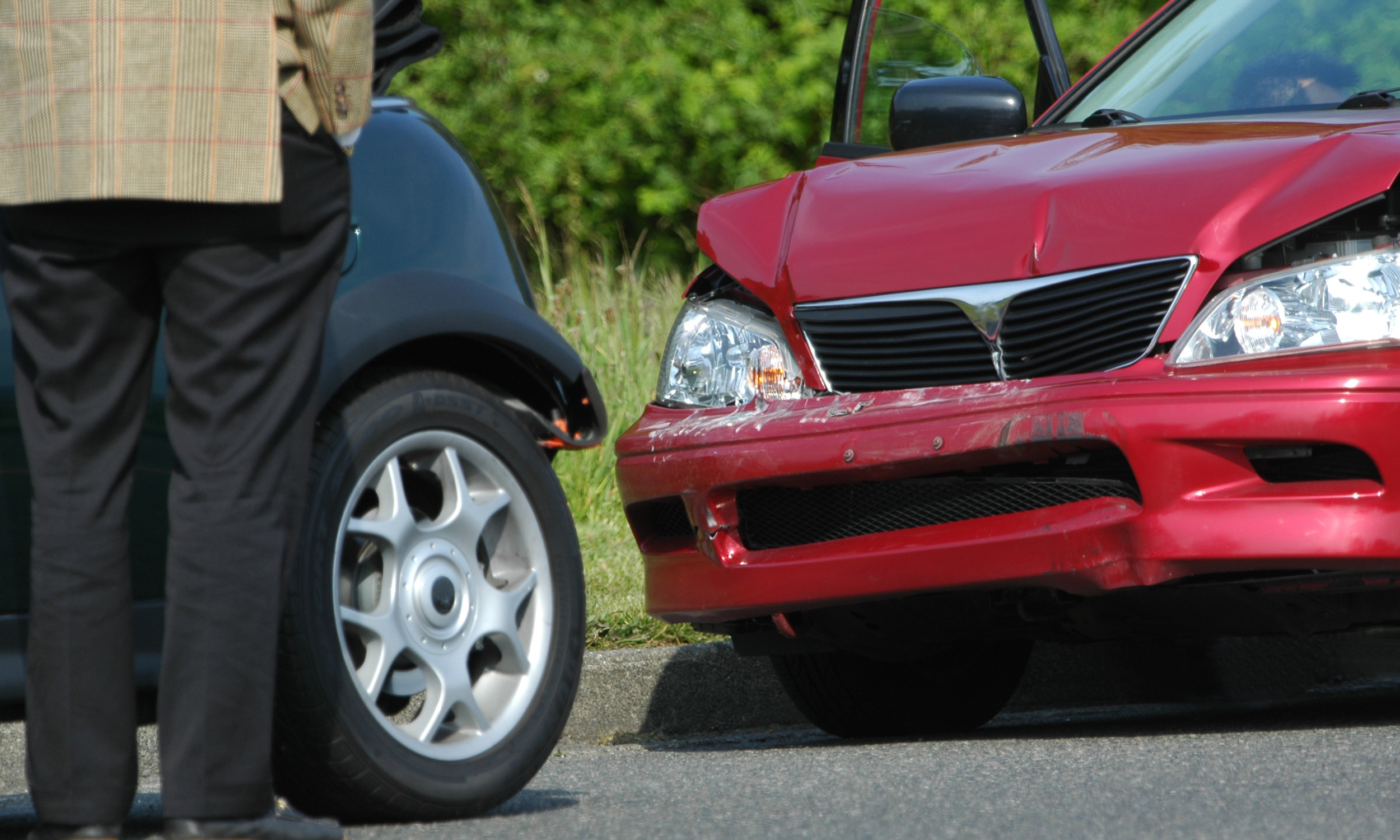
Top Mistakes People Make Directly After an Auto Accident

There is a lot of stress and confusion that may come when one gets involved in a car crash. It doesn’t matter whether it’s just a little knock or a serious accident; people can get stunned for some moments after the event, not being able to decide what is the next step. The city of Dallas has many busy roads where numerous accidents occur; as such one should know what to do. The first choices you make after the accident could affect your well-being, legal standing, or insurance compensation.
Unfortunately, many people make mistakes at this point which only serve to compound matters further. This blog post will point out some common innocent errors that individuals commit during car accidents and give advice on how to prevent them. Recognizing these minor errors will help you defend yourself legally, stay out of trouble, and recover more easily.
Mistake #1: Failing to Check for Injuries
One of the first things you should do when you have had an accident is to check yourself and others for injuries. Many people miss this step because they don’t feel normal. The shock and adrenaline may make one not to feel pain hence believing that he or she is free from any harm. It is important that you take a moment to evaluate yourself as well as other victims of the accident. Ask if everyone is okay and look for any evident injuries. Even if you don’t feel pain right away, it’s essential to call for medical help if there’s any doubt about your condition. In Dallas, where medical facilities are readily available, calling 911 should be one of your first steps. Emergency services can assess injuries on-site and help ensure that everyone gets the care they need. Remember, health should be your top priority after an accident.
Mistake #2: Not Calling the Police
It is also a common error to fail to involve the police after an accident. At times, one may not be in a position to call for help immediately especially when the accident appears not so serious. You might think it’s simple to solve things privately or you could fear for example increased insurance premiums and legal repercussions. Despite this, there are reasons why you should not call the police but it will be of no use. A police report is a critical document that is needed for both legal and insurance purposes if one gets involved in an accident. It gives an unbiased account of what happened and could prevent someone from being sued or having similar problems. This documentation is very important especially in areas such as Dallas, Texas where traffic is heavy. Even if everything appears okay, make sure you involve the police so that they can make their assessment and record all details correctly.
Mistake #3: Admitting Fault at the Scene
It is natural for a person to want to say sorry as soon as they realize that they are to some extent responsible for causing the accident. However, admitting guilt immediately after the accident is one of the gravest mistakes a person can make. The fact is that even an innocent word such as “sorry” could appear as though one has confessed his or her fault. Ideally, determination of liability comes after thorough investigations by the police, insurance adjusters and at times lawyers. At that particular moment you might not know that there are other things such as state of the road, mechanical faults or driver’s behavior which may make you innocent. Instead of discussing blame, stick to describing what happened in the accident. Provide your statement to the appropriate authorities, but make sure you do not leave behind any evidence that could be used against you in future legal or insurance matters.
Mistake #4: Failing to Gather Evidence
Even though almost everyone has a camera on their phone today, most people do not remember to take pictures after a car crash. One should gather evidence at the scene so as to be safe from any legal or insurance matters. It might not be possible to establish the truth without evidence. Make sure that you photograph the scene properly including all the damages on each car, every contributing road factor towards the crush and visible injuries amongst others. Take note of any witnesses around and make sure you get their contact information. Such evidence may greatly enhance your chances when claiming from the insurer or making your case in court. Documentation of this kind is crucial in Dallas, a city with high rates of accidents because it will shield you from liabilities and also ensure that you get paid for all damages suffered.
Mistake #5: Delaying Medical Attention
It is important to go to the doctor immediately after an accident, even if you feel fine. Some injuries like whiplash, concussions, internal damage and others may have symptoms that appear many hours later while some may take days. Postponing seeking medical attention places you at risk and weakens your legal position too. For example, the insurance companies might argue that the accident did not cause your injuries since you took a long time before going for treatment. Dallas has numerous medical facilities that are easily accessible; therefore, it is imperative for one to see a doctor when involved in any form of accident. Whether one goes to see a doctor at the hospital or they visit their primary care physician, it is important that they keep a record of being examined so that it can help in case they have to make any claims in future.
Mistake #6: Not Contacting Your Insurance Company Immediately
After car accidents, some people do not inform their insurance companies immediately. This may happen because they are too occupied or think that everything will turn out okay. Nonetheless, these delays can cost a lot. The truth is that most insurance policies oblige individuals to communicate any form of mishap within certain time frames. Failure to do this may cost you your claim. As such, make sure that you tell the truth only when calling your insurer and not lies that may backfire on you. Describe briefly, concentrate on the event of the accident and let liability be sorted out by the concerned authority. In Dallas, timely reporting is important because of the rigorous insurance laws; it could delay your claim processing and determine if you will receive payment under the policy.
Mistake #7: Accepting a Quick Settlement Without Legal Advice
Your insurance company might give you a quick settlement offer following an accident. Although it may appear as if taking the money and moving on is the best thing to do, there is a catch – one should not take such offers without first consulting with a lawyer. These fast offers are mostly very cheap and do not cover all the damages, especially those related to prolonged injuries or car damages. By taking the quick offer, you might leave some money behind or lose the right to claim additional compensation. The most appropriate action is to seek the services of a personal injury attorney before agreeing on any settlement. There are numerous respectable attorneys in Dallas who will provide free consultations so that you can know what options are available to you first. With legal advice, you will get what you rightly deserve without being preyed upon by insurers.
Conclusion
Depending on what you decide after a car crash, you may put your health, finances, and freedom in danger. This blog highlights some mistakes which, if avoided, for example not gathering enough evidence, going for medical check-up after a long time or accepting quick money without consulting a legal advisor, will keep you out of any further problems.
Don’t face this difficult time alone especially if you have had an automobile accident in Dallas in the recent past. For top advice ensuring your rights and favourable compensation under personal injury cases from specialized lawyers, call or follow us for a complimentary consultation today at Byron C. Bailey & Associates, PLLC. Let us assist you in getting back into the swing of things.