
How Truck Driver Fatigue Contributes to Serious Accidents

The US economy depends on truck drivers, with Dallas, Texas, serving as a good example of the busy transportation of commodities across different states. Long-haul drivers play a crucial role in the supply chain because trucks are needed to transport all kinds of commodities from one place to another. Nevertheless, this important duty also brings about a huge burden; that is, ensuring that the roads are kept safe and, at the same time, making timely deliveries. Tragically, one of the most dangerous menaces to road safety today is fatigue experienced by drivers of commercial vehicles.
It is a fact that many truck drivers suffer from fatigue, which can be very dangerous. The National Transportation Safety Board (NTSB) has found out through research that tired truck drivers cause a significant number of accidents every year. These crashes usually result in serious harm or even death to those involved. This post will discuss some causes of truck driver fatigue, its impact on road safety, and ways of avoiding such terrible events.
Understanding Truck Driver Fatigue
Truck driver fatigue is a condition characterized by physical and mental tiredness resulting from driving for long hours, having an irregular work schedule, and lack of enough sleep. Although everyone can be exhausted after a long day, the fatigue experienced by truck drivers is different and very serious, as it may lead to extreme sleepiness, which is unsafe. Such fatigue makes them unable to concentrate well, have slow reactions as well and compromise their judgment while driving.
This issue is caused by various reasons. A large number of delivery services are available for drivers; hence, they end up working for too long because they cannot afford to miss out on any business. In addition, the inconsistency in work timings, such that one is expected to drive late into the night or start very early in the morning, has been found to interrupt the sleeping habits of these drivers. Fatigue is worsened by sleeping illnesses such as sleep apnea; this makes the driver feel like he is at risk of sleeping even if he has had some rest.
According to studies conducted by NTSB, 30%-40% of crashes involving large trucks are attributed to driver fatigue. It is a worrying fact that such accidents claim many lives. Most of the time, crashes caused by tired truck drivers result in multiple car wrecks or serious harm to other motorists.
The Risks of Driving While Fatigued
When a driver is tired, it affects more than just his or her alertness; it hampers the overall ability to drive safely. Such truck drivers have reduced response rates when they are tired, and this may be all that is needed for them to avoid an accident but rather cause one. In addition, they suffer from impaired judgment, meaning that they will not be able to make the right decisions while driving, such as slowing down when the visibility is poor or seeing some hindrances on their way.
The above-stated factors of fatigue are compounded by its effect on the concentration required to drive along the vast Texas interstates. For many hours, the driver of a truck should keep eye on the road, monitor traffic, and adapt to different situations. Such fatigue undermines this, hence resulting in many accidents.
Many real-life examples show how dangerous fatigued driving can be. For instance, a tired truck driver who had driven for many hours without stopping fell asleep at the wheel and caused a pile-up in which some people died. This serves as a clear indication that one should never lose focus of attention since it might result in very harmful effects, especially in such cases where there are heavy goods vehicles. Due to fatigue, drivers lose control of trucks, leading to more rollover and multi-vehicle crash fatalities because they cannot react well in dangerous situations.
How Fatigue Affects Truck Driving Performance
It is common to hear that driving when one is too tired is as risky as driving while drunk. Research indicates that being awake for 18 hours leads to decreased cognitive function and decision-making comparable to a person with a BAC of 0. 05%, which is slightly below the legal alcohol level allowed in most states. If an individual stays awake for 24 hours, he or she will be as impaired as someone who has a BAC of 0. 10%, which is far above the legal limit. This just goes to show how unsafe it can be to drive while tired.
Fatigue not only affects the driver’s reaction time but also impairs his or her ability to make decisions and remain focused. A fatigued truck driver might fail to see important things like road signs, changing traffic patterns, or adverse weather conditions. The dull nature of their reflexes makes it difficult for them to avoid other motorists’ mistakes or cope with abrupt stoppages by vehicles travelling ahead.
In every sense, drowsy driving equals drunk driving in danger. An exhausted driver could have what are known as “micro-sleeps,” which are short and involuntary periods of inactivity where the individual loses conscious awareness for a couple of seconds. For example, on the highway, this could involve travelling for about three hundred feet without being able to see anything around and then failing to react properly upon encountering some obstacle at the end of that unseeing stretch. Such micro-sleeps form the basis of many accidents caused by fatigue, and once they reach a certain point, drivers can do little, if anything at all, to prevent them from occurring.
Regulations and Safety Measures
In order to fight off fatigue among truck drivers, strict rules have been put in place by the Federal Motor Carrier Safety Administration (FMCSA), known as the Hours of Service (HOS) regulations. These rules prescribe the maximum duration within which a driver should drive before resting and also require that he or she takes some rest between shifts. To illustrate, a driver is given a maximum of 11 hours to drive if he or she has rested for ten continuous hours; within the first eight hours of work, the driver should take a 30-minute break.
Nonetheless, although important in decreasing tiredness driving accidents, such rules are not always effective. The fact is that some drivers and companies may be forced to violate these rules because they have tight schedules for deliveries. On top of this, enforcement poses another problem since it is challenging for law enforcers to ensure that every driver follows HOS regulations.
It is also the duty of trucking companies to play their part in preventing fatigue. They should make sure that their drivers do not work too much, provide regular education about the risks of tiredness and carry out appropriate maintenance so that no unforeseen malfunctions increase driving time.
Solutions and Preventative Measures
Regulations play a crucial role in preventing fatigue among truck drivers. However, other measures can be taken to increase the safety of the roads. Drivers need to have good sleeping habits and make sure they rest enough between one shift and another. Taking breaks when driving for long distances, as well as not driving at times when one is likely to be very tired (for example, between midnight and 6 a.m.), can help drivers keep awake.
Technological advancements continue to offer solutions to reduce fatigue-related accidents. Most present-day trucks come with a driver attentiveness monitoring unit, which is able to sense if the driver is feeling sleepy by detecting when he sways off-lane or takes too long before making any maneuver. It sends a signal calling for a stop. On top of that, the development of automated driving assistance systems provides a way out for drivers over long, monotonous roads with little stress on them.
One other important thing is to ensure that there is a culture of safety within the trucking industry itself. This involves teaching drivers about the dangers of being tired, persuading them to rest before anything else, and making sure that safety comes before anything else in companies.
Conclusion
In case you or your family member is a victim of a truck crash that resulted from tired drivers, you must look for legal help as fast as possible. Due to this fact, most truck accidents result in serious injuries and many other legal issues for which one needs to be represented by an attorney. We have specialized in personal injury litigation cases at Byron C. Bailey & Associates, PLLC and we promise to guide you in securing your rightful compensation.
Act now! Reach out today for a no-obligation consultation. Follow us for updates on our insightful articles and services. Join hands with us so that we can protect your rights and ensure justice prevails.

Understanding Fault in Car Wrecks: Who’s Liable?

The busy roads of Dallas, Texas are driven through by numerous motorists daily. Although many trips pass without any problems, there are still some accidents. In the event of a car crash, the most immediate issue that arises is determining the party at fault. It is important to understand how fault is determined in car accidents so as to be able to make claims with insurers or institute legal proceedings. This blog post examines the complexities of establishing fault in Texan car accidents with a view to explaining how responsibility is apportioned and highlighting what motorists can do to safeguard their interests.
What is Fault in Car Accidents?
Fault in car accidents is the blame that one has for causing an accident. Texas follows a fault based system under which if a driver is found to be at fault in an accident, then he or she becomes liable for any monetary damages arising from such an accident including but not limited to medical expenses for the injured parties as well as damage to the vehicles and properties. For drivers in Dallas to have their claims processed correctly and determine who will pay for any damage, it is important that they understand this principle.
One of the key determinants of fault is negligence. Negligence refers to the failure by a driver to take reasonable care while driving. For example, this might occur if someone is speeding, goes through a red traffic signal or drives after consuming alcohol or drugs. In Texas, proving fault and recovering damages hinges on establishing negligence first.
Key Factors Influencing Fault Determination
When determining who is at fault in a car crash, there are many things that need to be taken into consideration including:
Compliance with Traffic Laws: It is very important for one to obey traffic laws. A person may be said to have been at fault if they cause an accident while breaking these rules. For example, hitting another car after driving past a stop signal can make the driver pay for it.
Driver Behavior: What drivers do or fail to do is also looked into before arriving at a conclusion on a liability issue. One of the major causes for this is distracted driving which occurs when a driver is using his or her cell phone to text message while driving. In such cases where it can be proved that one driver was not paying attention while the other was then all responsibility could lie with the distracted driver.
Evidence Collection: Post-accident evidence gathering is essential. This comprises taking police statements, photographing the scene and recording eyewitness accounts. These factors combined provide insight into the mechanics of the crash itself and serve to allocate legal blame.
Types of Negligence
The following are different forms of negligence which when well understood can help in determining liability:
Comparative Negligence: Texas uses a modified comparative negligence rule. This indicates that in case both parties have some mistake in the event of an accident, then their compensation may be adjusted depending on their percentage share. For instance, if you are determined to be 20% responsible for the $100,000 worth of damage in the crash, then your compensation might as well reduce by that proportion.
Contributory Negligence: In certain states, an individual may not recover any damages so long as he or she is found to be at fault in any way (even 1%). The good news for drivers in Texas is that this tough rule does not affect them; they can still recover damages as long as they are not more than 51% responsible.
Modified Comparative Negligence: Under this system, one can recover so long as his or her fault is less than 51%. When you cross this line, then it means that you cannot claim for any damages from the other party.
Determining Who is At Fault
Establishing who is at fault involves several steps:
Gathering Evidence: It is crucial to gather every supportive evidence immediately after the occurrence of any accident. This may comprise photographs on the state of vehicles and road, contact information for witnesses, as well as police reports describing what happened.
Consulting Legal Professionals: It is important to seek advice from a competent car accident lawyer who will help you in understanding the evidence and the complicated legal procedures.
Expert Analysis: For very complex situations like multi-vehicle pile-up, there may be a need for accident reconstruction experts to examine the scene and determine some issues about the collision.
The Role of Insurance Companies
In a fault based system in Texas, insurance companies are very important when it comes to establishing who should be held accountable for a car crash:
Investigation Process: To determine liability, insurance adjusters look at police reports and take statements from the drivers involved in the accident. From there, they assign percentages of fault.
Challenging Determinations: One should be very careful not just take at face value any determination made by an insurance company. In case you think that what they have assessed is not right or reasonable, then you can challenge it by adducing evidence which backs up your own side of the story.
Legal Proceedings and Fault Determination
If negotiations with insurance companies fail or if there’s significant disagreement over liability:
Filing a Lawsuit: You may need to file a personal injury lawsuit against the at-fault driver. In such cases, your attorney will present evidence demonstrating their negligence to seek compensation for your injuries and damages.
Court Proceedings: During court proceedings, both parties will present their cases before a judge or jury who will ultimately determine liability based on presented evidence.
Conclusion
Dallas drivers need to understand fault in car accidents so that they can make claims if they are involved in a crash. Knowledge of the Texas fault laws is crucial as it enables one to understand what should be done in case of an accident. Be safe, seek medical attention where necessary and most importantly gather all the relevant information about the accident before it is too late. To add on, seeking the services of a good lawyer will guarantee that one is compensated justly for any harm caused by another careless motorist.
If you or a loved one has been involved in a car accident and need legal assistance, Byron C. Bailey & Associates, PLLC is here to help. Our dedicated personal injury attorneys have the expertise to fight for the justice and compensation you deserve.
How to Handle a Car Accident Involving an Uninsured Driver

Dealing with car accidents is always hard and they could be more disturbing especially if the other driver is uninsured. In Texas, where almost everybody drives every day an uninsured driver can make a simple problem very complex. You not only think about your injuries and repairing your car but also how you will get back what you have lost if the other party is on the wrong side yet he cannot be able to pay you because he is not covered.
However, there are some provisions in the Texas law that can assist you in such cases of uninsured drivers. If you know what rights you have and follow some simple advice after such an event, then it should not hit you so badly from both sides – financial and emotional. This guide leads you through the post-accident steps for when the other driver involved does not have insurance, advising on actions to take for safeguarding yourself and ensuring that your rights are protected.
1. Stay Calm and Ensure Safety
It is important to stay calm after being involved in a car crash. Panicking may make things worse because it can result in errors. Concentrate on making sure that all parties are safe. If possible, move your vehicle to a safe location so as not to block the road or cause other problems, especially in busy areas like Dallas or Houston.
Assess yourself, your fellow travelers and any casualties for injuries. Some injuries like whiplash may fail to portray signs immediately even if everybody is feeling okay. In case of any injury or significant damage to property, call 911 for immediate help. According to Texas law, one must report an accident if it causes injury, death or property damage amounting to over $1,000. This document is important for insurance compensation and possible lawsuits.
2. Gather Key Information
It is important to gather correct details from the scene. To begin with, you should get the full names of the other driver, his contact information, and driver’s license number as per the Texas laws. On top of that, one should note down some details about the other person’s car such as make, model, colour and registration number. In case the driver does not cooperate or tries to escape, it is important to take any identifiers such as a VIN or a license plate.
Find and interview bystanders. Take their contacts because what they saw may help in determining liability. Photograph or record the following: property damage, roadways, traffic signals and any apparent physical harm to victims involved. Such supportive materials will add strength to your side of the story and facilitate settlement of arguments with insurance companies.
3. File a Police Report
It is important to always engage the police especially if the other driver does not have insurance. The police report is a fair record of what happened and can really help you when claiming from your insurance or in court. Tell the officer who comes that the other drivers is uninsured. Make sure that you stick to the facts and do not admit liability, which may have an impact on determining liabilities at a later stage.
4. Notify Your Insurance Company
Contact your car insurance provider as soon as possible to report the accident. Provide all the details you’ve gathered, such as witness statements, photos of the scene, and the police report. If your policy includes Uninsured Driver Coverage, it can help cover the costs of vehicle repairs and medical expenses resulting from the accident.
Your insurance company will walk you through the claims process and help determine the compensation you may receive. Keep in mind that filing a claim under this coverage could affect your premiums. To avoid surprises, review your policy thoroughly and consult with your insurer to understand the potential impact.
5. Explore Legal Options
Legal action may be thought of in case the driver who is not covered causes the accident. You have the option of suing the driver to compensate you for example by paying your hospital bills, wages which you lost and also pain encountered. Although, following this path may consume much of your time and there is no guarantee that you will recover anything especially if the driver is under insured.
By consulting a personal injury attorney, you can assess what to do. The law firm Byron C. Bailey & Associates, PLLC specializes in uninsured drivers cases and can help determine if it is better to file a claim or just use your own policy.
6. Prioritize Your Health
Even if you think that you are not hurt, it is important to see a doctor immediately. There are injuries that may take time before they show any signs but could cause severe problems if not attended to in good time. Keep a record of every medical treatment such as visits to the doctor, drugs taken and counseling. Such documents will be necessary when claiming compensation from the insurance company or suing someone in court.
7. Understand Financial Implications
Even when one has an insurance policy, they may still suffer some financial losses if they get involved in a car crash with one of those drivers who do not have covers. It is possible that you would be required to pay some deductible incase you claim under your UMC. On the other hand, in absence of UMC, one may end up paying for all repairs and medical bills.
Make sure that you always check your insurance policy so that you can guarantee that it is enough to protect you. When in doubt of what your policy covers, seek legal advice on how to best reduce any potential long-term financial liabilities.
8. Prepare for the Future
In order to be safe from drivers who do not have insurance, it is important that you think about including Uninsured Driver Coverage or Underinsured Driver Coverage in your motor insurance. These policies will give you financial support in case the person who has caused the accident is not able to pay for the damage done.
Be sure to familiarize yourself with Texas uninsured driver laws. Even though every driver in Texas is supposed to have at least a minimum liability insurance, many individuals fail to follow this. By knowing what is allowed by law and what can be offered by different insurances, you will become more experienced and prepared for such occasions that may happen again in future.
Conclusion
It may seem like too much when you have to deal with a car crash caused by someone who doesn’t have insurance. However, if you know what you should do first then it will all fall into place. These include staying calm and collecting appropriate data, as well as working through available insurance policies and recognizing legal remedies.
In such cases, one should not be overwhelmed by the event of an uninsured driver accident but take some measures to ensure his or her safety. Review your insurance policy, seek legal advice when necessary and most importantly ensure that you are safe and healthy. By taking these proactive steps, you will be able to face this difficult situation confidently.
If you need more help, talk to Byron C. Bailey & Associates, PLLC, a firm that can assist in evaluating your legal options and making sure you are compensated fairly.

What to Do After a Car Accident: Legal Steps for Protecting Your Rights
After a car accident, it’s crucial to take immediate steps to protect your legal rights. Prioritize safety by seeking medical attention and gathering evidence, such as photos and witness information. Notify the authorities and your insurance company without admitting fault, and consult a personal injury attorney to ensure fair compensation. Byron C. Bailey & Associates, PLLC can guide you through the legal process, fighting for your rights and helping you achieve a just settlement.
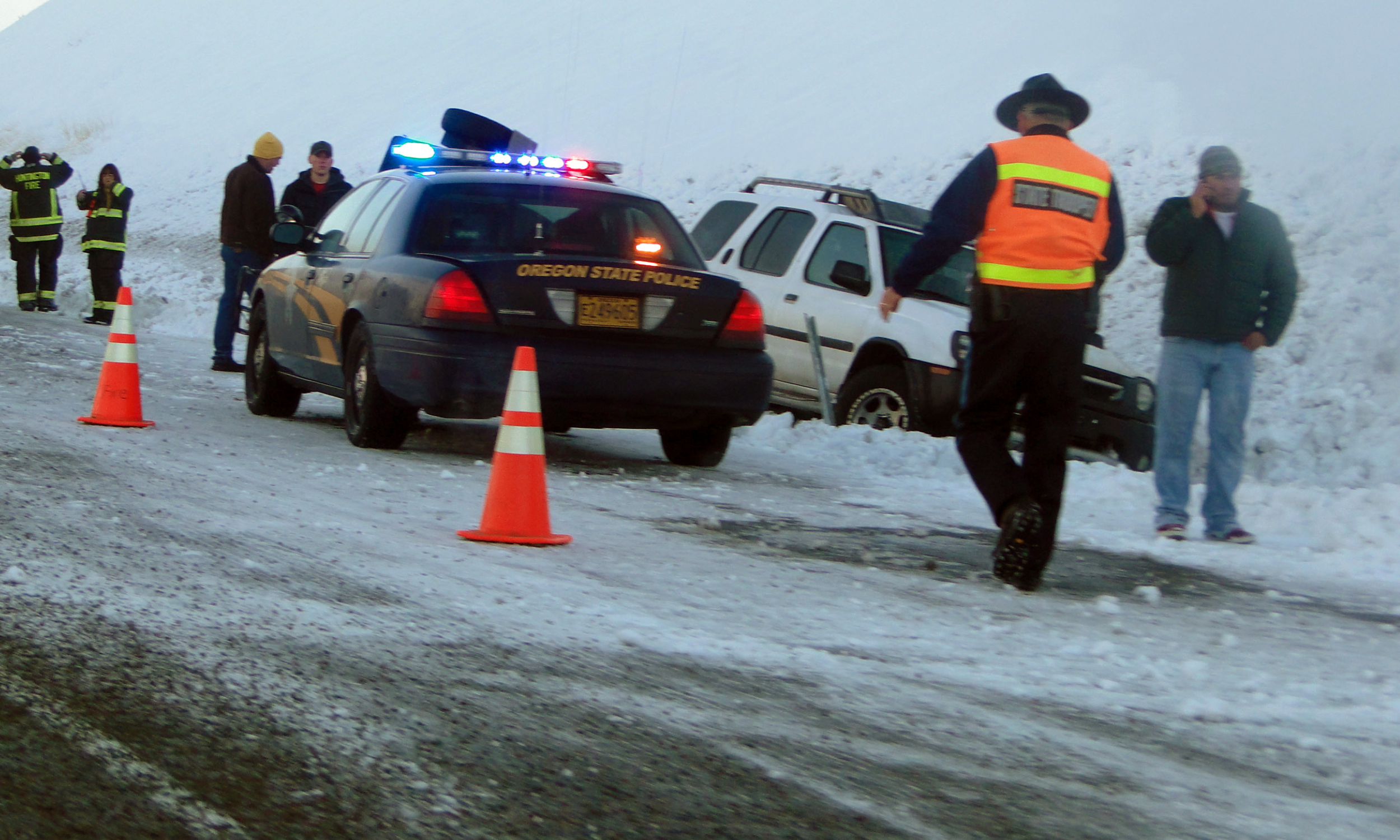
Car accidents are unpredictable and can occur even when we think everything is fine. Be it a little dent on the car or a major crush, taking appropriate actions right after the mishap is crucial for one to claim his/her right without being cheated, especially in Texas, where vehicular density in a metropolis such as Dallas has given rise to numerous accidents, one need to be ready all the time. This blog seeks to educate you on some fundamental legal steps that you should follow after being involved in a car accident so that you can assert your rights and know what you can do under the law.
Prioritize Safety and Medical Attention
Ensure everyone's safety first when you get involved in a car accident. If possible, drive your car away from the main road to prevent another accident. Safety comes first; hence call 911 immediately in case of anything, then see a doctor as soon as reasonably possible even if it is just for precaution. Even seemingly minor injuries should be examined without any delays for there are maladies that may not be immediately visible e.g. whiplash or internal injuries, and neglecting such issues may put your health at risk and create problems with getting compensation in the future.
Fast response is expected from emergency services within city limits, e. g,. Dallas, Texas. They will also be able to provide you with first aid once the paramedics come around. Should you have the physical capacity to do so, stay put until you see the traffic officer so that he can make his report after assessing what happened at the scene of the accident.
Gather Essential Information
The next course of action, after making sure that everyone is fine, is to gather enough details concerning the crash. Trade contacts with other drivers by providing names, phone numbers, addresses, DL numbers, and insurance details. Besides, one should note down some important information about the other cars, such as their make and model. When available, gather witness contact data, too, because it may help in case there is a debate on liability.
Apart from that, I also take pictures or record videos at the scene. Ensure that you document everything, including the position of the cars, damages on both cars, any noticeable hazard on the road such as skid marks or debris, and the weather condition. Such evidence may become vital in determining who was responsible for the accident and so on. In highly populated regions such as Dallas, where there are many car accidents on wide highways and small streets, this information will really be useful.
Report the Accident to Authorities
It does not matter how small the accident is. One should still call the police. In Texas, you have to make a report in any case where a person got injured or died or property destruction occurred, amounting to more than $1,000. The moment they arrive at the scene, they shall write down what took place, including accounts from drivers as well as eyewitnesses. This document may be very useful if you claim from the insurance companies or take legal action afterwards.
Should there be any inability of the law enforcers to get to the location due to one reason or another, then all is not lost; one can take advantage of technology by making an online report through the Texas Department of Transportation’s Crash Report Online Purchase System. An official account of the accident should be obtained so that there will be no problems in future times.
Notify Your Insurance Company
Notify your insurance company immediately once you have attended to the emergency that results from the accident. Reporting an accident within a specified period is a standard feature in most insurance policies, and one must comply with it for one's claim to be valid. Give your insurer basic information about the accident when you communicate with them, but remember not to admit fault through any statements.
The insurer is expected to request the police report, pictures, and other relevant information that you may have collected at the scene. On top of this, it would be wise to keep a copy of what you note down concerning the event and any witnesses, including other party contact details. Although in Texas, filing claims can sometimes be simple, having more proof will increase your chances of getting reasonable money for compensation.
Avoid Admitting Fault or Signing Any Documents
At the scene of an accident, people are usually very emotional, and it is only natural that they feel like saying sorry or giving their own account of the events. Nevertheless, even if one may think so, it is vitally important not to admit being wrong while on scene. In Texas, the principle of “comparative fault” is used, which means that you may receive less compensation for the accident if you are proven to share some level of blame for it. Instead of speculating about this issue, let the investigations take their course and reveal who was guilty.
Equally important is to avoid appending your signature on any paperwork handed over by the other driver or their insurer without first talking to an attorney. Putting down your signatures before time may prevent you from claiming any more money in compensation or damages.
Seek Legal Advice
Seeking the services of a personal injury attorney is one of the most important things that should be done following an accident, especially when a lot of damage has occurred or people have been injured. In Dallas, experienced car accident attorneys shall make you aware of all that you need to comprehend your rights and take you through complex legal procedures in claiming damages or lawsuits. The lawyer will also assist in engaging the insurance companies on matters like reasonable pay for your hospital bills, property damage compensations, and lost earnings, among other out-of-pocket costs.
Most of the time, you may receive an initial offer from the insurance company, which could be less than what you deserve; this is where the attorney comes in to help fight for your rights. The presence of legal representation can greatly influence the verdict if it comes to litigation.
Preserve Evidence for Your Case
Once you have taken the first steps, you should gather and store more evidence concerning the accident. Maintained detailed records of all medical treatments availed, highlighting doctors’ appointments, medicines prescribed, and physiotherapy sessions, among others. It is important that you also keep track of any wages or salary lost due to this injury and note down everything about how the injury has affected your day-to-day activities, like did it caused discomfort or embarrassment, whether there was anything that limited what one could normally do, etc.
This information will serve as tangible proof of the damages claimed. In Texas, being meticulous in preserving such evidence strengthens your position for settlement or litigation under Texan law.
Understand Your Legal Rights and Options
Lastly, one is required to know what he or she is entitled to under the law following a car crash. Under Texas laws, victims of accidents have a right to be compensated for various types of harm, which may include medical expenses, property damage, and lost salaries/wages,s among others like pain and anguish. On top of that, the state of Texas has put a limit on how long such cases can be filled, which stands at two years in this situation but can vary from one state to another, so acting with urgency is important.
The lawyer you hired will guide you in determining the extent of your damages and the appropriate steps to take. Sometimes, an out-of-court settlement could offer justice; however, failure to reach an agreement may lead to lawsuits that are designed to uphold one’s rights and secure fair compensation.
Conclusion
Byron C. Bailey & Associates, PLLC acknowledges that a car crash could transform your life, and therefore, it is important to move with speed in order to preserve your entitlements. We have a competent team that will help you go through the legal process and make sure that you get what is rightfully yours. Act now and take charge of your fate today. In case you require assistance in negotiating compensation or filing a lawsuit, then rest assured that we shall offer you the best of our services through our experienced lawyers, who are always there to fight for your rights.
Reach out to us for an appointment or follow us online for updates about your rights. By subscribing to our newsletter, you will receive expert advice and information regarding personal injury law so that you can progress with certainty.

Top Causes of Truck Accidents in the US
Truck accidents are a serious concern in Texas, where large commercial vehicles share long stretches of road with other motorists. Factors like driver fatigue, distracted driving, speeding, and poor vehicle maintenance contribute significantly to these crashes. By addressing these issues and promoting safe driving practices, the risks can be reduced, making Texas highways safer for everyone.

Truck safety is a critical issue on highways across the United States, particularly in states like Texas, where long stretches of road are often shared with large commercial vehicles. In Texas, trucks are essential for transporting goods across the country, but their size and weight make accidents involving trucks far more dangerous than standard car collisions.
The 2023 Global Status Report on Road Safety highlights the magnitude of road traffic fatalities worldwide. It examines the progress made in implementing laws, strategies, and actions aimed at reducing them. Raising awareness about the leading causes of truck accidents is crucial. This is a key step in lowering these numbers and ensuring road safety.
Driver Fatigue
Driver fatigue impairs a trucker's ability to react quickly, increasing the risk of serious accidents. Strict Hours of Service regulations aim to prevent exhaustion, but some drivers violate these rules, putting everyone on the road in danger.
The Impact of Exhaustion
Exhausted drivers may struggle to make quick decisions, which can lead to fatal accidents. For instance, a driver on a long-haul route from Dallas to El Paso may drift off briefly due to fatigue, causing the truck to swerve off the road or into another lane. This kind of accident can happen in seconds and is particularly dangerous, given the size and weight of the vehicle.
Hours of Service Regulations
To combat this issue, the Federal Motor Carrier Safety Administration (FMCSA) enforces Hours of Service (HOS) regulations, limiting the number of hours a trucker can drive before taking a mandatory rest. However, compliance with these rules is often a challenge. Some drivers falsify their logbooks to stay on the road longer, increasing the risk of accidents. In Texas, as in other states, it’s essential for trucking companies to prioritize safety over speed and profit.
Distracted Driving
Distracted driving is another major cause of truck accidents. Just like any driver, truck operators are susceptible to distractions, including using mobile phones, GPS devices, eating, or even adjusting the radio. Unlike smaller vehicles, trucks take longer to slow down and stop, making even momentary distractions more dangerous.
When a truck driver takes their eyes off the road, even for a few seconds, the consequences can be catastrophic. For example, imagine a trucker driving along I-35 through Dallas gets a text message and glances down at their phone. In those few seconds, the truck could easily rear-end a vehicle ahead, especially during rush hour. These kinds of distracted driving incidents have become all too common, leading to severe accidents.
Speeding and Reckless Driving
Pressure to Meet Deadlines
Truck drivers are often under immense pressure to deliver goods on time, which can lead to speeding. When a truck exceeds the speed limit, the risk of an accident increases dramatically. Large trucks take longer to stop, and speeding reduces the driver’s ability to react to changes in road conditions or traffic.
Challenges of Controlling Large Trucks
At high speeds, a truck becomes much harder to control, especially on Texas highways like I-30 or I-20, which see heavy truck traffic. A driver who loses control of their vehicle can easily cause a chain reaction of crashes, especially in busy areas around Dallas and Fort Worth.
Poor Vehicle Maintenance
Truck accidents are also caused by mechanical breakdowns. Failure to rectify brake faults burst tires, and engine breakdowns could easily cause fatal accidents. Truck companies are legally required to take care of their fleets. However, if they fail to carry out routine inspections, then they might as well be preparing for a catastrophe.
Importance of Maintenance
In Texas, where long stretches of highway can go on for miles, a truck breaking down on a remote road can lead to deadly accidents.
Prevention of Mechanical Failures: Regular maintenance ensures that critical truck components, such as brakes and tires, are functioning properly, reducing the risk of accidents caused by mechanical failures.
Increased Road Safety: The long stretches of highways in places like Texas can be very unsafe when one does not take care of his or her car well enough, leading to a breakdown or failure, especially in some isolated parts.
Avoidance of Catastrophic Accidents: For example, on highways around Austin, a truck with worn-out brakes may fail to stop while moving downhill, and this could lead to multiple deaths in a crash.
Compliance with Legal Standards: By carrying out routine inspections and maintenance work, drivers follow the law on the roads and also protect themselves and their employers from possible legal consequences under state or federal legislation if an accident occurs.
Cost Savings: Regular maintenance helps prevent expensive repairs, reduces downtime, and avoids costly accidents for trucking companies.
Inclement Weather Conditions
The weather in Texas is unpredictable, posing risks for drivers due to heavy rains, ice storms, and fog. Such conditions are more perilous when oversized trucks are concerned. Hydroplaning may occur on wet roads; besides, trucks may experience problems stopping or changing their course because of ice and snow.
Challenges of Driving in Bad Weather
During the winter season, truck drivers in Dallas might have to deal with unexpected thunderstorms or ice on the road. It becomes difficult to manage big vehicles under such conditions, and if drivers do not increase their speeds or maintain safe stopping distances, there could be accidents.
Tips for Safe Driving
It is recommended that truck drivers reduce their speed, increase the distance between them and other vehicles, and refrain from making sudden turns, especially on highways such as I-635 in Dallas, which experience quick changes in weather.
Inadequate Training and Experience
The Role of Driver Education
Although all truck drivers need to be well trained, some of them are not taught what they require before starting to drive. Those drivers who do not have experience may be unaware of the techniques required to control such a massive apparatus, and this ignorance could cause some mishaps.
Higher Accident Rates for New Drivers
The state of Texas has a lot of truck drivers, and this makes it difficult for new ones who may not be able to reverse, turn properly or move well when the weather is bad. The risk of such inexperienced drivers causing accidents is even higher, especially in busy metropolitan areas such as Dallas.
Driving Under the Influence (DUI)
The trucking industry takes driving while intoxicated very seriously. A drunk driver has poor judgment and cannot control the vehicle effectively. It becomes even more dangerous when such a driver is at the wheel of a truck.
Texas has very strict DUI laws, which are fully enforced; if a truck driver is found driving under the influence, he may lose his commercial driving license, among other heavy penalties. Although this is so, many drivers still take alcohol and end up causing accidents involving trucks.
Improper Loading of Cargo
To guarantee safety on the road and avoid accidents, loads must be well secured. When cargo is not secured or is improperly loaded, it may move while being transported. This can cause the vehicle to be unstable, roll over or collide with other vehicles on the road. Apart from posing a danger to the drivers and other road users, this may also lead to other problems like damaged goods, lawsuits, and expensive repair costs for both individual drivers and companies.
Risks of Overloading
Truck drivers in Texas often move very heavy goods over long distances. When a truck is overloaded, or the weight is not spread properly, it may blow out the tyres, the brakes may fail, and the vehicle can become uncontrollable. To avoid these risks, some laws govern the maximum weight allowed, as well as how loads must be positioned and maintained through frequent checks; these apply to all trucking companies and drivers.
Conclusion
Truck accidents pose significant risks on highways, especially in states like Texas, where commercial trucking is a vital part of the economy. By addressing key factors such as driver fatigue, distracted driving, vehicle maintenance, and proper cargo loading, we can reduce the occurrence of these devastating accidents. If you or a loved one has been injured in a truck accident, Byron C. Bailey & Associates, PLLC, is here to help.
Contact us today for expert legal advice, and follow or subscribe to our updates for more safety tips and legal guidance.

What to Do Immediately After a Truck Accident
After a car accident, it’s crucial to take immediate steps to protect your legal rights, especially in high-traffic areas like Dallas, Texas. Prioritize safety and medical attention, gather essential details such as witness information and photos, and report the accident to the authorities. Notify your insurance company and avoid admitting fault or signing any documents without legal counsel. Seeking advice from a personal injury attorney ensures you navigate the complexities of Texas law and secure fair compensation for damages and injuries.

Truck accidents are very serious and may lead to massive destruction, critical wounds or even deaths. Texas is one of the states with heavy traffic due to these long vehicles on its roads; hence, it experiences many lorry crushes, which are very hazardous because of their sizes and weights. In case you have ever engaged in a motor crash involving a lorry, first of all, you should keep calm and then do what?
The answer is simple – follow some easy rules that will guarantee your safety, prevent any violations of law from occurring, as well as ensure gathering evidence needed both for insurance purposes and probable lawsuits. Knowledge of the immediate steps to take after being involved in a truck accident could determine how well you heal physically, emotionally, and financially.
Ensure Safety First
Safety comes first in every accident. In case of a minor crash and you are not seriously injured, it is important that you move your car to the side so that it does not block the way for other drivers, who may also end up causing more accidents. When on a busy highway or road, turn on your hazard lights to make other motorists aware that you have been involved in an accident. This will stop other cars crashing into you and give you space to think about what to do next.
After ensuring that you are out of any immediate danger, the next step is to look for any form of injuries, yours as well as those of the other victims. Even if you feel okay at first, being in a car crash can make your body produce a lot of adrenaline, which will hide pain for some time. One can fail to recognize some common injuries, such as whiplashes or internal bleeding.
If there are any indications of fire, fuel spills, or any other form of danger, leave the place at once and keep yourself safe away from it. Unless someone’s life is in immediate danger, avoid trying to move a person who looks seriously injured.
Call Emergency Services
Calling 911 is crucial in ensuring fast response from emergency personnel like police, ambulances, and firefighters at the scene of a truck accident. The role of the police will be to record what happened, make an official report, and inquire about the cause of the crash. For this reason, the report is very important for insurance and legal matters.
Be sure to give all necessary details when calling 911. These may include your location, how many cars are involved, and if there are any casualties. The more accurate and precise you are, the faster the emergency services will arrive. Keep your phone switched on and stay where you can be seen if you cannot talk so that it is easy for the paramedics to locate you immediately.
Seek Medical Attention
It is important to see a doctor immediately after the accident, even if you think that you are okay. The reason for this is that some injuries, particularly those affecting soft tissues, e.g., whiplash, may not produce immediate symptoms but get worse with time. By doing this, one will be able to identify any concealed injuries and come up with a treatment plan with the help of a medical professional.
On top of that, going for a medical examination after involvement in a truck mishap gives rise to medical records, which are crucial when one wants to make compensation claims. Your claim could be reduced by the insurance company if they see that you have not received any medical attention after the accident. Be sure to have every little ache and pain checked out by a doctor; this will guarantee that you stay healthy for years to come and also prevent any possible legal issues on your part.
Document the Scene
After you have been attended to by the emergency services and received medical treatment, it is important to gather information concerning the accident. If possible, photograph the scene comprehensively; this should include damages on every car, any road skid marks, and other related road attributes from different views. Such photos will play a crucial role in determining liability in your lawsuit.
On top of that, make sure you get statements from witnesses and their contacts, too. Eyewitnesses are essential in strengthening your side of the story and may give some important facts that are not obvious from the police report alone. Don’t forget to note down the truck’s registration number, the company that owns it, and any unique features on the lorry. In case there are other automobiles present, ensure that you take down similar details concerning their drivers, too.
Exchange Information with the Truck Driver
Afterwards, communicate with the lorry driver. Ensure that you gather his/her name in full, telephone contact, driving permit number, insurance particulars, and the firm he/she is working for. On top of this, take note of the truck’s number plate and see if there is any damage to the vehicle.
Although it is crucial to share such information, one should be careful not to admit liability or say anything that may suggest they are responsible for the accident just yet. The truth is that any form of admission can turn against you in a personal injury claim lawsuit. So, just collect all the needed information and leave it for now until the insurance companies and police establish what happened.
Avoid Making Statements That Could Hurt Your Case
One should be careful about what they say after an accident involving a truck. It is important that one does not admit liability, say sorry, speculate on the events leading to the accident or even admit partial liability. Anything said can be used against them by insurance companies and legal teams. Equally important is that one should not give any written or recorded statements to insurance adjusters before talking to a lawyer.
It is advisable that one waits until he has talked with a personal injury lawyer before speaking to the insurance adjusters. The adjusters might want to pay you less money by arguing that you were at fault or even denying your compensation using your own words against you. This will ensure that you have someone looking out for your best interests throughout the process.
Contact a Lawyer
Truck accident cases in Dallas, Texas, are usually complicated. They touch on issues such as responsibility, laws governing trucking companies, and insurance claims. Therefore, one should act very fast to hire a competent personal injury lawyer. This legal expert will gather evidence about the accident, negotiate with the parties concerned, and ensure that you get fair compensation from the insurer.
Your attorney will make sure that you know what choices you have under the law and see to it that you get paid back for any injuries, including but not limited to pain and suffering, medical bills, and lost wages. It may seem difficult to deal with a case of a truck accident, but if you have someone knowledgeable about Texas laws on your side, then everything will go smoothly and efficiently.
Report the Accident to Your Insurance Company
After getting medical attention, speaking with a lawyer and informing the insurance company about the accident, one should take the following steps. It is important to file your claim promptly so that you can be certain that all damages and injuries will be covered under the policy in question. When calling your insurer, let them know about the accident, but don’t say too much. First of all, speak with your attorney before saying anything to them.
Make sure that you document all communication with your insurance provider, for example, emails, letters, and texts, among others. This information will be useful in determining whether or not you had coverage and if any follow-up is needed.
Conclusion
What you do after a truck accident is very important in ensuring that you stay safe, healthy, compensated and secure. First of all, ensure your safety, call for help, gather evidence, and then talk to an experienced lawyer. These are not simple matters, and it may be difficult for you to move forward with your case because of the legal issues involved. You may not have a competent attorney at law who can also deal effectively with any insurance company problems.
In case you or someone else has had a truck crash in Dallas, Texas, today is the day – call Byron C. Bailey & Associates, PLLC now! Follow and subscribe to stay informed and get the legal support you deserve!

Slip and Fall Cases: How to Prove Negligence and Win Your Claim
Slip and falls are more common than you think. Discover what evidence is needed to prove negligence and how our firm can help you navigate these tricky cases to get the compensation you deserve
Slip and fall accidents can happen anywhere—at a grocery store, in a parking lot, or even at a friend’s house. While some falls result in minor injuries, others can cause serious harm, leading to expensive medical bills, lost wages, and long-term pain and suffering. If you've been injured in a slip and fall accident, proving negligence is key to winning your claim and getting the compensation you deserve. This guide will walk you through the process of proving negligence in a slip and fall case and how our firm can help you navigate these tricky situations.
Understanding Slip and Fall Cases
Slip and fall cases are a type of personal injury claim where an individual is injured due to a hazardous condition on someone else's property. Property owners have a legal obligation to maintain their premises in a reasonably safe condition and to warn visitors of any known dangers. If they fail to do so, they may be held liable for injuries that occur as a result.
What Is Negligence in a Slip and Fall Case?
To win a slip and fall case, you must prove that the property owner or occupier was negligent. Negligence means that the owner failed to take reasonable steps to prevent or address a dangerous condition. To establish negligence, you must demonstrate the following elements:
Duty of Care: The property owner had a legal duty to keep the premises reasonably safe for visitors.
Breach of Duty: The owner breached that duty by failing to maintain the property, fix a dangerous condition, or provide adequate warning of the hazard.
Causation: The breach of duty directly caused your slip and fall accident.
Damages: You suffered injuries and other losses as a result of the accident.
Common Causes of Slip and Fall Accidents
Slip and fall accidents can result from various hazardous conditions, such as:
Wet or slippery floors (e.g., spills, rain, snow, or ice)
Uneven surfaces (e.g., cracked sidewalks, potholes, or broken tiles)
Poor lighting in stairwells, hallways, or parking lots
Obstructed walkways (e.g., debris, cables, or clutter)
Inadequate maintenance (e.g., loose handrails, damaged steps, or worn carpeting)
What Evidence Do You Need to Prove Negligence?
Gathering strong evidence is crucial for proving negligence in a slip and fall case. Here’s what you need to build a compelling case:
Photographic Evidence: Take photos of the accident scene immediately after the fall, capturing the hazardous condition (e.g., wet floor, broken step, poor lighting) and any visible injuries you sustained.
Witness Statements: Obtain contact information from anyone who witnessed the accident. Witnesses can provide valuable testimony about the conditions leading to your fall and the property owner's negligence.
Incident Report: Report the accident to the property owner or manager and ask them to complete an incident report. Request a copy of the report for your records, as it may include important details about the accident.
Medical Records: Seek medical attention right away, even if your injuries seem minor. Medical records provide documentation of your injuries, their severity, and the treatment you received, which are critical for proving damages.
Surveillance Footage: If the accident occurred in a location with security cameras, request access to any footage that captured the incident. This can serve as powerful evidence of the hazardous condition and the property owner's failure to address it.
Maintenance Records: Obtain records from the property owner regarding the maintenance and repair of the area where the accident occurred. These records can reveal whether the owner knew about the dangerous condition and failed to fix it in a timely manner.
How to Prove Negligence in a Slip and Fall Case
To prove negligence, you must establish that the property owner was aware of—or should have been aware of—the dangerous condition that caused your accident and failed to take reasonable steps to fix it. Here are some strategies to strengthen your case:
Show the Owner's Knowledge: Prove that the property owner or occupier knew about the dangerous condition and did nothing to correct it. This can be done through witness statements, maintenance records, or incident reports.
Demonstrate Reasonable Care Was Not Taken: Argue that the owner did not take reasonable steps to prevent the accident. For example, if the owner failed to place warning signs around a wet floor or repair a broken step promptly, they may be considered negligent.
Establish the Condition Existed Long Enough: Show that the dangerous condition existed for a sufficient period, giving the property owner a reasonable opportunity to discover and address it. This may involve surveillance footage or witness testimony.
Highlight a Violation of Building Codes: If the hazardous condition violates local building codes or safety regulations, this can strengthen your case by showing that the owner neglected their legal responsibilities.
Common Defenses Used by Property Owners
Property owners may use several defenses to avoid liability in slip and fall cases, including:
Lack of Knowledge: Claiming they were unaware of the hazardous condition and therefore could not have reasonably addressed it.
Comparative Negligence: Arguing that the injured person was partly at fault for the accident (e.g., not paying attention or ignoring warning signs).
Reasonable Care: Asserting that they took reasonable steps to maintain the property and prevent accidents, such as placing warning signs or cleaning spills promptly.
Why Choose Byron C. Bailey & Associates?
At Byron C. Bailey & Associates, we understand the complexities of slip and fall cases and the challenges of proving negligence. Our experienced team is dedicated to helping you gather the evidence needed, build a strong case, and fight for the compensation you deserve. Contact us today for a free consultation to discuss your case and learn more about your legal options.
Conclusion
Slip and fall accidents can have serious consequences, but proving negligence is the key to winning your claim and obtaining the compensation you need for your recovery. By understanding the evidence required and the strategies for establishing liability, you can take the first step toward justice.
If you or a loved one has been injured in a slip and fall accident, don’t wait—contact Byron C. Bailey & Associates today for expert legal guidance. Call us at 214-223-6400 or fill out our online form to schedule your free consultation.

Understanding Rideshare Accidents: Who’s Liable, and What Are Your Rights?
Were you in an Uber or Lyft accident? Learn who is liable in rideshare accidents and what your rights are. Protect yourself with this comprehensive guide.

Ridesharing services like Uber and Lyft have revolutionized transportation, offering convenience and affordability. However, with more rideshare vehicles on the road, accidents involving these services are becoming more common. If you find yourself involved in an Uber or Lyft accident, you may wonder who is liable and what your rights are. Determining liability in rideshare accidents can be complex, but understanding your legal rights is crucial to protecting yourself and securing the compensation you deserve.
Who is Liable in a Rideshare Accident?
Liability in a rideshare accident can depend on several factors, including the circumstances of the accident and the specific policies of the rideshare company. Here are the key players who may be held liable:
The Rideshare Driver: If the rideshare driver is at fault, their personal auto insurance and the rideshare company’s insurance policy may provide coverage. However, the level of coverage depends on the driver’s status at the time of the accident:
Not Logged into the App: If the driver is not logged into the rideshare app, only their personal auto insurance applies.
Logged into the App, No Passenger: If the driver is logged into the app but has no passenger, the rideshare company provides limited liability coverage.
With a Passenger or On the Way to Pick Up a Passenger: If the driver is transporting a passenger or en route to pick one up, the rideshare company typically provides up to $1 million in liability coverage.
Another Driver: If another driver caused the accident, their auto insurance would typically cover the damages. In this case, you may need to file a claim against the at-fault driver’s insurance to recover compensation for your injuries and other losses.
Rideshare Company: Uber and Lyft classify their drivers as independent contractors, not employees. This distinction can affect liability. However, both companies carry insurance policies that may provide coverage in certain situations. Understanding the nuances of these policies is essential for determining liability and seeking compensation.
What Are Your Rights After a Rideshare Accident?
Being involved in a rideshare accident can be overwhelming, but knowing your rights can help you navigate the aftermath effectively. Here are some of the key rights you have:
Right to Compensation: You have the right to seek compensation for your injuries, medical expenses, lost wages, pain and suffering, and other damages. This may involve filing a claim with the at-fault driver’s insurance, the rideshare company’s insurance, or both.
Right to Medical Treatment: Your health and safety should be your top priority. Seek medical attention immediately after the accident, even if you do not feel seriously injured. Some injuries may not show symptoms right away but can worsen over time. Document all medical visits, treatments, and expenses, as these records will be crucial for your claim.
Right to Legal Representation: You have the right to consult with a personal injury attorney to understand your legal options and protect your interests. An attorney can help you navigate the complexities of rideshare accident claims, negotiate with insurance companies, and represent you in court if necessary.
Right to Evidence Collection: Collect as much evidence as possible at the accident scene, including photos of the vehicles, road conditions, traffic signals, and any visible injuries. Obtain contact information from witnesses, the rideshare driver, and any other drivers involved. A detailed record will strengthen your claim.
Steps to Take After a Rideshare Accident
Knowing what to do after a rideshare accident can make a significant difference in the outcome of your claim. Here are the steps you should take:
Ensure Safety and Call 911: Immediately check for injuries and call 911 for medical assistance if needed. Make sure to move to a safe location and wait for the police to arrive.
Report the Accident to the Rideshare Company: Use the Uber or Lyft app to report the accident. Both companies have a process for handling accidents, and reporting it promptly can help establish a record of the incident.
Seek Medical Attention: Even if you feel fine, get a medical evaluation. Some injuries, such as whiplash or internal injuries, may not present symptoms immediately but can cause serious complications later.
Consult a Personal Injury Attorney: Navigating a rideshare accident claim can be complicated. An experienced personal injury attorney can help you understand your rights, determine liability, and pursue the compensation you deserve.
Common Challenges in Rideshare Accident Claims
Rideshare accidents involve unique challenges that can complicate the claims process:
Multiple Insurance Policies: Determining which insurance policy applies can be confusing. The rideshare driver’s personal insurance, the rideshare company’s policy, and the at-fault driver’s insurance may all be involved. An attorney can help you navigate this complexity.
Independent Contractor Status: Because rideshare drivers are classified as independent contractors, Uber and Lyft often try to distance themselves from liability. Understanding how to hold the rideshare company accountable requires a nuanced legal strategy.
Insurance Company Tactics: Insurance companies, including those of the rideshare company, may try to minimize payouts by disputing liability, downplaying injuries, or offering quick settlements. An attorney can advocate on your behalf and counter these tactics.
Why Choose Byron C. Bailey & Associates?
At Byron C. Bailey & Associates, we understand the complexities of rideshare accident cases. Our team has experience handling claims involving Uber, Lyft, and other rideshare companies. We are committed to helping you navigate the legal process, protect your rights, and secure the maximum compensation you deserve. Contact us today for a free consultation to discuss your case and learn more about your options.
Conclusion
Rideshare accidents can be complex, but understanding who is liable and knowing your rights can make a significant difference in your recovery and compensation. By following the steps outlined in this guide, you can protect yourself and build a strong foundation for your claim.
If you or a loved one has been involved in a rideshare accident, don't wait—contact Byron C. Bailey & Associates today to get the legal support you need. Call us at 214-223-6400 or fill out our online form to schedule your free consultation.

What To Do After a Car Accident: A Step-by-Step Guide
Learn what to do after a car accident with this step-by-step guide. Protect your rights, ensure your safety, and get the compensation you deserve
What To Do After a Car Accident: A Step-by-Step Guide
Getting into a car accident can be a frightening and overwhelming experience. In the moments following a collision, it’s easy to feel unsure of what to do next. However, taking the right steps immediately after an accident can make all the difference in ensuring your safety, protecting your rights, and securing the compensation you deserve. This guide will walk you through the crucial steps to take after a car accident to help you navigate the process confidently.
Step 1: Ensure Safety First
Your safety and the safety of others should be your top priority immediately following a car accident. If you are able, move your vehicle to a safe location, away from traffic. Turn on your hazard lights to alert other drivers. If you or anyone else is injured, call 911 for emergency medical assistance right away.
Step 2: Call the Police
It’s essential to report the accident to the police, even if it seems minor. A police report is a critical piece of evidence that will document the details of the accident, which can be crucial for insurance claims and any potential legal actions. When the police arrive, provide a factual account of what happened but avoid admitting fault or speculating about the cause of the accident.
Step 3: Document the Scene
Collect as much information as possible at the accident scene. Take photos and videos of:
All vehicles involved, including any damage.
The accident location, including road conditions, traffic signs, and any skid marks.
Your injuries and any visible injuries to others involved.
Exchange contact and insurance information with the other driver(s), and gather contact information from any witnesses. Detailed documentation can be invaluable when filing an insurance claim or pursuing legal action.
Step 4: Seek Medical Attention
Even if you don’t feel seriously injured, it’s essential to see a doctor as soon as possible after the accident. Some injuries, like whiplash or concussions, may not show symptoms immediately but can cause significant problems later. A medical evaluation not only ensures your health but also provides medical records that can support your claim.
Step 5: Notify Your Insurance Company
Report the accident to your insurance company promptly. Provide them with all the information you collected, including the police report, photos, and witness contact details. Be honest and factual, but avoid speculating or admitting fault. Remember, your insurance company may not always have your best interests in mind, so consider consulting with a personal injury attorney before giving a recorded statement.
Step 6: Consult with a Personal Injury Attorney
Navigating the aftermath of a car accident can be complex, especially when dealing with insurance companies and potential legal claims. Consulting with an experienced personal injury attorney, like those at Byron C. Bailey & Associates, can help protect your rights and ensure you receive the compensation you deserve. We can handle communications with insurance companies, gather evidence, and represent your interests to maximize your recovery.
Step 7: Keep a Record of All Expenses and Losses
Keep a detailed record of all expenses related to the accident, including:
Medical bills and treatment costs.
Repair or replacement costs for your vehicle.
Lost wages or income due to time off work.
Any other expenses incurred because of the accident, such as transportation or childcare.
Having a comprehensive record of all expenses will help your attorney calculate the full extent of your damages and build a stronger case for compensation.
Step 8: Follow Through with Medical Treatment
It is vital to follow through with all medical treatments, appointments, and therapies recommended by your healthcare provider. Not only is this crucial for your recovery, but it also demonstrates that you are taking your injuries seriously. Insurance companies may use gaps in treatment as an excuse to reduce or deny your claim.
Why Choose Byron C. Bailey & Associates?
At Byron C. Bailey & Associates, we specialize in helping car accident victims navigate the complexities of personal injury law. With years of experience and a deep understanding of how insurance companies operate, we are committed to securing the compensation you deserve. Contact us today for a free consultation to discuss your case and learn more about your legal options.
Conclusion
Car accidents are stressful, but knowing what steps to take can make a significant difference in your recovery and your ability to secure compensation. By following this step-by-step guide, you can protect your rights, ensure your safety, and build a strong foundation for your case.