

Who Is Liable for a Rideshare Accident in Texas?
Who Is Liable for a Rideshare Accident in Texas?
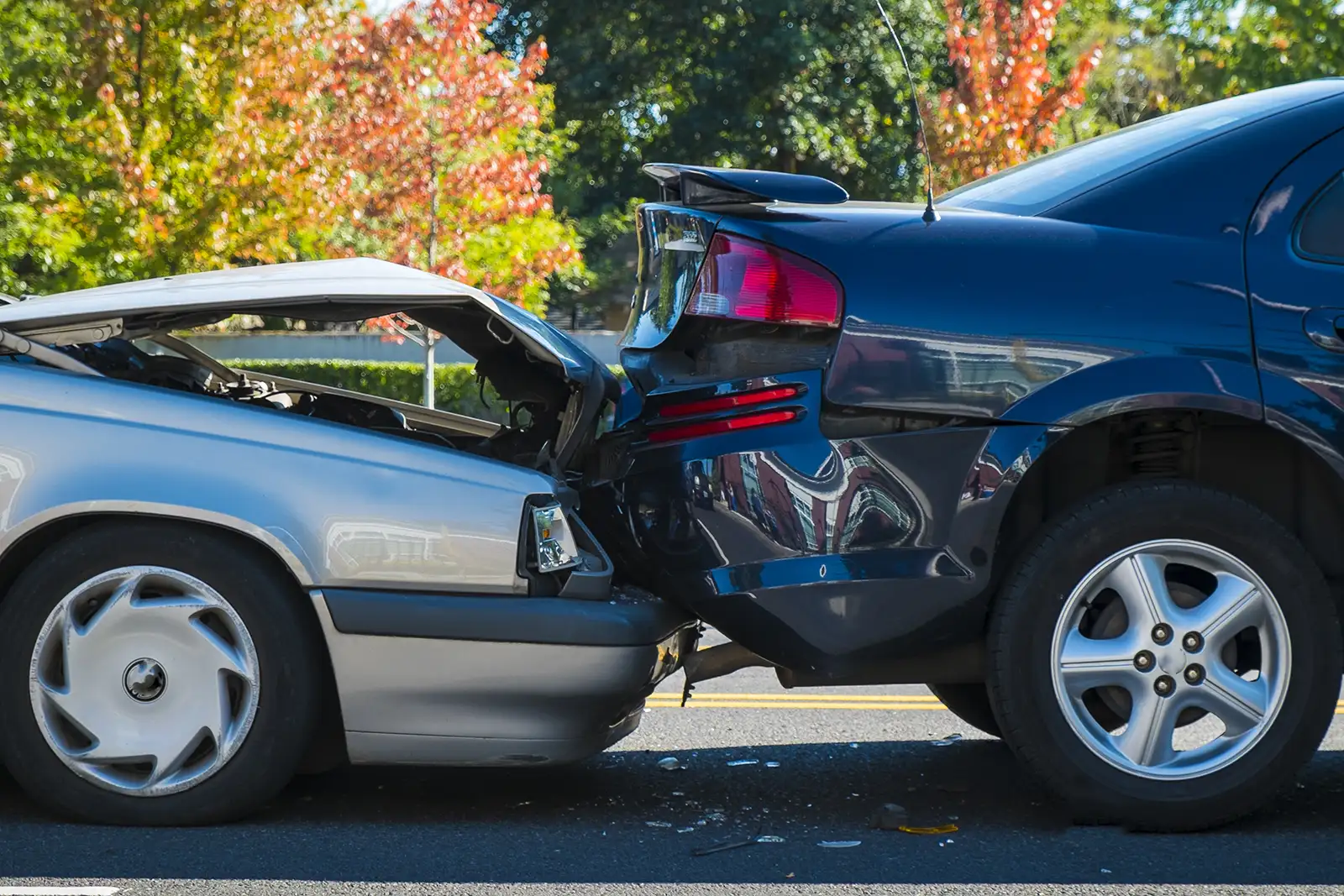
Rideshare services such as Uber and Lyft provide a convenient way to travel throughout Dallas and the surrounding communities. However, when a rideshare vehicle is involved in a collision, determining who is financially responsible can be more complicated than in a typical car accident.
Liability may fall on the rideshare driver, another motorist, or another party whose negligence contributed to the crash. The insurance coverage available may also depend on what the rideshare driver was doing in the app when the accident occurred.
At Byron C. Bailey & Associates, we help injured passengers, drivers, pedestrians, and cyclists investigate rideshare accidents and pursue compensation from the responsible parties.
The Rideshare Driver May Be Liable
A rideshare driver may be held liable when their careless or unsafe conduct causes an accident. Like every other Texas motorist, Uber and Lyft drivers have a responsibility to follow traffic laws and operate their vehicles with reasonable care.
Examples of driver negligence may include:
- Speeding or driving too fast for road conditions
- Running a red light or stop sign
- Following another vehicle too closely
- Making an unsafe lane change
- Driving while distracted by a phone or rideshare app
- Driving while fatigued
- Operating a vehicle under the influence of alcohol or drugs
- Failing to yield to another vehicle, pedestrian, or cyclist
Although the driver may be responsible for causing the collision, determining which insurance policy applies is a separate issue. The answer often depends on the driver’s status within the rideshare app at the time of the crash.
Why the Driver’s App Status Matters
Texas law requires transportation network company drivers to maintain certain insurance coverage while using a rideshare app. However, the amount and source of coverage can change based on the stage of the ride.
The Driver Was Not Logged Into the App
If a rideshare driver was not logged into the Uber or Lyft app when the accident occurred, the driver was generally acting as a private motorist. In this situation, the driver’s personal auto insurance policy would typically be the primary source of coverage.
A claim may become more complicated if the driver’s personal insurer disputes coverage or if the driver does not have enough insurance to cover the victim’s losses.
The Driver Was Logged In and Waiting for a Ride Request
Different coverage requirements may apply when the driver is logged into the app and available to accept passengers but has not yet accepted a ride.
Under Texas law, coverage during this period must generally provide at least:
- $50,000 for bodily injury or death to one person
- $100,000 for bodily injury or death to two or more people
- $25,000 for property damage
This coverage may be maintained by the driver, the rideshare company, or a combination of both. Determining which policy applies may require reviewing the driver’s records and communications with the rideshare platform. Texas Insurance Code Chapter 1954
The Driver Accepted a Ride or Was Transporting a Passenger
Once a driver accepts a ride request, higher insurance requirements generally apply. This period usually continues while the driver travels to pick up the passenger and while the passenger is inside the vehicle.
Texas law generally requires at least $1 million in total liability coverage during this stage of the trip. Depending on the circumstances, additional coverage may be available for accidents caused by uninsured or underinsured motorists.
Establishing the exact timing of the accident can be critical. App records, ride receipts, GPS information, and electronic communications may help demonstrate whether the driver had accepted a request or was actively transporting a passenger.
Another Driver May Be Responsible
Not every rideshare accident is caused by an Uber or Lyft driver. Another motorist may be liable if that person caused the collision through speeding, distracted driving, impaired driving, or another unsafe behavior.
For example, if a passenger is injured when another vehicle runs a red light and strikes their rideshare, the other motorist may be primarily responsible. The injured passenger may pursue a claim against that driver’s insurance policy.
If the at-fault motorist is uninsured, leaves the scene, or does not carry enough coverage, other insurance policies may become important. A careful review of all available policies can help identify potential sources of compensation.
Can More Than One Party Be Liable?
Yes. Some rideshare accidents involve multiple responsible parties. A collision may result from the combined negligence of the rideshare driver and another motorist. A defective vehicle component, poor vehicle maintenance, or a dangerous road condition could also contribute to an accident.
Texas follows a proportionate responsibility system. This means fault may be divided among multiple parties according to each party’s role in causing the accident. An injured person’s own percentage of responsibility can also affect the amount they may recover. Under Texas law, a claimant generally cannot recover damages if their percentage of responsibility is greater than 50%. Texas Civil Practice and Remedies Code Chapter 33
Because insurance companies may attempt to shift blame or minimize their financial responsibility, gathering strong evidence is especially important in a rideshare accident claim.
Are Uber or Lyft Automatically Liable?
Uber and Lyft generally classify their drivers as independent contractors rather than employees. As a result, holding the rideshare company directly liable for a driver’s actions is not always straightforward.
However, the rideshare company’s insurance policy may still provide coverage when the driver is logged into the app, has accepted a ride request, or is transporting a passenger. Direct responsibility may also be considered if the company’s own conduct contributed to the accident, although this depends on the specific facts and applicable law.
A rideshare accident attorney can determine whether a claim should involve the driver, the rideshare company’s insurer, another motorist, or additional parties.
What Evidence Can Help Establish Liability?
Rideshare accident claims often require evidence from several sources. Helpful documentation may include:
- Police accident reports
- Photographs and videos from the scene
- Witness statements
- Dashcam or surveillance footage
- Medical records
- Uber or Lyft ride receipts
- Screenshots from the rideshare app
- GPS and electronic trip information
- Vehicle inspection and maintenance records
- Cellphone records when distracted driving is suspected
Victims should save all information connected to the ride, including the driver’s name, vehicle information, route, pickup location, and trip confirmation. This evidence may help establish the driver’s app status and identify the insurance coverage that was in effect.
What Compensation May Be Available?
A person injured in a Texas rideshare accident may be able to seek compensation for losses such as:
- Past and future medical expenses
- Lost wages
- Reduced earning capacity
- Physical pain and suffering
- Mental anguish
- Physical impairment
- Property damage
- Disfigurement
The compensation available depends on factors such as the severity of the injuries, the effect on the victim’s daily life, the available insurance coverage, and the strength of the evidence establishing liability.
How Long Do You Have to File a Rideshare Accident Claim in Texas?
In many Texas personal injury cases, an injured person has two years from the date of the accident to file a lawsuit. Certain circumstances may shorten or alter the applicable deadline, so it is important not to assume that every case follows the same timeline. Texas Civil Practice and Remedies Code § 16.003
Acting promptly can also help preserve evidence. Rideshare app data, surveillance footage, witness memories, and vehicle records may become more difficult to obtain as time passes.
Speak With a Dallas Rideshare Accident Attorney
Determining liability after an Uber or Lyft accident may require examining several drivers, multiple insurance policies, and the rideshare driver’s activity within the app. Insurance companies may dispute who caused the accident, which policy applies, or how much compensation an injured person should receive.
At Byron C. Bailey & Associates, we help injury victims throughout Dallas, Mansfield, Frisco, DeSoto, Red Oak, Crowley, Little Elm, McKinney, Cedar Hill, and surrounding Texas communities understand their legal options. Our firm can investigate the collision, identify the responsible parties, communicate with the insurance companies, and pursue the compensation you deserve.
If you or someone you love was injured in a rideshare accident, call Byron C. Bailey & Associates at 214-891-7434 or schedule a consultation today.