

How Driver Logs Can Be Used as Evidence in Truck Accident Cases

Truck accidents are among the most serious and complex types of motor vehicle crashes. Because of the size and weight of commercial trucks, these collisions often result in severe injuries or fatalities. When they occur, determining exactly what happened — and who is at fault — is no easy task. Investigators and attorneys must piece together a clear picture of the incident from a variety of evidence sources.
One of the most valuable pieces of evidence in truck accident cases is the driver’s log. These records, whether handwritten or digital, offer a detailed account of a trucker’s driving activity in the hours and days leading up to the crash. In many cases, driver logs can either support or challenge claims of negligence, fatigue, or regulatory violations, making them critical to a strong legal case.
What Are Driver Logs?
Driver logs are official records that track how long a commercial truck driver has been on the road, when they’ve taken breaks, and how far they’ve traveled. These logs are required by federal law to ensure that truck drivers follow safety regulations and avoid driving while fatigued.
The Federal Motor Carrier Safety Administration (FMCSA) enforces Hours of Service (HOS) rules, which dictate how many hours a driver can be on duty, how often they must rest, and how long those rest periods must be. For example, truckers are typically allowed to drive a maximum of 11 hours after 10 consecutive hours off duty.
There are two main types of driver logs: traditional paper logs, where drivers manually record their activity, and Electronic Logging Devices (ELDs), which automatically capture this data through a device connected to the truck’s engine. ELDs are now required for most commercial vehicles, offering a more reliable and tamper-resistant way to monitor compliance.
Driver logs usually include:
Total driving hours
Start and stop times
Rest and sleep breaks
Mileage covered
GPS locations and timestamps
All of this information plays a major role in investigating a crash.
Why Driver Logs Matter in Truck Accident Cases
Driver logs are key to establishing what the truck driver was doing before the accident occurred. They help reconstruct the timeline of events, making it easier to determine whether the driver was fatigued, in violation of safety rules, or acting negligently.
For instance, if a driver had been on duty for more than the allowed number of hours without taking a proper break, the logs could be used to show that fatigue was a likely contributing factor in the crash. Fatigue-related impairment can be just as dangerous as drunk driving, and it's a major concern in long-haul trucking.
In some cases, driver logs can reveal logbook fraud—when records are intentionally falsified to hide HOS violations. If a driver claims to have taken rest breaks that are not supported by GPS or fuel data, that discrepancy can become a red flag for attorneys and investigators.
Logs also help attorneys and accident reconstruction experts piece together a clear narrative of what happened, minute by minute.
How Attorneys Use Driver Logs in Legal Proceedings
In personal injury lawsuits, attorneys use driver logs as a central part of their case. These records are typically requested during the discovery phase of litigation, where both parties gather evidence.
Driver logs are often cross-checked against other forms of evidence to verify accuracy. These can include:
GPS tracking data
Fuel purchase receipts
Toll booth records
Traffic or surveillance camera footage
By comparing these sources, attorneys can identify inconsistencies that may point to negligence or dishonesty. For example, if a log says the driver took a rest break at a certain time, but GPS data shows the truck was still moving, that could suggest the break was never taken.
Attorneys also work with accident reconstruction experts to analyze the driver’s behavior and timeline leading up to the crash. Logs can either support or challenge eyewitness accounts and help determine liability more accurately.
Legal Requirements for Preserving and Accessing Logs
Federal law requires trucking companies to keep ELD data for at least six months. During that time, both the company and the driver are expected to make these records available for inspection by the FMCSA or during legal proceedings.
If a company fails to preserve driver logs or intentionally destroys them after a crash, that could lead to spoliation of evidence, which has serious legal consequences. A judge may issue sanctions or infer that the destroyed evidence was unfavorable to the party that failed to preserve it.
Attorneys can use subpoenas to request driver logs from the trucking company, and they may also seek court orders to preserve and protect this data from being deleted or altered.
Case Examples and Precedents
There have been numerous cases where driver logs have been the turning point in truck accident litigation. In some instances, logs have helped victims prove that a truck driver had exceeded their allowed hours and was likely drowsy at the time of the crash.
Other times, accurate logs have helped exonerate drivers who were wrongly blamed. For example, if the logs and GPS data show that the driver was taking a legal rest period at the time of the incident, they may not be responsible for the accident.
Courts increasingly accept ELD data as admissible evidence, recognizing its accuracy and reliability over manual logs.
Challenges and Limitations
Despite their value, driver logs are not always perfect. Incomplete or falsified logs still happen, especially in cases where companies try to avoid liability. Even with electronic systems in place, drivers may find ways to manipulate ELDs or create duplicate records.
Technical malfunctions can also pose problems. If an ELD fails to record data properly due to a glitch, that can create gaps in the timeline.
Additionally, trucking companies may resist turning over logs, citing privacy concerns or business confidentiality. In these cases, legal intervention is usually required to obtain the records.
Best Practices for Accident Victims and Their Attorneys
If you or a loved one is involved in a truck accident, it's important to act quickly. Driver logs may only be available for a limited time, and delays could mean crucial evidence is lost.
Working with a personal injury attorney familiar with trucking laws is essential. These professionals know how to file the right motions, send preservation letters, and work with experts to uncover all available data.
Attorneys often look beyond just the ELD records. They investigate supporting materials like fuel logs, inspection reports, dashcam footage, and black box data to build a complete picture of what occurred.
Consulting with forensic analysts and trucking safety experts can also strengthen the case and provide compelling evidence in court.
Conclusion
Driver logs are one of the most powerful tools in uncovering the truth in a truck accident case. Whether they reveal a pattern of fatigue, noncompliance with federal rules, or support a driver’s defense, these records offer a window into what really happened on the road.
If you’ve been injured in a truck accident, especially on a busy Texas highway, having a legal team that understands how to obtain and interpret driver logs can make a major difference in your case.
As technology continues to evolve, the role of digital evidence like ELD data will only grow. Being informed and acting swiftly after an accident can help ensure your rights are protected and justice is served.

How Truck Accidents Differ from Other Commercial Vehicle Accidents

Commercial vehicle accidents occur frequently in busy cities like Dallas, Texas, where highways and interstates are bustling with different types of vehicles. These accidents involve various commercial vehicles, including delivery vans, taxis, buses, and large trucks. While all commercial vehicle accidents have the potential to cause serious injuries and property damage, truck accidents are particularly severe due to their massive size and weight.
Understanding the differences between truck accidents and other commercial vehicle accidents is crucial for drivers, passengers, and legal professionals. These differences impact everything from the causes of the accident to legal liability and insurance claims. Recognizing these distinctions can help victims understand their rights and navigate the aftermath of a collision more effectively.
This article aims to highlight the key differences between truck accidents and other commercial vehicle accidents, focusing on factors such as regulations, liability, insurance, and injury severity. Additionally, we will explore legal considerations specific to truck accidents and provide guidance on what to do if you’re involved in one.
Definition of Commercial Vehicles
A commercial vehicle is any vehicle used for business purposes, including transporting goods or passengers. These vehicles can range from small delivery vans to large semi-trucks and buses. Examples of commercial vehicles include rideshare cars, taxis, company-owned cars, food delivery vehicles, box trucks, and tractor-trailers.
While all commercial vehicles share some common characteristics, large trucks stand out due to their sheer size and the level of regulation imposed on them. Semi-trucks, 18-wheelers, and big rigs often weigh 20 to 30 times more than a standard passenger vehicle, making them significantly more dangerous in an accident. Their operation also requires specialized training and strict adherence to federal and state laws. Understanding how these factors contribute to the unique risks associated with truck accidents is essential for anyone who shares the road with them.
Key Differences Between Truck Accidents and Other Commercial Vehicle Accidents
1. Size and Weight Disparity
One of the most obvious differences between truck accidents and other commercial vehicle accidents is the size and weight of the vehicles involved. A fully loaded tractor-trailer can weigh up to 80,000 pounds, while a standard commercial van or rideshare car typically weighs less than 10,000 pounds. This significant difference in weight means that truck accidents tend to cause much greater damage, both to vehicles and to the people involved.
When a truck collides with a smaller vehicle, the force of impact is far greater than in an accident involving two similarly sized vehicles. As a result, truck accidents often lead to severe injuries such as traumatic brain injuries, spinal cord damage, broken bones, and even fatalities. Additionally, the sheer size of a truck makes it more difficult to maneuver and stop quickly, increasing the likelihood of high-impact crashes.
2. Regulations and Compliance
The trucking industry is heavily regulated by both federal and state laws, whereas other commercial vehicles typically have fewer regulatory requirements. The Federal Motor Carrier Safety Administration (FMCSA) enforces strict rules for truck drivers, including Hours of Service (HOS) regulations that limit how long a driver can be on the road before taking a mandatory rest break. These regulations aim to reduce fatigue-related accidents, which are common among truck drivers who operate under tight deadlines.
In contrast, other commercial vehicles, such as taxis or company-owned cars, may not be subject to the same stringent regulations. Drivers of these vehicles typically follow standard traffic laws but do not have federally mandated restrictions on their driving hours or cargo weight limits. Because truck drivers must adhere to more regulations, proving liability in a truck accident often requires an investigation into whether these rules were followed or violated.
3. Common Causes of Accidents
While commercial vehicle accidents can be caused by various factors, truck accidents often involve unique risks that do not apply to other commercial vehicles. Some common causes of truck accidents include:
Driver fatigue – Long hours on the road can lead to exhaustion, slowing reaction times and increasing the risk of crashes.
Improper loading – Overloaded or unbalanced cargo can cause a truck to tip over or jackknife.
Blind spots – Large trucks have significant blind spots where smaller vehicles can easily disappear from view.
Mechanical failures – Poorly maintained trucks can suffer from brake failures, tire blowouts, or other mechanical issues that lead to accidents.
Other commercial vehicle accidents, such as those involving taxis or rideshare vehicles, are more commonly caused by driver distraction, speeding, reckless driving, or failure to obey traffic signals. While these accidents can still result in serious injuries, the scale and impact are often less severe than in a truck accident.
4. Liability and Insurance Differences
Determining liability in a truck accident is often more complex than in other commercial vehicle accidents. In many cases, multiple parties may be held responsible, including the truck driver, the trucking company, the vehicle manufacturer, and even the cargo loaders. Because trucking companies must adhere to strict federal regulations, any violations of these rules can impact liability in an accident case.
Additionally, trucks are required to carry much higher insurance coverage than other commercial vehicles. A typical commercial truck may have an insurance policy with coverage limits in the millions of dollars, whereas a taxi or company-owned car may have much lower coverage limits. This means that truck accident claims often involve more significant financial compensation, making insurance companies more aggressive in defending against claims.
5. Severity of Injuries and Damages
The sheer size and weight of a truck mean that accidents involving these vehicles are often far more devastating than those involving smaller commercial vehicles. Victims of truck accidents frequently suffer life-changing injuries, including paralysis, traumatic brain injuries, and amputations. The medical expenses, lost wages, and long-term care costs associated with these injuries can be overwhelming.
Property damage is also significantly higher in truck accidents. A collision between a truck and a passenger vehicle often results in the smaller vehicle being completely totaled. This level of destruction is far less common in accidents involving smaller commercial vehicles.
Legal Implications
Truck accident claims are more legally complex than other commercial vehicle accidents due to the involvement of multiple parties, federal regulations, and higher insurance coverage limits. Victims seeking compensation must often navigate complicated legal battles, making it essential to have an experienced truck accident attorney.
Federal laws play a significant role in truck accident cases, as violations of FMCSA regulations can impact liability. State laws also come into play, as each state may have different statutes governing commercial vehicle accidents. Determining fault in a truck accident requires an in-depth investigation, often involving expert witnesses, accident reconstruction specialists, and a review of the truck’s electronic logging device (ELD) data.
Steps to Take After a Truck Accident
If you’re involved in a truck accident, taking the right steps can significantly impact your ability to recover compensation. Here’s what to do:
Seek medical attention immediately, even if you don’t feel injured right away.
Call the police and ensure an accident report is filed.
Gather evidence, including photos of the accident scene, witness statements, and truck company information.
Contact an attorney who specializes in truck accidents to protect your legal rights.
Conclusion
Truck accidents differ significantly from other commercial vehicle accidents due to their size, weight, regulations, and liability complexities. Because these accidents often result in severe injuries and high financial losses, it is crucial to understand the unique legal and insurance challenges involved. If you or a loved one has been involved in a truck accident, seeking legal guidance can help ensure you receive the compensation you deserve. Practicing road safety and awareness can also help reduce the risk of devastating truck accidents on Texas roads.

Why You Need a Lawyer Who Specializes in Truck Accidents
Truck accidents are among the most catastrophic events on the road. Given the massive size and weight of commercial trucks, collisions often lead to severe injuries, extensive property damage, and, in the worst cases, fatalities. Unlike standard car accidents, truck accidents involve complex legal and insurance matters that require specialized knowledge to navigate successfully. If you or a loved one has been involved in a truck accident in Dallas or elsewhere in Texas, hiring a lawyer who specializes in truck accidents is crucial to ensure you receive the justice and compensation you deserve.
1. Complexity of Truck Accident Cases
Truck accident cases are far more complex than typical car accident claims because multiple parties may be involved. Unlike a car crash where only the drivers and their insurers are relevant, truck accidents often involve the truck driver, the trucking company, the vehicle manufacturer, maintenance contractors, cargo loaders, and multiple insurance companies. Determining liability can be challenging without the guidance of a lawyer who understands the intricacies of trucking operations and regulations.
Federal and state regulations play a significant role in truck accident cases. The Federal Motor Carrier Safety Administration (FMCSA) enforces strict rules governing truck drivers' work hours, vehicle maintenance, and cargo limits. Violations of these regulations often contribute to accidents, and a specialized attorney knows how to identify and leverage these violations to strengthen your case.
Furthermore, the stakes are much higher in truck accident claims. Due to the sheer force of impact, victims frequently suffer life-altering injuries such as spinal cord damage, traumatic brain injuries, and amputations. The financial burden of medical bills, lost wages, and long-term rehabilitation can be overwhelming, making it essential to secure maximum compensation. Without an experienced truck accident lawyer, victims may struggle to recover the full amount they are entitled to.
2. Experience with Trucking Laws and Regulations
Trucking laws are complex and differ significantly from the laws governing personal vehicles. A lawyer who specializes in truck accidents understands both federal and Texas state laws that regulate commercial trucking. This knowledge is essential in proving negligence and determining liability.
For instance, federal regulations limit the number of hours a truck driver can operate without rest. If a truck driver exceeds these limits and causes an accident due to fatigue, a skilled attorney can use this violation to establish liability. Additionally, trucking companies are required to conduct regular maintenance and safety inspections. If a mechanical failure, such as faulty brakes or worn-out tires, contributes to an accident, an attorney familiar with industry standards can hold the responsible parties accountable.
A specialized lawyer also understands how to request and analyze crucial documents such as driver logs, maintenance records, and inspection reports. These records can provide evidence of negligence, such as falsified work hours or ignored safety warnings. Without this expertise, crucial evidence could be overlooked, weakening your case.
3. Investigative Resources and Expertise
One of the biggest advantages of hiring a specialized truck accident lawyer is access to investigative resources that can strengthen your case. Truck accident cases often require in-depth investigations that go beyond what a typical personal injury attorney can handle.
Accident reconstruction experts play a vital role in determining how and why a crash occurred. These experts use advanced technology to analyze skid marks, vehicle damage, and road conditions to recreate the accident scene. Their findings can be invaluable in proving fault and countering any false claims from the trucking company or insurance adjusters.
Another critical piece of evidence in truck accident cases is the truck’s black box data. This electronic logging device records crucial information such as speed, braking patterns, and hours driven before the crash. A skilled attorney will know how to obtain this data before it is lost or intentionally erased. Additionally, trucking companies may attempt to withhold or destroy maintenance records that prove negligence. A knowledgeable lawyer can take immediate legal action to preserve such evidence before it disappears.
4. Negotiating with Insurance Companies
Trucking insurance policies are vastly different from standard auto insurance policies. Because commercial trucks cause extensive damage, trucking companies carry high-limit insurance policies, sometimes worth millions of dollars. This means insurance companies have a strong financial incentive to minimize payouts and will use aggressive tactics to deny or undervalue claims.
Insurance adjusters often pressure accident victims into accepting lowball settlements before they fully understand the extent of their injuries. Without legal representation, victims may unknowingly sign away their right to full compensation. A specialized truck accident lawyer understands these tactics and knows how to counter them effectively. They will negotiate aggressively to ensure you receive fair compensation for medical bills, lost income, pain and suffering, and future rehabilitation costs.
Moreover, insurance companies often attempt to shift blame onto the victim to reduce their liability. A lawyer experienced in truck accident cases knows how to present evidence, challenge false claims, and hold the responsible parties accountable.
5. Proving Liability and Maximizing Compensation
Determining liability in a truck accident case is not always straightforward. Unlike regular car accidents, where one or both drivers are typically at fault, truck accidents may involve multiple negligent parties. The truck driver may be responsible due to reckless driving or fatigue, but the trucking company may also be liable for improper training or pressuring drivers to violate work-hour regulations. Additionally, a manufacturer could be responsible if defective truck parts contributed to the accident.
A specialized attorney will conduct a thorough investigation to identify all liable parties and ensure they are held accountable. They will also calculate the full extent of damages, including current and future medical expenses, lost wages, reduced earning capacity, and emotional suffering. By building a strong case with compelling evidence, an experienced truck accident lawyer can negotiate a fair settlement or take the case to court if necessary.
6. Litigation Experience in Truck Accident Cases
Not all personal injury lawyers have the experience and confidence to take a truck accident case to trial. Because truck accident claims often involve large sums of money, trucking companies and their insurers will do everything they can to avoid paying a fair settlement. If negotiations fail, having an attorney with courtroom experience is essential.
A truck accident lawyer with trial experience will know how to present compelling evidence, cross-examine witnesses, and argue effectively in front of a judge or jury. Many times, just the presence of a skilled litigator can pressure insurance companies into offering a fair settlement to avoid the risks of a courtroom battle. By choosing a lawyer who is prepared to go to trial, you significantly improve your chances of securing the compensation you deserve.
Conclusion
Truck accidents are far more complex than standard car accidents, and the consequences can be devastating. If you have been involved in a truck accident in Dallas or anywhere in Texas, hiring a lawyer who specializes in these cases is crucial. A specialized attorney understands the intricate laws, has access to investigative resources, and knows how to deal with trucking companies and their insurers.
If you or a loved one has been injured in a truck accident, don’t wait to seek legal help. The sooner you hire an experienced truck accident lawyer, the better your chances of securing fair compensation. Contact a skilled attorney today to discuss your case and protect your rights.

The Role of Police Reports in Car Wreck Cases

Car accidents can be overwhelming, leaving those involved unsure of what to do next. One of the most important steps after a car wreck is obtaining a police report. This document serves as an official record of the accident and can be crucial when dealing with insurance claims, legal disputes, and liability determinations. Many drivers might not realize the significance of a police report at the moment of an accident, but having one can make a major difference in how smoothly the aftermath is handled.
In Texas, a police report helps establish the facts of the accident and provides an objective account of what happened. Insurance companies rely on these reports to process claims, and courts may use them as evidence if a case goes to trial. Understanding the role of police reports in car wreck cases can help ensure that your rights are protected and that you receive the compensation you deserve.
What is a Police Report?
A police report is an official document created by a responding law enforcement officer at the scene of an accident. Its purpose is to provide an unbiased record of the crash, detailing the key facts and observations made by the officer. This report includes information such as the date, time, and location of the accident, the names and contact information of those involved, and any witness statements collected.
Police officers write these reports based on their assessment of the scene, including vehicle damage, road conditions, and any violations of traffic laws. While the report does not serve as definitive proof of fault, it can be a strong piece of evidence in insurance claims and legal proceedings.
If you're involved in an accident in Dallas or anywhere in Texas, you can obtain a copy of your police report through the local law enforcement agency that responded to the scene. Many police departments offer online access to reports, while others may require you to request a copy in person or by mail.
Key Information in a Police Report
A police report contains vital details that can significantly impact how an accident case is handled. Some of the key elements included in a police report are:
Basic Accident Details: The report records the date, time, and location of the crash, providing a clear record of when and where the incident occurred.
Statements from Those Involved: The officer typically takes statements from drivers, passengers, and witnesses to gather multiple perspectives on what happened.
Officer’s Observations: The responding officer assesses the scene, noting details such as skid marks, weather conditions, vehicle damage, and road conditions. These observations can play a role in determining who was at fault.
Citations and Violations: If any drivers violated traffic laws, such as running a red light or speeding, the officer will note these infractions in the report. Such citations can heavily influence insurance claims and legal decisions.
How Police Reports Impact Car Wreck Cases
Police reports play a significant role in car wreck cases by providing valuable information that helps determine liability and support claims. Here’s how they can impact different aspects of an accident case:
Insurance Claims: When you file a claim with your insurance company, they will often request a copy of the police report to help determine fault. The report’s details can influence whether your claim is approved and how much compensation you receive.
Legal Disputes: If an accident leads to a lawsuit, a police report can serve as a key piece of evidence. Attorneys use these reports to build cases and establish the circumstances surrounding the crash.
Fault Determination: Texas follows a comparative negligence rule, meaning fault can be shared between multiple parties. The police report can influence how fault is assigned, which directly affects compensation eligibility.
Limitations of Police Reports
While police reports are essential, they are not always perfect. Here are some common limitations:
Not Always Accurate: Officers arrive at the scene after the accident has already occurred, meaning they must rely on witness statements and physical evidence to reconstruct what happened. This can sometimes lead to errors or incomplete information.
Missing or Incorrect Details: Mistakes can happen, whether it's a misspelled name, an incorrect insurance policy number, or an inaccurate account of the events.
Disputing a Police Report: If you find errors in your police report, you can request a correction. This process typically involves submitting evidence, such as photographs, video footage, or witness statements, to support your claim.
What to Do if a Police Report is Missing or Incomplete
There are instances where a police report may not be available, especially if law enforcement was not called to the scene. Here’s what you can do in such situations:
File a Report After the Fact: If police did not respond to a minor accident, you might be able to file a report yourself at your local police station or online.
Gather Alternative Evidence: Take photos of the accident scene, collect witness statements, and keep copies of any medical records or repair estimates. This information can help support your case if a police report is not available.
Work with an Attorney: If a missing or incomplete police report is affecting your claim, a lawyer can help you build a strong case using other forms of evidence.
Conclusion
Police reports play a crucial role in car accident cases, helping to establish facts, determine fault, and support insurance and legal claims. While these reports are not always perfect, they are still one of the most important pieces of documentation you can have after an accident.
If you're involved in a car wreck, always request a copy of the police report and review it for accuracy. If you find any mistakes, take action to correct them as soon as possible. By understanding the importance of police reports and knowing how to navigate their limitations, you can better protect your rights and ensure a smoother recovery process after an accident. Whether you're dealing with an insurance claim or a legal dispute, having a police report on hand can make all the difference in achieving a fair outcome.

How Distracted Driving Contributes to Truck Accidents

Distracted driving is one of the leading causes of accidents on U.S. roads, and when large commercial trucks are involved, the consequences can be devastating. Every year, thousands of accidents occur due to drivers failing to give their full attention to the road. While distracted driving is dangerous for all motorists, it is especially hazardous for truck drivers, who operate massive vehicles that require longer stopping distances and greater control.
Truck accidents caused by distracted driving are particularly concerning because of the sheer size and weight of these vehicles. An 18-wheeler can weigh up to 80,000 pounds, making collisions much more severe than those involving smaller passenger cars. A momentary lapse in attention—just a few seconds—can be the difference between a close call and a catastrophic accident. In a city like Dallas, where highways such as I-35, I-45, and I-20 are always busy with commercial trucks, the risk of distracted driving incidents is ever-present.
Raising awareness about the dangers of distracted driving is crucial to preventing truck accidents. Both truck drivers and other motorists need to understand how distractions impact reaction times, decision-making, and overall road safety. By implementing stricter safety measures and fostering responsible driving habits, we can work toward reducing these preventable accidents.
Understanding Distracted Driving
Distracted driving is any activity that diverts attention away from driving. It is commonly classified into three types: visual, manual, and cognitive distractions.
Visual distractions occur when a driver takes their eyes off the road. This includes looking at a phone, reading a text message, or even glancing at a billboard. When truck drivers engage in visual distractions, they are at high risk of missing critical changes in traffic conditions.
Manual distractions involve taking hands off the steering wheel. Common examples include eating, drinking, adjusting the radio, or reaching for an object inside the truck. Since trucks require careful handling, even a brief loss of control can be dangerous.
Cognitive distractions happen when a driver’s mind is not focused on driving. Fatigue, stress, and even daydreaming can lead to a cognitive lapse that affects reaction time and decision-making.
Some of the most common distractions among truck drivers include:
Mobile phone use: Texting, making calls, or checking notifications diverts both visual and cognitive attention.
Eating and drinking: Long-haul truckers often eat while driving, which can lead to manual and visual distractions.
Adjusting in-cab controls: Changing the radio station, GPS settings, or air conditioning requires taking hands and eyes off the road.
Fatigue and drowsiness: A tired driver is as impaired as one who is distracted, leading to slow reaction times and dangerous errors.
External distractions: Roadside billboards, accidents, or scenery can cause drivers to lose focus on the road ahead.
The Impact of Distracted Driving on Truck Accidents
When truck drivers engage in distracted driving, the consequences can be severe. Because trucks require more time and distance to stop than smaller vehicles, any delay in reaction time can result in a collision. Studies have shown that drivers who take their eyes off the road for just five seconds while traveling at highway speeds cover the length of a football field without looking.
One of the biggest dangers of distracted driving is the increased reaction time. If a truck driver is not paying full attention, they may fail to notice sudden changes in traffic, such as a vehicle stopping abruptly or merging unexpectedly. This delay in response can lead to rear-end collisions, jackknife accidents, or even rollovers.
Another consequence of distracted driving is the loss of vehicle control. When a driver is not focused, they may drift into another lane, overcorrect, or fail to maintain a safe following distance. Given the size and momentum of a commercial truck, even a slight mistake can lead to multi-vehicle crashes with severe injuries and fatalities.
Statistics indicate that distracted driving is a major contributor to truck accidents. According to the Federal Motor Carrier Safety Administration (FMCSA), distraction or inattention was a factor in nearly 10% of large truck crashes. With Texas being one of the busiest states for commercial trucking, local highways see a significant share of these incidents.
Real-Life Examples & Case Studies
There have been numerous truck accidents linked to distracted driving, many of which resulted in tragic consequences. One example involved a truck driver in Texas who was texting while driving and failed to notice slowing traffic ahead. The resulting crash led to multiple fatalities and severe injuries. This case highlights how even a few seconds of distraction can have life-altering consequences.
In another case, a truck driver was adjusting the GPS while traveling on a Dallas highway. The driver failed to see a stopped vehicle in time, leading to a high-impact collision. Investigators later determined that the crash could have been avoided if the driver had been paying full attention to the road.
Legal & Financial Consequences of Distracted Driving
Distracted driving is not only dangerous but also comes with serious legal and financial consequences. The FMCSA has strict regulations prohibiting commercial drivers from using handheld devices while driving. Violations can result in hefty fines, suspension of commercial driving privileges, and even job termination.
From a liability standpoint, truck drivers and trucking companies can face lawsuits if distracted driving leads to an accident. Victims may seek compensation for medical expenses, lost wages, and pain and suffering. Insurance companies may also increase premiums or refuse to cover damages in cases where distracted driving is a proven factor.
How to Prevent Distracted Driving in the Trucking Industry
Preventing distracted driving requires a multi-faceted approach involving truck drivers, trucking companies, and policymakers. Some key strategies include:
Implementing strict company policies: Trucking companies should enforce zero-tolerance policies for mobile phone use and other distractions while driving.
Using hands-free and voice-activated technology: While no technology is completely distraction-free, hands-free devices can help reduce manual distractions.
Driver training and awareness programs: Educating truck drivers on the dangers of distractions and encouraging responsible habits can help prevent accidents.
Encouraging regular breaks to prevent fatigue: Tired drivers are more prone to cognitive distractions, so ensuring adequate rest periods is essential.
Advanced driver-assistance systems (ADAS): Features like lane departure warnings, automatic braking, and collision detection can help prevent accidents caused by distraction.
Conclusion
Distracted driving is a serious issue that significantly contributes to truck accidents. Given the size and weight of commercial trucks, even a brief lapse in attention can result in devastating crashes. By raising awareness, enforcing stricter regulations, and promoting responsible driving habits, we can work towards reducing these preventable accidents.
Truck drivers, companies, and policymakers all play a role in improving road safety. Through education, technology, and enforcement, we can create safer highways for everyone. The responsibility lies with all drivers to stay focused and prioritize safety every time they get behind the wheel.

Wrongful Death Claims in Truck Accident Cases
Truck accidents are among the most devastating types of motor vehicle crashes. Due to their sheer size and weight, commercial trucks can cause catastrophic damage when involved in collisions. Fatalities are unfortunately common in these accidents, leaving families to deal with the emotional and financial aftermath of losing a loved one.
A wrongful death claim allows surviving family members to seek justice and financial compensation when a truck accident results in the untimely death of a loved one. These claims aim to hold negligent parties accountable while providing relief for medical bills, lost income, funeral expenses, and the emotional suffering of those left behind.
For families facing such a tragic loss, pursuing legal action may feel overwhelming. However, seeking recourse is essential not just for financial stability but also for preventing similar incidents in the future. An experienced wrongful death attorney can guide families through the legal process and help them fight for the justice their loved ones deserve.
Understanding Wrongful Death in Truck Accidents
Wrongful death occurs when someone loses their life due to the negligence or misconduct of another party. In truck accident cases, wrongful death claims arise when the fatal crash could have been prevented if not for reckless driving, improper truck maintenance, or violations of trucking regulations.
Truck accidents frequently result in fatalities because of the disparity in size and weight between a commercial truck and a passenger vehicle. A fully loaded semi-truck can weigh up to 80,000 pounds, making it difficult to stop quickly or maneuver safely in emergency situations. When truck drivers or trucking companies fail to follow safety guidelines, the risk of deadly accidents increases.
Common causes of fatal truck accidents include driver fatigue, speeding, distracted driving, mechanical failures, and improperly loaded cargo. In some cases, trucking companies may push drivers to meet tight deadlines, leading to exhaustion and impaired judgment. Mechanical failures due to poor maintenance can also lead to brake failures or tire blowouts, increasing the likelihood of a serious accident.
Who Can File a Wrongful Death Claim?
In Texas, specific family members have the legal right to file a wrongful death claim after losing a loved one in a truck accident. Typically, the deceased’s spouse, children, and parents are eligible to file a claim. If none of these family members take legal action within three months of the death, the representative of the deceased’s estate may file a claim on behalf of the beneficiaries.
Texas law does not allow siblings to file wrongful death claims, even if they were financially dependent on the deceased. Each case is unique, so consulting a legal professional is the best way to determine eligibility and understand legal rights.
Establishing Liability in Truck Accident Wrongful Death Cases
Determining liability in a truck accident wrongful death case can be complex because multiple parties may be responsible for the crash. Potentially liable parties include:
Truck drivers – If the driver was reckless, intoxicated, distracted, or fatigued, they could be held responsible for the accident.
Trucking companies – Employers can be liable if they failed to properly train drivers, pressured them to violate hours-of-service rules, or neglected vehicle maintenance.
Vehicle manufacturers – If a defective part (such as faulty brakes or steering systems) contributed to the crash, the manufacturer may be held accountable.
Maintenance providers – If a third-party repair company failed to perform proper maintenance, they could share responsibility for the accident.
Government entities – If poor road conditions or faulty traffic signals played a role in the accident, a government agency could be liable.
Proving liability requires strong evidence, including police reports, truck black box data, witness testimony, and expert analysis of accident reconstruction reports. An attorney can help gather and present this evidence to build a solid case for compensation.
Compensation in a Wrongful Death Truck Accident Case
Surviving family members may be entitled to various forms of compensation after a wrongful death caused by a truck accident. These damages fall into three main categories:
Economic damages – This includes compensation for medical expenses incurred before death, funeral and burial costs, lost income that the deceased would have provided, and any loss of benefits such as health insurance or retirement funds.
Non-economic damages – These cover the emotional toll of losing a loved one, including pain and suffering, loss of companionship, and loss of parental guidance for children.
Punitive damages – In cases of extreme negligence or intentional misconduct, the court may award punitive damages to punish the responsible party and deter similar behavior in the future.
Calculating fair compensation requires an in-depth evaluation of financial records, expert testimony, and legal arguments presented in court or settlement negotiations.
The Legal Process for Filing a Wrongful Death Claim
Filing a wrongful death claim involves several legal steps, including:
Investigation – Gathering evidence, reviewing accident reports, and consulting experts to determine liability.
Filing the lawsuit – Preparing and submitting legal documents to initiate the claim.
Settlement negotiations – Many cases are settled outside of court through negotiations with insurance companies and responsible parties.
Trial (if necessary) – If a fair settlement cannot be reached, the case may go to trial where a judge or jury will determine the outcome.
Texas law imposes a statute of limitations for wrongful death claims, requiring that lawsuits be filed within two years of the victim’s death. Families should act quickly to ensure they do not lose their right to seek compensation.
Challenges in Wrongful Death Truck Accident Cases
Wrongful death claims involving truck accidents can be particularly challenging due to the complexity of federal and state trucking regulations and the aggressive tactics of insurance companies. Trucking companies often have legal teams that work to minimize payouts and shift blame away from their drivers or policies.
Proving negligence can also be difficult, especially when trucking companies fail to provide crucial evidence, such as driver logs or maintenance records. Additionally, federal trucking laws, including regulations set by the Federal Motor Carrier Safety Administration (FMCSA), must be considered when building a case. An experienced attorney can help navigate these challenges and fight for fair compensation.
How an Attorney Can Help
An attorney experienced in wrongful death and truck accident cases can be an invaluable ally for grieving families. They can assist in several ways, including:
Gathering crucial evidence – Attorneys can obtain and analyze truck black box data, accident scene reports, and expert witness testimony.
Negotiating with insurance companies – Insurance adjusters often try to minimize payouts. A skilled attorney can negotiate for a fair settlement that reflects the full extent of the loss.
Representing families in court – If negotiations fail, an attorney can present a strong case in court, advocating for the rights of the victim’s family.
Having legal representation ensures that families are not taken advantage of during such a difficult time and that they receive the compensation they deserve.
Conclusion
Losing a loved one in a truck accident is a heartbreaking experience that no family should have to endure. While no amount of compensation can truly replace the loss of a family member, filing a wrongful death claim can provide financial stability and a sense of justice.
If your loved one was killed in a truck accident due to someone else’s negligence, it is crucial to seek legal guidance as soon as possible. A knowledgeable attorney can help navigate the legal process, fight for your rights, and hold those responsible accountable.
Taking action not only helps your family recover but can also lead to changes in trucking industry practices, making the roads safer for everyone. If you need assistance with a wrongful death claim, consider reaching out to a trusted legal professional today.

Legal Steps to Take If You’re Injured in a Car Wreck in Another State

Getting into a car accident is a stressful and often overwhelming experience, but it becomes even more complicated when it happens in another state. Different states have varying laws regarding fault, insurance claims, and legal procedures, which can make navigating the aftermath of an accident confusing. Whether you were driving for business, visiting family, or on vacation, being injured in a car wreck away from home adds another layer of difficulty. Knowing what steps to take can help you protect your rights, receive fair compensation, and avoid unnecessary legal headaches.
If you live in Dallas, Texas, and get into an accident in another state, you may be unfamiliar with the legal requirements and processes specific to that location. Understanding these differences is crucial for handling the situation properly. The following steps will help guide you through the process and ensure that you take the necessary actions to safeguard your health, finances, and legal rights.
Immediate Steps at the Scene of the Accident
The first thing you should do after an accident is check yourself and any passengers for injuries. Even if you feel fine initially, adrenaline can mask pain, and injuries may not be immediately apparent. If anyone is hurt, call 911 immediately and request medical assistance.
After ensuring everyone’s safety, report the accident to law enforcement. Most states require that accidents involving injuries or significant property damage be reported to the police. An official police report is an important document that can be used as evidence when filing insurance claims or pursuing legal action.
Next, exchange contact and insurance information with the other driver(s) involved. Be sure to get their name, phone number, driver’s license number, license plate number, insurance provider, and policy number. Additionally, gather contact information from any witnesses, as their statements could be helpful in supporting your claim later.
It’s also essential to document the scene. Take photos and videos of the accident site, vehicle damage, road conditions, traffic signs, and any visible injuries. The more evidence you collect, the stronger your case will be when dealing with insurance companies or legal proceedings.
Seek Medical Attention Immediately
Even if you believe your injuries are minor, it’s important to seek medical attention as soon as possible. Some injuries, such as whiplash or internal trauma, may not show symptoms right away. A medical professional can assess your condition and provide necessary treatment.
Additionally, obtaining medical records is crucial for insurance claims and potential lawsuits. Without proper documentation, insurance companies may argue that your injuries are unrelated to the accident, making it harder to receive compensation. Keep copies of all medical reports, prescriptions, and receipts related to your treatment.
Understanding State-Specific Laws
One of the biggest challenges of an out-of-state accident is understanding the local laws that apply. Each state has different rules regarding liability and compensation. Some states follow a "fault" system, meaning the driver responsible for the accident is liable for damages. Others have "no-fault" laws, requiring each party’s insurance to cover their own medical expenses regardless of who was at fault.
Another key factor is the statute of limitations, which determines how long you have to file a lawsuit. In Texas, for example, the deadline is typically two years from the date of the accident, but other states may have shorter or longer timeframes.
You should also be aware of comparative vs. contributory negligence rules. Some states allow you to recover damages even if you were partially at fault, while others prevent you from receiving compensation if you share any blame. Knowing these differences can help you make informed decisions about legal action.
Reporting the Accident to Insurance
Notify your insurance company as soon as possible, even if the accident happened in another state. Delays in reporting could lead to complications with your claim. Provide them with all necessary details, including the police report, photos, and witness statements.
Be cautious when speaking with the at-fault driver’s insurance company. They may try to minimize your compensation or get you to admit fault. Avoid making any statements that could be used against you and do not accept a settlement offer without consulting a lawyer first.
Hiring a Local Personal Injury Attorney
Hiring an attorney who is licensed in the state where the accident occurred can be highly beneficial. They will have a deep understanding of local traffic laws, liability rules, and court procedures, which can be critical in securing a favorable outcome.
A personal injury lawyer can handle negotiations with insurance companies, gather evidence, and represent you in court if necessary. Since different states have varying legal standards, having local representation ensures that your case is handled correctly.
When searching for an attorney, look for someone with experience in handling out-of-state cases and strong reviews from previous clients. Many personal injury lawyers offer free consultations, so take advantage of that to discuss your case and explore your legal options.
Filing a Personal Injury Claim
If you’ve suffered injuries in a car accident caused by another driver’s negligence, you may be entitled to compensation. The process typically begins with filing a claim against the at-fault driver’s insurance company. If a fair settlement cannot be reached, you may need to file a lawsuit.
Compensation may cover medical expenses, lost wages, property damage, and pain and suffering. However, the amount you receive depends on the severity of your injuries and the laws in the state where the accident occurred.
Before deciding whether to settle or pursue a lawsuit, discuss your options with an attorney. Settling out of court may be faster, but if the offer is too low, going to trial may be a better choice to ensure you receive adequate compensation.
Travel and Logistical Considerations
Handling a legal case in another state can be inconvenient, especially if court appearances are required. However, many legal matters can be addressed remotely. Your attorney can handle much of the paperwork, negotiations, and communication with insurance companies on your behalf.
Some states allow remote depositions and virtual court hearings, reducing the need for travel. If in-person appearances are necessary, factor in costs such as transportation, lodging, and time off work.
If you have ongoing medical treatments, coordinating care between your home state and the accident state can be challenging. Your lawyer can help you navigate these logistical concerns and ensure your medical expenses are covered.
Conclusion
Being involved in a car accident in another state can be overwhelming, but knowing the right steps to take can make the process smoother. Prioritizing safety, gathering evidence, understanding state laws, and seeking medical attention are crucial first steps. Reporting the accident promptly to your insurance company and consulting a local attorney can help protect your legal rights and ensure you receive fair compensation.
Time is a critical factor in personal injury claims, so don’t delay in taking action. Whether you’re dealing with medical expenses, lost wages, or emotional distress, seeking legal guidance can provide clarity and peace of mind. If you find yourself in this situation, reach out to an experienced personal injury lawyer who can guide you through the legal process and fight for the compensation you deserve.

Handling Medical Costs When You Don’t Have Health Insurance After a Wreck

Car accidents can happen when you least expect them, and beyond the physical pain and emotional stress, they can leave you with hefty medical bills. If you don’t have health insurance, the financial burden can feel overwhelming. Many people assume they have no options, but the truth is, there are several ways to handle medical costs even without insurance. By understanding your rights, negotiating with healthcare providers, and exploring available assistance programs, you can manage your expenses and avoid financial ruin. This guide will walk you through practical steps to handle medical bills after an accident in Dallas, Texas, and beyond.
1. Prioritize Immediate Medical Care
After a wreck, your health is the top priority. Even if you don’t have insurance, you should not delay seeking medical treatment. Texas law requires hospitals to provide emergency care regardless of a patient’s ability to pay. This means you can go to the emergency room and receive necessary treatment without being turned away. However, this does not mean the care is free—you will still receive a bill, but you have options for managing it.
If your injuries aren’t life-threatening but still need medical attention, consider visiting urgent care centers or community health clinics, which tend to have lower costs than emergency rooms. Many hospitals also have charity care or financial assistance programs for low-income or uninsured patients. When you receive treatment, ask about these programs right away so you can apply for discounts or bill reductions.
2. Understand Your Medical Bills
Once you receive your medical bills, don’t assume the charges are set in stone. Medical bills often contain errors, including duplicate charges, incorrect billing codes, or charges for procedures you didn’t receive. Request an itemized bill and carefully review it to ensure accuracy. If you find discrepancies, call the hospital’s billing department to dispute them.
Hospitals and doctors are often willing to negotiate costs, especially for uninsured patients. Explain your financial situation and ask for a lower rate. Many medical providers have “cash pay” discounts that can significantly reduce your bill. Another option is setting up a payment plan, which allows you to pay off your medical expenses in smaller, more manageable installments rather than a lump sum.
3. Explore Alternative Payment Options
If you’re struggling to pay your medical bills, consider alternative financial assistance options. Medicaid is a state and federally funded program that provides health coverage for low-income individuals. Texas has strict Medicaid eligibility requirements, but if you qualify, it can cover medical expenses related to your accident. Even if you weren’t on Medicaid at the time of the wreck, you might still be eligible for retroactive coverage.
Nonprofit organizations and charitable foundations also offer financial aid to people struggling with medical debt. Organizations such as the HealthWell Foundation and the Patient Advocate Foundation provide grants and assistance programs for those in need. Another option is using a medical credit card, such as CareCredit, which allows you to pay medical bills over time with little or no interest. However, be cautious with credit options—high-interest rates or strict repayment terms can make your debt harder to manage.
4. Check for Liability Coverage Options
If another driver was at fault in the wreck, their auto insurance should cover your medical expenses under their liability policy. Texas law requires drivers to carry at least $30,000 in bodily injury coverage per person and $60,000 per accident. You can file a claim with the at-fault driver’s insurance company to cover your medical costs. However, this process can take time, especially if there is a dispute over fault.
If you have auto insurance, check your policy for MedPay (Medical Payments) or Personal Injury Protection (PIP) coverage. MedPay and PIP help pay for medical expenses regardless of who was at fault. Texas drivers are automatically offered PIP when purchasing car insurance, but you might have declined it without realizing it. Contact your insurance provider to see if you have this coverage and how to use it.
In cases where insurance companies refuse to pay or offer an unfair settlement, consulting a personal injury attorney can help. Many lawyers work on a contingency basis, meaning they only get paid if they win your case. An attorney can negotiate with the insurance companies and ensure you receive the compensation you deserve.
5. Consider Negotiating or Settling Medical Debt
If your medical bills have already piled up and you’re struggling to pay, negotiation is key. Many hospitals and healthcare providers are willing to settle medical debt for a lower amount if you agree to pay a lump sum. If you can gather some funds—either through savings, help from family, or a loan—you might be able to settle your debt for much less than the original bill.
Medical billing advocates specialize in negotiating medical debt and can often secure lower balances or payment plans on your behalf. While some advocates charge fees, others work through nonprofit organizations and provide assistance for free. If your debt has been sent to collections, know your rights. Debt collectors cannot harass you, and you can request validation of the debt before making payments. Ignoring medical debt can negatively impact your credit score, so it’s best to address it sooner rather than later.
6. Long-Term Strategies for Future Coverage
After experiencing the financial stress of a medical emergency without insurance, it’s worth considering options for future coverage. Texas does not have an individual mandate requiring health insurance, but having some form of coverage can provide peace of mind. If you have a low income, check if you qualify for the Affordable Care Act (ACA) marketplace subsidies, which can make health insurance more affordable.
Short-term health insurance plans are another option. These plans offer temporary coverage for emergencies and are often more affordable than traditional insurance. However, they may not cover pre-existing conditions or comprehensive care. If employer-sponsored insurance is not an option, look into faith-based healthcare sharing programs or discount medical plans, which can help reduce medical costs without traditional insurance.
Conclusion
Dealing with medical costs after a wreck can be overwhelming, especially if you don’t have health insurance. However, there are ways to navigate the financial burden. Start by seeking necessary medical care and understanding your rights. Review your medical bills carefully and negotiate lower costs or payment plans. Explore alternative payment options, such as Medicaid or nonprofit assistance programs. If another driver was at fault, use their insurance to cover expenses. Finally, consider strategies for managing or settling medical debt and look into future health coverage options.
The key is to take action and not let medical bills spiral out of control. There are resources and solutions available to help you manage costs and avoid financial hardship. By being proactive and informed, you can handle the aftermath of an accident without insurance in a way that protects both your health and financial well-being.

The Importance of Expert Testimony in Truck Accident Litigation

Truck accidents are among the most devastating traffic incidents, often leading to severe injuries, significant property damage, and even fatalities. Due to the sheer size and weight of commercial trucks, these accidents can result in complex legal battles. When a truck accident occurs, determining fault and securing fair compensation can be challenging. This is where expert testimony plays a vital role in litigation. Expert witnesses provide specialized knowledge that helps courts understand critical aspects of the case, such as accident causation, vehicle mechanics, and industry regulations. Their insights can make the difference between winning and losing a case, as their testimony can clarify technical matters for judges and juries who may not have specialized knowledge in these areas.
What Is Expert Testimony?
Expert testimony refers to statements made by professionals with specialized knowledge in a particular field relevant to a legal case. These experts analyze evidence, apply their expertise, and provide opinions that help courts understand the technical aspects of a truck accident case.
To qualify as an expert witness, an individual must possess the necessary education, training, and experience in their respective field. Courts typically require that the expert has substantial credentials, such as industry certifications, relevant work history, or published research. Once accepted, expert witnesses serve as unbiased sources of information, providing fact-based analysis rather than personal opinions. Their role is to explain complicated details in a way that is clear and understandable for everyone involved in the case.
Types of Expert Witnesses in Truck Accident Cases
Different types of expert witnesses contribute unique insights to truck accident cases. Each type of expert plays a crucial role in uncovering the truth and supporting legal claims.
Accident Reconstruction Experts – These professionals analyze crash dynamics to determine how the accident happened. They use physical evidence, such as skid marks, vehicle damage, and surveillance footage, to recreate the accident scenario. Their findings help establish fault and liability.
Mechanical and Engineering Experts – Sometimes, truck accidents occur due to mechanical failures or design flaws. These experts inspect vehicle components, such as brakes, tires, and steering systems, to identify potential defects or maintenance issues. Their analysis can reveal whether mechanical failure played a role in the crash.
Medical Experts – In cases involving severe injuries, medical professionals provide crucial testimony regarding the extent of the injuries, necessary treatments, and long-term health effects. Their insights help calculate damages for medical expenses, pain and suffering, and future rehabilitation needs.
Economic Experts – Truck accidents often lead to significant financial losses, including medical bills, lost wages, and reduced earning capacity. Economic experts calculate these losses to ensure fair compensation for victims. Their testimony is crucial in determining the full financial impact of the accident.
Trucking Industry Experts – These professionals have extensive knowledge of federal and state trucking regulations, safety standards, and industry practices. They help determine whether a trucking company or driver violated regulations, such as hours-of-service rules or proper cargo loading procedures. Their testimony can establish negligence and liability.
How Expert Testimony Strengthens a Case
Expert testimony is invaluable in truck accident litigation because it provides a solid foundation for legal arguments. Here’s how expert witnesses strengthen a case:
Establishing Liability Through Scientific Analysis – Expert witnesses use data-driven methods to explain what caused the accident. Their analysis can prove that negligence, mechanical failure, or regulatory violations contributed to the crash.
Clarifying Technical Aspects for Judges and Juries – Many truck accident cases involve complex technical details that can be difficult for non-experts to understand. Expert witnesses simplify these aspects, making it easier for the court to make informed decisions.
Countering Opposing Expert Opinions – In many cases, both sides bring in their own expert witnesses. A strong expert witness can challenge opposing arguments and highlight inconsistencies in the other party’s testimony.
Providing Credible, Fact-Based Insights to Support Claims – The credibility of an expert witness adds weight to a case. Their professional opinions are backed by research, data, and industry standards, which can be persuasive in court.
Challenges and Limitations of Expert Testimony
While expert testimony is highly beneficial, it does come with challenges and limitations. Understanding these factors is essential for both attorneys and clients.
The Cost of Hiring Expert Witnesses – Experts typically charge significant fees for their time, analysis, and courtroom appearances. This can increase the overall cost of litigation, making it a consideration for plaintiffs and their attorneys.
Potential Bias or Conflicting Testimonies – Not all expert witnesses are completely unbiased. Some may lean toward the party that hired them, leading to conflicting testimonies from opposing experts. This can create confusion for the court.
Legal Hurdles in Admitting Expert Testimony in Court – Courts have strict rules regarding the admissibility of expert testimony. Attorneys must prove that the expert's methods are reliable and relevant to the case, which can sometimes lead to legal challenges from the opposing party.
Case Studies & Real-World Examples
Expert testimony has played a decisive role in numerous truck accident cases. For instance, in a case where a truck driver allegedly fell asleep at the wheel, accident reconstruction experts were able to use vehicle data to show that the truck had been operating for an unsafe number of hours, violating federal regulations. This evidence strengthened the plaintiff’s case and led to a favorable settlement.
In another case, a trucking company denied responsibility for an accident, claiming a brake failure was unavoidable. However, a mechanical expert demonstrated that the company had neglected routine maintenance, leading to brake failure. The company was held liable, and the victim received fair compensation.
These examples highlight the critical role that expert testimony plays in establishing facts and securing justice for victims.
Conclusion
Truck accident litigation is often complex, requiring substantial evidence to prove negligence and liability. Expert testimony serves as a powerful tool in these cases, providing critical insights that help judges and juries make informed decisions. From accident reconstruction to medical assessments and industry regulations, expert witnesses strengthen legal claims by offering objective, fact-based analyses.
For victims of truck accidents, working with experienced attorneys who utilize expert testimony can significantly impact the outcome of their case. Selecting credible and knowledgeable experts is crucial to ensuring that the evidence presented in court is both reliable and persuasive. Ultimately, expert testimony can be the key to achieving justice and securing fair compensation for those affected by truck accidents.
The Importance of Holding Trucking Companies Accountable for Safety Violations

The trucking industry is a vital part of the U.S. economy, responsible for transporting goods across the country. In Dallas, Texas, where major highways and interstates serve as critical transportation corridors, trucks play an essential role in ensuring that businesses receive supplies on time and that consumers have access to the products they need. However, with such a high volume of commercial truck traffic comes an increased risk of accidents, particularly when trucking companies fail to prioritize safety.
When trucking companies neglect proper safety protocols, the consequences can be devastating. Large trucks, due to their size and weight, can cause severe accidents, leading to injuries, fatalities, and significant property damage. Safety violations such as overworked drivers, poorly maintained vehicles, and overloaded trucks contribute to these accidents, making accountability a key factor in preventing unnecessary tragedies.
Holding trucking companies accountable for safety violations is essential to ensuring the well-being of all road users. By enforcing regulations and demanding strict adherence to safety standards, we can reduce accidents and create safer roads for everyone.
The Impact of Trucking Accidents
Trucking accidents are among the most catastrophic incidents on our roads. According to the Federal Motor Carrier Safety Administration (FMCSA), large trucks are involved in nearly 500,000 crashes annually in the U.S., resulting in thousands of deaths and serious injuries. In Texas, which consistently ranks among the states with the highest number of trucking accidents, this issue is particularly concerning.
Several factors contribute to these accidents. One of the most common causes is driver fatigue. Many trucking companies push their drivers to work long hours to meet tight deadlines, often violating Hours of Service (HOS) regulations. When a fatigued driver is behind the wheel of an 80,000-pound truck, the risk of an accident increases significantly.
Other causes include improper maintenance, where companies fail to service their vehicles regularly, leading to brake failures, tire blowouts, and engine malfunctions. Additionally, overloading trucks to maximize profits can make them harder to control and more prone to rollovers. Reckless driving, including speeding and aggressive maneuvers, also contributes to fatal crashes.
Tragic accidents caused by these violations serve as stark reminders of the importance of enforcement. Families who have lost loved ones due to negligent trucking practices often seek justice, but preventing these incidents in the first place should be the priority.
Key Safety Regulations for Trucking Companies
To mitigate the risks associated with trucking, both federal and state governments have implemented strict safety regulations. The FMCSA, along with the Texas Department of Transportation (TxDOT), enforces these rules to ensure compliance.
One of the key regulations is the Hours of Service (HOS) rule, which limits how long a driver can operate a truck without taking a break. This rule is designed to prevent fatigue-related crashes by ensuring that drivers get adequate rest before getting back on the road.
Another crucial regulation involves vehicle maintenance and inspections. Trucking companies are required to conduct routine inspections and repairs to keep their fleets in safe working condition. Brake checks, tire inspections, and regular engine servicing are mandatory to prevent mechanical failures that could lead to accidents.
Additionally, drug and alcohol testing is enforced to ensure that drivers are not operating vehicles while impaired. Trucking companies must conduct pre-employment testing, random screenings, and post-accident tests to maintain safety standards.
Despite these regulations, many companies fail to comply, putting profits over public safety. Stricter enforcement is necessary to hold them accountable.
Why Some Trucking Companies Violate Safety Rules
While most trucking companies strive to operate safely, some prioritize profit over people, leading to safety violations. One of the biggest reasons for non-compliance is pressure to meet tight delivery deadlines. The logistics industry is highly competitive, and companies often push drivers beyond their limits to ensure fast deliveries, even if it means breaking safety rules.
Cost-cutting measures also play a significant role in safety violations. Regular maintenance and vehicle inspections can be expensive, leading some companies to neglect necessary repairs to save money. However, these shortcuts put drivers and other road users at risk.
Another major issue is inadequate driver training. Some companies hire inexperienced drivers without proper training, increasing the likelihood of errors on the road. Additionally, hiring unqualified drivers simply because they are willing to work for lower wages is a dangerous practice that endangers public safety.
Finally, the lack of enforcement and oversight allows violations to go unchecked. If regulatory agencies do not conduct thorough inspections and impose penalties for non-compliance, trucking companies may continue their unsafe practices without fear of consequences.
The Role of Accountability in Preventing Violations
Accountability is a powerful tool in improving trucking safety. When companies know they will face consequences for violating safety regulations, they are more likely to comply with the rules. This is why strict enforcement of existing laws is critical.
Government agencies such as the FMCSA and DOT play a significant role in regulating the industry and imposing penalties for non-compliance. Regular inspections, audits, and investigations help ensure that trucking companies adhere to safety standards.
Legal action is another effective way to hold companies accountable. When victims of trucking accidents file lawsuits, it not only helps them seek justice but also puts pressure on companies to prioritize safety. Settlements and court rulings often lead to policy changes that improve industry-wide standards.
Whistleblower protections are also essential. Employees who report unsafe practices within their companies should be protected from retaliation. Encouraging workers to speak out against violations without fear of losing their jobs can help expose and prevent dangerous practices before they result in accidents.
What Can Be Done to Improve Safety and Accountability?
Several measures can be taken to enhance safety and accountability within the trucking industry. First, stricter penalties should be imposed on companies with repeated violations. Heavy fines, license suspensions, and even criminal charges for extreme negligence can deter unsafe practices.
Technology can also play a significant role in improving safety. The use of Electronic Logging Devices (ELDs) helps monitor drivers’ hours, ensuring they comply with HOS regulations. AI-powered safety monitoring systems can detect dangerous driving behaviors, alerting both drivers and their employers to take corrective action before an accident occurs.
Creating a culture of safety within trucking companies is equally important. Employers should prioritize proper training, encourage safe driving habits, and invest in well-maintained vehicles. Rewarding companies that demonstrate excellent safety records can also serve as motivation for others to follow suit.
Public awareness and advocacy can make a difference as well. When communities, lawmakers, and industry professionals work together to demand safer roads, meaningful changes can be achieved.
Conclusion
Holding trucking companies accountable for safety violations is crucial for protecting lives and ensuring a safer transportation system. The consequences of negligence can be devastating, making it essential for companies to comply with safety regulations, for regulatory agencies to enforce them effectively, and for the public to stay informed and demand action.
By strengthening regulations, leveraging technology, and fostering a culture of responsibility, we can reduce trucking accidents and make roads safer for everyone. If you witness unsafe trucking practices, report them. If you or a loved one has been affected by a trucking accident, seek legal assistance. Together, we can work toward a future where safety is a top priority on our highways.

Truck Accident Victims – What Types of Compensation Can You Claim?

Truck accidents can be life-altering events, often resulting in severe injuries, emotional trauma, and financial hardship. Given the size and weight of commercial trucks, accidents involving these vehicles tend to be far more devastating than regular car crashes. Victims may suffer long-term disabilities, significant medical expenses, and lost income due to their inability to work.
Understanding your rights as a truck accident victim is crucial, especially when it comes to seeking compensation. Many people are unaware of the different types of damages they can claim, which can lead to settling for less than they deserve. If you or a loved one has been involved in a truck accident, knowing what compensation is available can help you recover both financially and emotionally. Working with an experienced truck accident attorney can significantly impact the outcome of your claim, ensuring that you receive the maximum compensation possible.
1. Understanding Truck Accident Compensation
Truck accidents are not the same as typical car accidents. The severity of the impact is often greater, leading to more catastrophic injuries and damages. Furthermore, truck accidents involve additional complexities, such as federal trucking regulations, multiple liable parties, and commercial insurance policies, which can make the claims process more challenging.
Several factors influence the amount of compensation a victim can claim. The severity of injuries is a primary factor, as more serious injuries typically lead to higher medical expenses and longer recovery periods. Liability is another crucial consideration, as determining who is at fault can be complicated when multiple parties are involved. The circumstances of the accident, such as whether it was caused by driver fatigue, mechanical failure, or reckless driving, will also play a role in the compensation process. Understanding these aspects can help victims navigate the legal process more effectively.
2. Types of Compensation You Can Claim
A. Economic Damages (Tangible Financial Losses)
Medical Expenses Medical bills can quickly pile up after a truck accident, especially if the injuries are severe. Compensation can cover emergency room visits, hospital stays, surgeries, physical therapy, prescription medications, and any future medical treatments required for long-term recovery. Victims should keep detailed records of all medical expenses to support their claim.
Lost Wages When injuries prevent victims from returning to work, they may be entitled to compensation for lost wages. Whether it’s a few weeks of missed work or a prolonged absence, these damages help cover lost income during recovery. In some cases, victims can also claim compensation for missed job opportunities or promotions.
Loss of Earning Capacity If injuries are severe enough to prevent a victim from returning to their previous job or working at all, compensation may include loss of future earning capacity. This type of damage is particularly important for those who suffer permanent disabilities or require a career change due to their injuries.
Property Damage Truck accidents often result in extensive vehicle damage, sometimes leading to total loss. Victims can claim compensation for repairs or replacement costs of their car, as well as any other personal property damaged in the accident, such as laptops, phones, or other valuables.
B. Non-Economic Damages (Intangible Losses)
Pain and Suffering Physical pain and emotional distress can last long after the accident. Compensation for pain and suffering covers the physical discomfort and the emotional toll that the accident has taken on the victim. Factors such as the severity of injuries, duration of recovery, and overall impact on quality of life are considered when determining these damages.
Mental Anguish Truck accidents can be traumatic, leading to psychological issues such as anxiety, depression, and post-traumatic stress disorder (PTSD). Victims experiencing nightmares, flashbacks, or extreme stress may be eligible for compensation for mental anguish.
Loss of Enjoyment of Life Severe injuries may prevent victims from participating in activities they once enjoyed, such as hobbies, exercise, or social events. Compensation can be awarded for this loss, recognizing the impact of the accident on a victim’s overall happiness and well-being.
Loss of Consortium For married victims, a truck accident can affect their relationship with their spouse. Loss of consortium damages compensate for the loss of companionship, affection, and support that the injured person’s spouse experiences as a result of the accident.
C. Punitive Damages (Extreme Negligence or Recklessness)
In some cases, victims may be awarded punitive damages, which are designed to punish the responsible party for extreme negligence or reckless behavior. This may apply in situations where the truck driver was intoxicated, the trucking company knowingly violated safety regulations, or falsified records to exceed legal driving hours. While not awarded in every case, punitive damages serve as a deterrent against future negligent behavior.
3. Who Can Be Held Liable?
Truck accidents often involve multiple liable parties. Identifying all responsible parties is crucial in maximizing compensation.
Truck Drivers: If a driver was speeding, fatigued, driving under the influence, or engaging in reckless behavior, they may be held liable for the accident.
Trucking Companies: Employers can be responsible for accidents if they engaged in negligent hiring practices, failed to train drivers properly, or pressured them to exceed legal driving hours.
Manufacturers: If a defective truck part caused or contributed to the accident, the manufacturer may be held accountable.
Government Agencies: Poor road conditions, lack of proper signage, or maintenance failures could mean liability falls on a government agency.
4. Steps to Take After a Truck Accident
Seek Medical Attention Immediately: Even if injuries seem minor, a medical evaluation is essential. Some injuries, like internal bleeding or concussions, may not show symptoms right away.
Gather Evidence: Take photos of the accident scene, vehicle damage, and injuries. Collect witness contact information and request a copy of the police report.
Contact a Truck Accident Attorney: An attorney can guide victims through the legal process, negotiate with insurance companies, and build a strong case for maximum compensation.
5. How an Attorney Can Help Maximize Compensation
A truck accident attorney plays a vital role in ensuring victims receive the full compensation they deserve. They conduct thorough investigations, gather evidence, and identify all liable parties. Insurance companies often try to minimize payouts, but an attorney will negotiate aggressively on behalf of the victim to secure a fair settlement. If necessary, they can take the case to court to fight for just compensation.
Conclusion
Truck accidents can have devastating consequences, leaving victims with physical, emotional, and financial burdens. Understanding the types of compensation available is crucial for ensuring a full recovery. By taking the right steps and seeking legal guidance, victims can protect their rights and receive the compensation they deserve. If you or a loved one has been involved in a truck accident, don’t wait—reach out to a truck accident attorney today for a free consultation and start your journey toward justice.

The Role of Cargo Overload in Causing Truck Accidents

Truck safety is a crucial aspect of road transportation, affecting not only truck drivers but also other motorists and pedestrians. In cities like Dallas, where highways are often congested with commercial vehicles, ensuring trucks adhere to safety regulations is critical for preventing devastating accidents. Large trucks play a significant role in transporting goods across the country, but when these trucks are improperly loaded, they become hazards on the road.
One of the most common yet preventable causes of truck accidents is cargo overload. When a truck exceeds its legal weight limit, it compromises the vehicle’s ability to operate safely. Overloaded trucks are harder to control, put immense pressure on mechanical components, and increase the likelihood of catastrophic failures such as tire blowouts or brake malfunctions. Understanding how overloaded cargo contributes to accidents can help both truck drivers and the general public advocate for safer roadways.
This blog will explore the impact of cargo overload, the legal regulations surrounding truck weight limits, and the measures that can help prevent these dangerous situations. By spreading awareness, we can contribute to reducing truck accidents and making highways safer for everyone.
II. Understanding Cargo Overload
Cargo overload occurs when a truck carries more weight than it is legally allowed to transport. Every truck has a specific weight capacity set by manufacturers and regulatory bodies to ensure safe operation. The Federal Motor Carrier Safety Administration (FMCSA) and Texas Department of Transportation (TxDOT) set weight limits for commercial vehicles, typically capping them at 80,000 pounds for a fully loaded truck, including cargo, vehicle weight, and passengers.
Despite these regulations, some trucking companies and drivers push beyond these limits. Overloading can happen for several reasons. Some companies try to cut costs by reducing the number of trips, transporting more goods in a single load to maximize efficiency. Others may face tight deadlines and pressures to meet delivery schedules, leading them to bypass weigh stations or falsify load records. In some cases, drivers might not even be aware their truck is overloaded due to improper loading or lack of routine weight checks.
Ignoring weight regulations puts everyone on the road at risk. Overloaded trucks become harder to control and more prone to mechanical failures, making accidents more likely and often more severe when they do occur.
III. How Cargo Overload Causes Accidents
Increased Braking Distance
One of the most dangerous consequences of overloading a truck is the increased braking distance. A heavier truck requires significantly more distance to come to a complete stop compared to a properly loaded one. This can be particularly dangerous in high-traffic areas like Interstate 35 or Highway 75 in Texas, where sudden stops are often necessary. When an overloaded truck cannot stop in time, it can result in severe rear-end collisions, often involving multiple vehicles.
Loss of Vehicle Control
When a truck carries too much weight, its stability is compromised. Overloaded trucks become more difficult to steer and maneuver, increasing the chances of rollovers, particularly when taking sharp turns or navigating winding roads. The extra weight can also cause the truck to sway, making it difficult for the driver to maintain a straight path, especially in windy or rainy conditions.
Tire Blowouts and Mechanical Failures
Excessive weight puts extreme pressure on a truck’s tires, increasing the risk of blowouts. Tires are designed to support a specific load, and when that limit is exceeded, they can overheat and burst. A tire blowout on a heavily loaded truck can cause the driver to lose control, veer into other lanes, or even tip over. Additionally, overloading places undue stress on brakes, axles, and suspension systems, leading to mechanical failures that can be catastrophic on highways.
Risk of Cargo Spillage
An overloaded truck is not only at risk of mechanical failure but also cargo spillage. If cargo is improperly secured or the truck’s weight shifts unpredictably, goods can spill onto the roadway, creating immediate hazards for other drivers. Loose cargo on highways can lead to sudden lane changes, swerving vehicles, and multi-car pileups, endangering both truck drivers and nearby motorists.
IV. Legal and Safety Implications
To prevent accidents caused by cargo overload, federal and state laws set strict weight limits for commercial trucks. In Texas, weigh stations are placed along major highways to monitor truck weight and enforce these regulations.
If a truck is found to be overloaded, the driver and the trucking company may face heavy fines, license suspensions, or even legal action. Additionally, if an overloaded truck is involved in an accident, liability often falls on the trucking company for failing to adhere to safety regulations. In severe cases, trucking companies can be sued for negligence, leading to significant financial and legal consequences.
It is the responsibility of both trucking companies and drivers to ensure their vehicles comply with weight restrictions. Regular weight checks and proper cargo distribution are essential in maintaining road safety and preventing costly accidents.
V. Preventative Measures and Best Practices
Regular Truck Weigh-Ins and Inspections
To prevent overloading, trucks should be weighed at designated stations before hitting the road. Many trucking companies also implement routine weight checks at loading facilities to ensure compliance with federal and state limits. Regular inspections help identify potential risks and allow necessary adjustments before the truck begins its journey.
Importance of Proper Load Distribution and Securing Cargo
Beyond just monitoring total weight, how cargo is distributed inside the truck is equally important. Uneven weight distribution can make trucks unstable, increasing the likelihood of rollovers. Securing cargo properly with straps, tarps, and locks can prevent shifting during transit, ensuring the load remains balanced and safe throughout the journey.
Role of Technology in Monitoring Truck Weight
Modern technology has introduced onboard weighing systems that allow drivers to monitor their truck’s weight in real time. These systems provide accurate weight measurements and alert drivers if they exceed legal limits. By integrating technology into daily operations, trucking companies can improve compliance and reduce the risk of accidents caused by overloaded cargo.
VI. Real-World Examples and Case Studies
Several truck accidents caused by cargo overload have made headlines in recent years, highlighting the devastating consequences of ignoring weight regulations. For instance, a truck accident in Texas resulted in a multi-car pileup when an overloaded 18-wheeler’s brakes failed while approaching a congested highway. The excessive weight prevented the driver from stopping in time, leading to several injuries and extensive damage.
Another case involved a truck carrying construction materials that spilled onto the roadway due to overloading and improper securing of cargo. This incident led to road closures and delays, demonstrating how overloaded trucks not only endanger lives but also disrupt daily transportation.
These real-world examples reinforce the importance of following weight regulations and implementing safety measures to prevent similar tragedies.
VII. Conclusion
Cargo overload is a significant yet preventable factor in truck accidents. The increased braking distance, loss of control, mechanical failures, and cargo spillage all make overloaded trucks hazardous on the road. By enforcing weight limits and adopting best practices such as regular weigh-ins, proper load distribution, and onboard monitoring technology, trucking companies and drivers can help reduce these dangers.
As road users, we all share the responsibility of ensuring safe highways. Stricter enforcement, improved safety education, and better industry practices can lead to fewer truck-related accidents and a safer driving experience for everyone. Truck drivers, companies, and policymakers must work together to address cargo overload and prioritize safety over shortcuts. By doing so, we can help prevent devastating accidents and save lives on the road.
Truck Accident Victims: What Types of Compensation Can You Claim?
Truck accidents are among the most devastating types of vehicle collisions due to the sheer size and weight of commercial trucks. These accidents often result in severe injuries, significant financial losses, and emotional distress for victims and their families. In cities like Dallas, where highways are frequently filled with 18-wheelers and other large trucks, the risk of serious accidents is high.
If you or a loved one has been involved in a truck accident, it’s crucial to understand the types of compensation available to help you recover. Medical bills, lost wages, and emotional suffering can take a toll, and knowing your rights can make a significant difference in your ability to move forward. This blog will guide you through the different forms of compensation truck accident victims can claim and how to navigate the legal process effectively.
Understanding Truck Accident Compensation
Truck accident claims are more complex than typical car accident cases. One key reason is the involvement of multiple parties who could be held responsible. In a regular car accident, liability usually falls on one of the drivers. However, in a truck accident, responsibility can extend to the truck driver, trucking company, truck manufacturer, or even the company responsible for loading the cargo.
The legal process for truck accident claims can also be more challenging due to federal regulations governing commercial trucking. The Federal Motor Carrier Safety Administration (FMCSA) has strict rules regarding driver working hours, vehicle maintenance, and cargo limits. If a trucking company or driver violates these rules and causes an accident, they can be held accountable. Understanding these factors is crucial when seeking compensation, as they can significantly impact the outcome of your claim.
Types of Compensation You Can Claim
When filing a truck accident claim, victims can seek different types of compensation based on their losses. These are categorized into economic, non-economic, and punitive damages.
A. Economic Damages (Tangible Losses)
Medical Expenses
Truck accident injuries can range from minor bruises to life-altering conditions like spinal cord injuries or traumatic brain injuries. Medical costs can add up quickly, covering expenses such as emergency room visits, surgeries, hospital stays, physical therapy, and long-term care. If your injuries require ongoing medical treatment, future medical expenses can also be included in your claim.
Lost Wages and Future Earnings
Severe injuries may prevent you from working for weeks, months, or even permanently. Compensation for lost wages covers the income you miss out on while recovering. If your injuries result in a long-term disability that limits your ability to work or reduces your earning potential, you may also be entitled to future lost earnings. This is particularly important for those who work in physically demanding jobs, such as construction workers or truck drivers, who may no longer be able to perform their duties.
Property Damage
Truck accidents often cause significant damage to smaller vehicles, sometimes leading to total losses. Compensation can cover the cost of repairing or replacing your vehicle, as well as any personal belongings damaged in the crash, such as electronics or child car seats.
Other Out-of-Pocket Expenses
There are many unexpected costs following a truck accident, including transportation expenses to medical appointments, home modifications if you suffer from a disability, and hiring help for daily tasks you can no longer perform. All these expenses can be included in your compensation claim.
B. Non-Economic Damages (Intangible Losses)
Pain and Suffering
Beyond financial losses, truck accident victims endure significant physical pain and emotional distress. Compensation for pain and suffering accounts for the mental anguish, anxiety, depression, and reduced quality of life caused by the accident. Unlike economic damages, these are more subjective and vary depending on the severity of the injuries and their impact on the victim’s life.
Loss of Consortium
If the accident affects your relationship with your spouse or family members, you may be entitled to loss of consortium damages. This covers the emotional and physical loss of companionship, support, and intimacy that results from severe injuries.
Reduced Quality of Life
Serious injuries can limit a person’s ability to enjoy daily activities, hobbies, or even perform basic self-care tasks. Compensation may be available for individuals who experience a drastic decline in their quality of life due to the accident.
C. Punitive Damages (When Applicable)
In some cases, courts award punitive damages to punish the responsible party for particularly reckless or malicious behavior. These are not meant to compensate victims for losses but rather to discourage similar misconduct in the future.
For example, if a trucking company forces drivers to exceed legal driving limits, leading to an accident due to driver fatigue, punitive damages may be awarded. Similarly, if a truck driver was under the influence of drugs or alcohol at the time of the accident, the court may impose additional punitive damages.
How to File a Compensation Claim
After a truck accident, taking the right steps can strengthen your claim and improve your chances of receiving fair compensation.
Seek Medical Attention Immediately
Your health should always be the top priority. Even if you feel fine, some injuries take time to manifest. Getting medical attention right away also helps establish a link between the accident and your injuries, which is crucial when filing a claim.
Gather Evidence
Collect as much evidence as possible, including photos of the accident scene, vehicle damage, and your injuries. Obtain a copy of the police report, keep medical records, and document any communications with insurance companies. Witness statements can also be valuable in proving liability.
Consult a Truck Accident Attorney
Truck accident cases are complex, and insurance companies often try to minimize payouts. Having an experienced attorney on your side can help you navigate the legal process, negotiate with insurers, and ensure you receive the full compensation you deserve.
Challenges in Truck Accident Compensation Claims
One of the biggest challenges in truck accident cases is dealing with trucking companies and their insurers. These companies have legal teams that work to protect their interests and reduce their liability. Insurance adjusters may try to offer a low settlement or argue that the victim shares some fault for the accident.
Proving negligence is another challenge. It requires evidence that the truck driver, trucking company, or another party acted negligently and caused the accident. Texas follows a comparative negligence rule, which means that if you are found partially at fault, your compensation may be reduced accordingly.
Final Thoughts & Legal Assistance
Truck accidents can be life-changing, and recovering from the financial, physical, and emotional aftermath can be overwhelming. Understanding your rights and the compensation available is essential in securing the support needed for recovery.
If you or a loved one has been injured in a truck accident, consulting an experienced truck accident attorney can help you navigate the legal process, deal with insurance companies, and fight for the maximum compensation you deserve. Don’t settle for less—seek professional legal guidance to ensure your rights are protected. Many attorneys offer free consultations, so it’s worth exploring your options as soon as possible.
How to Deal with Insurance Adjusters After a Car Wreck

Car accidents are stressful, and the aftermath can be just as overwhelming, especially when dealing with insurance adjusters. These professionals play a key role in assessing claims, determining liability, and deciding on compensation. However, it’s important to remember that their goal is to protect the insurance company’s interests, which may not always align with your own. Knowing how to interact with them effectively can make a significant difference in the outcome of your claim. In this blog, we’ll cover what insurance adjusters do, how to prepare for conversations with them, and strategies to protect your rights during the claims process.
Understand the Role of the Insurance Adjuster
What Is an Insurance Adjuster?
An insurance adjuster is a representative of the insurance company responsible for evaluating your claim. Their job is to investigate the accident, assess the damages, and determine how much compensation you’re entitled to under your policy. They may review police reports, speak to witnesses, and inspect your vehicle or other damaged property. While adjusters are trained professionals, they’re not on your side—they work for the insurance company.
Why Their Interests Differ from Yours
It’s important to recognize that insurance adjusters aim to minimize payouts for the insurance company. While they may seem friendly and helpful, their ultimate goal is to reduce costs. This means they may offer lower settlements or even try to deny your claim. Knowing this can help you approach conversations with caution and keep your financial interests at the forefront.
Prepare Before Speaking to the Adjuster
Before engaging with an insurance adjuster, preparation is crucial. Being organized and informed can help you maintain control of the process.
Gather All Relevant Documentation
Start by collecting everything you need to support your claim. This includes the police report, medical bills, car repair estimates, and any photos or videos from the accident scene. The more evidence you have, the stronger your case will be. Make sure to keep these documents in a safe and accessible place.
Know Your Policy
Review your insurance policy thoroughly to understand your coverage. Pay attention to details like policy limits, deductibles, and what types of damages are covered. This knowledge will help you avoid surprises during the claims process and ensure that you’re asking for the compensation you’re entitled to receive.
Avoid Emotional Responses
Accidents can be emotionally charged, but it’s essential to remain calm and professional when speaking to the adjuster. Emotional reactions may cloud your judgment or lead you to say things that could hurt your claim. Practice keeping your tone neutral and sticking to the facts.
Dos and Don’ts When Dealing with Insurance Adjusters
Dos
Handling an insurance adjuster requires a mix of diplomacy and assertiveness. Here are some best practices:
Take Notes of Every Interaction: Document each conversation, including the date, time, and what was discussed. This will help you track the progress of your claim and serve as evidence if there are discrepancies later.
Be Honest but Concise: Provide accurate information about the accident but avoid going into unnecessary detail. Stick to the facts and avoid speculating about fault or damages.
Request Everything in Writing: Always ask the adjuster to confirm important details, such as settlement offers or coverage explanations, in writing. This creates a clear paper trail.
Don’ts
Equally important is knowing what to avoid:
Never Admit Fault or Liability: Even if you believe you may be partially responsible for the accident, avoid admitting fault. This could be used against you during the claims process.
Avoid Providing Recorded Statements Without Legal Advice: Recorded statements can be used to challenge your claim. Consult an attorney before agreeing to one.
Don’t Accept the First Settlement Offer Immediately: Initial offers are often lower than what you’re entitled to. Take your time to review and negotiate if needed.
Tips for Negotiating with Insurance Adjusters
Negotiating with an insurance adjuster can feel intimidating, but it’s a necessary step in securing fair compensation.
Present a Clear and Detailed Account of Damages
Provide a comprehensive list of all damages, supported by evidence. This includes medical expenses, property damage, lost wages, and any other costs related to the accident. The more detailed and well-documented your claim, the harder it will be for the adjuster to dispute it.
Base Your Compensation Request on Evidence
When calculating your compensation, rely on expert opinions and actual costs rather than estimates. For example, use repair shop invoices or medical bills as proof of your expenses. This makes your claim more credible and justifiable.
Be Firm but Polite
Insurance adjusters are trained negotiators, so expect some pushback. Stand your ground when rejecting lowball offers, but remain polite and professional. A respectful tone can go a long way in maintaining productive communication.
Consider Long-Term Implications
Think about the long-term impact of the accident, especially if you’ve suffered injuries. Future medical treatments or complications may arise, so make sure your settlement accounts for these possibilities.
When to Involve a Lawyer
In some cases, it’s best to let a legal expert handle the claims process.
Signs You Need Legal Representation
You should consider hiring an attorney if:
The adjuster disputes liability or denies your claim.
Your case involves severe injuries, complex circumstances, or significant financial losses.
You feel overwhelmed or unsure about how to proceed.
Benefits of Having an Attorney
An experienced attorney can level the playing field by negotiating on your behalf and ensuring you receive the compensation you deserve. They can also handle the legal complexities of your case, giving you peace of mind while you focus on recovery.
Protect Your Rights During the Claims Process
Navigating the claims process requires vigilance and a proactive approach.
Avoid Signing Documents You Don’t Fully Understand
Never sign any document from the insurance company without reviewing it thoroughly. If you’re unsure about its implications, consult an attorney before proceeding.
Be Aware of Statutes of Limitations
In Texas, there’s a specific time limit for filing personal injury claims, typically two years from the date of the accident. Missing this deadline could result in losing your right to compensation, so act promptly.
Maintain Consistent Communication
Keep the lines of communication open with your insurance adjuster, but be mindful of what you say. Consistency is key, as discrepancies in your statements could harm your credibility.
Conclusion
Dealing with insurance adjusters after a car wreck can be challenging, but with the right approach, you can protect your rights and secure fair compensation. By understanding their role, preparing thoroughly, and following the tips outlined above, you’ll be better equipped to navigate the claims process. If you’re ever unsure or feel the process is becoming too complicated, don’t hesitate to seek professional legal advice. Your focus should be on recovering from the accident, and having the right support can make all the difference.
How Truck Accident Attorneys Prove Fault in Complex Cases

Truck accidents can be devastating, leading to severe injuries, property damage, and even loss of life. Due to the size and weight of commercial trucks, collisions often result in more significant harm compared to standard car accidents. Proving fault in these cases is particularly challenging because multiple factors and parties may be involved. Unlike a simple fender bender, truck accidents require in-depth investigation and legal expertise to determine who is responsible.
For victims of truck accidents, proving fault is essential to securing compensation for medical expenses, lost wages, and pain and suffering. However, trucking companies and their insurers often fight aggressively to minimize payouts. This is where truck accident attorneys come in. They use their knowledge of the law, investigative skills, and experience handling complex cases to establish liability and ensure victims receive fair compensation.
1. Understanding Fault in Truck Accidents
Fault in a truck accident refers to the party responsible for causing the crash. In legal terms, liability is determined based on negligence, which means proving that someone acted carelessly or failed to follow safety regulations. Unlike car accidents, where fault is often assigned to one driver, truck accident cases tend to be more complicated.
Commercial truck accidents often involve multiple parties, including the truck driver, the trucking company, the vehicle manufacturer, and even third-party contractors responsible for maintenance or loading cargo. Each of these entities has a role in ensuring safety, and any failure on their part can contribute to an accident. This complexity makes it crucial for truck accident attorneys to conduct a thorough investigation and gather substantial evidence to prove fault.
2. Investigating the Accident Scene
One of the first steps in proving fault is investigating the accident scene. This process begins immediately after the crash, as attorneys work to gather crucial evidence before it disappears. Physical evidence such as skid marks, vehicle debris, and damage to surrounding structures can provide critical insights into how the accident occurred.
Accident reports and police records also play a significant role in the investigation. Law enforcement officers typically document details like road conditions, witness statements, and potential violations of traffic laws. Additionally, attorneys analyze weather conditions at the time of the accident, as factors like heavy rain or fog can impact liability.
3. Gathering Key Evidence
Truck accident attorneys rely on various forms of evidence to build a strong case. One crucial piece of evidence is the truck’s electronic logging device (ELD), which records the driver’s hours on the road. These logs help determine whether the driver was fatigued or violated federal hours-of-service regulations. Similarly, black box data can provide insights into speed, braking, and other critical factors leading up to the crash.
Driver logs and hours-of-service records are also scrutinized to check for compliance with legal driving limits. Additionally, attorneys obtain maintenance and inspection reports to determine whether the truck was properly serviced. If a mechanical failure contributed to the crash, these records can prove negligence on the part of the trucking company or maintenance provider.
Cargo loading and weight compliance are also investigated. Improperly loaded cargo can shift during transit, causing the truck to become unstable. Attorneys examine loading records to ensure the truck was not overloaded or unbalanced, as these factors can significantly increase the risk of an accident.
4. Identifying Negligent Parties
Determining fault in a truck accident case often involves identifying multiple negligent parties. The truck driver may be at fault if they were fatigued, distracted, under the influence of drugs or alcohol, or engaging in reckless driving. However, liability does not always stop with the driver.
Trucking companies can also be held responsible if they engaged in negligent hiring practices, failed to properly train drivers, or pressured employees to violate safety regulations. If a trucking company ignored maintenance requirements or encouraged unsafe practices, they could be legally accountable for the accident.
Manufacturers of truck parts and vehicles may also bear responsibility if a mechanical defect contributed to the crash. Brake failures, tire blowouts, and steering malfunctions are all potential causes of truck accidents that may be traced back to a defective part. Additionally, third parties such as cargo loaders or maintenance providers could be held liable if their actions contributed to the accident.
5. Using Expert Witnesses
To strengthen a case, truck accident attorneys often work with expert witnesses who provide professional analysis of the accident. Accident reconstruction specialists use physics and engineering principles to recreate the crash and determine its cause. Their testimony can be crucial in explaining complex accident dynamics to a jury.
Medical experts assess the extent of injuries suffered by victims and provide insights into the long-term effects of the accident. Their evaluations help establish the need for ongoing medical treatment and justify compensation claims for pain and suffering. Industry professionals familiar with trucking regulations and safety standards can also provide expert opinions on whether any laws were violated.
6. Proving Violations of Federal and State Regulations
Truck drivers and companies must follow strict safety regulations set by the Federal Motor Carrier Safety Administration (FMCSA) and state transportation agencies. Violations of these regulations can serve as evidence of negligence in an accident case.
Common FMCSA violations include exceeding hours-of-service limits, failing to perform required vehicle inspections, and allowing unqualified drivers to operate commercial trucks. In addition to federal regulations, state laws may impose additional requirements for truck operations. Attorneys carefully review these regulations to determine whether any violations contributed to the accident.
Speeding, improper rest breaks, and overloaded trucks are frequent infractions that can directly lead to crashes. If an attorney can prove that a trucking company or driver disregarded these rules, it strengthens the case for holding them accountable.
7. Negotiating with Insurance Companies
Dealing with insurance companies in truck accident cases can be challenging because multiple policies may be involved. Trucking companies often carry large insurance policies, but their insurers work aggressively to minimize payouts. Attorneys handle negotiations with these insurers to ensure victims receive fair compensation.
One challenge is that trucking companies have legal teams dedicated to protecting their interests. They may try to shift blame onto the victim or downplay the severity of injuries. Experienced truck accident attorneys counter these tactics by presenting strong evidence and advocating for their clients’ rights.
Strategies for maximizing settlements include presenting comprehensive medical records, accident reconstructions, and expert testimonies. Attorneys ensure that all damages—both economic and non-economic—are accounted for in the settlement negotiations.
8. When Litigation is Necessary
If settlement negotiations fail, filing a lawsuit may be the next step. Litigation involves presenting evidence in court to prove liability and secure a favorable verdict for the victim. During a trial, attorneys present witness testimonies, accident reconstructions, and documentation of injuries to establish fault.
Juries play a crucial role in determining fault, and attorneys must build a compelling case to demonstrate negligence. By effectively presenting evidence, they can help victims obtain the compensation they deserve. While lawsuits can take longer than settlements, they may be necessary to achieve justice in complex truck accident cases.
Conclusion
Proving fault in a truck accident case requires extensive investigation, evidence collection, and legal expertise. Truck accident attorneys play a crucial role in identifying negligent parties, working with expert witnesses, and negotiating with insurance companies to secure fair compensation for victims. Given the complexities of these cases, having an experienced attorney can make all the difference in achieving a successful outcome. If you or a loved one has been involved in a truck accident, seeking legal assistance is essential to protecting your rights and ensuring you receive the compensation you deserve.
How Trucking Companies Try to Avoid Liability After an Accident

Trucking accidents can be devastating, often leading to serious injuries, costly medical bills, and emotional distress. In Texas, where highways are filled with commercial trucks transporting goods across the country, accidents involving big rigs are unfortunately common. While many trucking companies operate responsibly, some take extreme measures to avoid liability when an accident occurs. If you've been involved in a trucking accident, it's important to understand the tactics these companies use so you can protect your rights and seek the compensation you deserve.
1. Blaming the Other Driver
One of the most common strategies trucking companies use after an accident is shifting the blame onto the other driver. They may argue that the passenger vehicle driver was at fault, even if the truck driver was clearly negligent. Their legal teams and insurance companies often claim that the other driver was speeding, distracted, or engaging in reckless driving behaviors.
In some cases, they may try to use police reports, witness statements, or even dashcam footage to build a case against the victim. If you are involved in an accident with a commercial truck, it’s crucial to gather as much evidence as possible, including photos, videos, and eyewitness accounts. If possible, obtain traffic camera footage or recordings from nearby businesses to prove what really happened.
2. Destroying or Altering Evidence
Evidence plays a significant role in determining fault in a trucking accident, and some companies may go to great lengths to hide or tamper with it. Key pieces of evidence, such as driver logs, black box data, and maintenance records, can reveal whether the company or driver violated safety regulations. Unfortunately, trucking companies sometimes delay handing over this information or, in extreme cases, alter or destroy it to avoid liability.
Federal laws require trucking companies to keep records for a specific period, but if a lawsuit or claim is not filed in time, some companies may take advantage of the situation by getting rid of crucial documents. If you’ve been in a truck accident, acting quickly is essential. Hiring an experienced truck accident attorney can help ensure that all necessary evidence is preserved before it can be lost or destroyed.
3. Delaying the Claims Process
Many trucking companies and their insurance providers use delay tactics to frustrate victims into accepting low settlements or even dropping their claims. They may take their time responding to accident reports, drag out investigations, or make endless requests for additional documentation, knowing that medical bills and other expenses are piling up for the victim.
The longer they delay, the more pressure they put on accident victims to settle for less than they deserve. This is especially concerning for individuals who are unable to work due to their injuries and are struggling financially. To avoid falling into this trap, accident victims should stay persistent, document every communication, and seek legal help as soon as possible.
4. Denying Employment Relationships
Another common tactic is for trucking companies to claim that the truck driver involved in the accident was not actually their employee. Instead, they may argue that the driver was an independent contractor, a leased driver, or working for another company at the time of the accident. This strategy is designed to shift responsibility away from the trucking company, making it harder for accident victims to hold them accountable.
While some truck drivers do work as independent contractors, many are misclassified to protect companies from liability. An experienced attorney can investigate the driver’s employment status, review contracts, and determine whether the trucking company should still be held responsible for the accident.
5. Hiding Safety Violations
Trucking companies are required to follow strict federal and state safety regulations, including limits on driving hours, routine maintenance requirements, and proper driver training. However, some companies cut corners to maximize profits, leading to unsafe practices that put other drivers at risk. When an accident occurs, they may try to hide any past violations that could make them look negligent.
For example, if a truck driver was overworked and exceeded the legal driving hours, the company might falsify logbooks to make it seem like they followed the rules. If poor maintenance led to a mechanical failure, they might attempt to cover up the real cause of the accident. Victims and their legal teams must request detailed records and investigate whether safety violations played a role in the crash.
6. Using Insurance Company Tactics
Insurance companies representing trucking companies often work aggressively to minimize payouts. After an accident, they may quickly reach out to victims with a low settlement offer, hoping they will accept it before realizing the full extent of their injuries and damages. These offers might seem tempting, especially when medical bills and repair costs are overwhelming, but they are usually far less than what the victim actually deserves.
Insurance adjusters may also downplay injuries, suggesting that they were pre-existing conditions or not as severe as claimed. They might even try to get accident victims to make statements that can later be used against them. It’s always best to avoid discussing the details of the accident with the trucking company’s insurance representatives until you have legal representation.
7. Pressuring Drivers to Change Their Stories
Truck drivers involved in accidents may be pressured by their employers to change their statements in order to protect the company. Some drivers may be coached to say they were following all safety protocols, even if they were fatigued, distracted, or violating regulations at the time of the crash. Others may be encouraged to shift the blame onto the other driver, even when they know they were at fault.
This type of pressure can be strong, especially if a driver fears losing their job. However, when an attorney is involved, they can help subpoena records, interview witnesses, and uncover the truth. If a trucking company is found to have pressured a driver into giving false statements, it can strengthen the victim’s case.
8. Using Legal Loopholes
Some trucking companies use complex business structures to make it difficult for accident victims to hold them accountable. They may operate under multiple company names, frequently changing their legal entities to avoid liability when accidents occur. This tactic is particularly common among companies with poor safety records or those that have faced multiple lawsuits in the past.
When a victim tries to file a claim, they may find that the trucking company has suddenly gone out of business, making it challenging to recover compensation. However, skilled attorneys can trace these business connections and hold the right parties responsible.
What Victims Can Do
If you or a loved one has been involved in a trucking accident, there are steps you can take to protect yourself from these tactics and build a strong case:
Gather Evidence: Take photos of the accident scene, vehicle damage, injuries, road conditions, and any relevant signs or signals.
Request Driver and Trucking Company Records: These may include the truck’s black box data, driver logs, maintenance records, and any history of safety violations.
Seek Medical Attention Immediately: Even if injuries seem minor, getting checked by a doctor creates an official medical record that can be crucial for your case.
Avoid Speaking to Insurance Adjusters Without Legal Advice: Anything you say can be used against you later.
Consult a Truck Accident Attorney: An experienced attorney can handle negotiations, preserve evidence, and ensure you get the compensation you deserve.
Final Thoughts
Trucking companies and their insurance providers will do everything they can to avoid paying out claims after an accident. Understanding their tactics can help you stay ahead and protect your rights. If you’re in Texas and have been involved in a trucking accident, working with a knowledgeable attorney can make all the difference in getting the justice and compensation you need to recover. Don’t let trucking companies get away with negligence—hold them accountable and fight for what you deserve.
How Truck Accident Attorneys Help Victims Navigate Complex Lawsuits

Truck accidents are among the most devastating types of roadway collisions. Due to the size and weight of commercial trucks, accidents involving them often result in catastrophic injuries, extensive property damage, and even fatalities. Unlike standard car accidents, truck accidents involve multiple parties, complex legal issues, and strict federal and state regulations.
For victims, navigating a truck accident lawsuit without legal representation can be overwhelming. From determining liability to dealing with aggressive insurance companies, the legal process requires expertise and experience. A skilled truck accident attorney helps victims protect their rights and secure the compensation they deserve.
This article explores how truck accident attorneys assist victims in navigating complex lawsuits, from investigating accidents to negotiating settlements and representing clients in court.
1. Understanding the Complexity of Truck Accident Cases
Truck accident cases differ significantly from standard car accidents. While a car accident typically involves two drivers, truck accidents often involve multiple parties, including the truck driver, trucking company, cargo loaders, vehicle manufacturers, and insurance companies. Each entity may share liability, making legal claims more complicated.
Additionally, commercial trucking is governed by strict federal and state regulations. The Federal Motor Carrier Safety Administration (FMCSA) sets rules on driver working hours, vehicle maintenance, and weight limits. Texas state laws also impose specific requirements for trucking companies operating within the state. Violations of these regulations can contribute to accidents, and attorneys use these laws to build strong cases for victims.
Because truck accidents involve multiple stakeholders and legal complexities, hiring an experienced attorney is crucial to navigating the process effectively.
2. Investigating the Accident
A thorough investigation is essential to determine the cause of a truck accident. Unlike standard car crashes, where police reports and eyewitness statements may suffice, truck accidents require an extensive collection of evidence.
Truck accident attorneys gather key documents such as police reports, surveillance footage, accident scene photos, and black box data from the truck. The black box, or event data recorder (EDR), captures crucial details such as speed, braking patterns, and steering inputs before the crash.
Additionally, lawyers collaborate with accident reconstruction specialists who analyze the scene to determine how the accident occurred. These experts assess skid marks, vehicle damage, and road conditions to recreate the sequence of events leading to the crash.
By conducting a comprehensive investigation, attorneys strengthen their clients' cases and prove liability.
3. Identifying Responsible Parties
Unlike standard car accidents where liability is often clear-cut, truck accidents involve multiple parties who may share responsibility. A skilled attorney carefully examines the details of the case to determine who is liable.
The truck driver may be responsible if the accident was caused by fatigue, reckless driving, or impaired operation. However, trucking companies can also be held liable if they failed to maintain their vehicles, pressured drivers to violate hours-of-service regulations, or engaged in negligent hiring practices.
Other potential liable parties include the truck's maintenance provider, cargo loaders, or the manufacturer of defective truck parts. Attorneys review driver logs, employment history, maintenance records, and company policies to identify all responsible entities.
Holding the right parties accountable is essential for victims to receive full compensation.
4. Dealing with Insurance Companies
Insurance companies often try to minimize payouts to truck accident victims. These companies have teams of lawyers and adjusters who use tactics to undervalue claims or deny liability.
Victims who negotiate with insurance companies without legal representation risk accepting settlements that do not cover their medical expenses, lost wages, and long-term care needs. Truck accident attorneys protect their clients by handling all communications with insurance providers, preventing them from making statements that could be used against them.
Experienced attorneys also know how to counter lowball offers. They use medical records, expert testimony, and financial projections to prove the true value of the victim’s damages, ensuring fair compensation.
5. Seeking Compensation for Victims
Truck accident victims may suffer severe injuries, including spinal cord damage, traumatic brain injuries, broken bones, and internal organ damage. These injuries can result in lifelong medical expenses and lost earning potential.
Attorneys help victims seek various types of compensation, including:
Medical expenses: Covering hospital stays, surgeries, rehabilitation, and future medical care.
Lost wages: Compensation for time off work and diminished earning capacity due to injuries.
Pain and suffering: Addressing the physical and emotional distress caused by the accident.
Property damage: Reimbursing victims for vehicle repairs or replacement.
Punitive damages: Awarded in cases involving gross negligence or reckless behavior by the responsible party.
By working with financial experts, attorneys ensure that victims receive a settlement that covers both immediate and future expenses.
6. Litigation and Trial Process
While many truck accident claims are settled outside of court, some cases require litigation. If an insurance company refuses to offer a fair settlement, attorneys prepare to take the case to trial.
The litigation process includes filing a lawsuit, conducting depositions, and gathering additional evidence through discovery. During the trial, experienced attorneys present arguments, call expert witnesses, and cross-examine the defense to establish liability.
A strong courtroom strategy increases the likelihood of a favorable verdict, ensuring victims receive the compensation they deserve.
7. Why Hiring a Truck Accident Attorney is Essential
Handling a truck accident case without legal representation is incredibly challenging. Victims must navigate complex laws, negotiate with powerful insurance companies, and present compelling evidence to support their claims.
An experienced truck accident attorney understands the intricacies of these cases and fights for the victim’s best interests. They handle all legal aspects, allowing the injured party to focus on recovery. Attorneys also bring peace of mind to victims and their families by ensuring they receive fair compensation.
With a knowledgeable legal advocate on their side, victims significantly improve their chances of a successful outcome.
Conclusion
Truck accidents are complex, and victims face numerous legal and financial challenges. From investigating the accident to negotiating with insurance companies and representing clients in court, truck accident attorneys play a vital role in helping victims navigate the legal process.
If you or a loved one has been involved in a truck accident, seeking legal help is crucial. A skilled truck accident attorney can protect your rights, maximize your compensation, and provide the support needed during this difficult time.
For expert legal assistance, contact a reputable truck accident attorney today for a consultation and take the first step toward justice.
The Cost of Medical Bills After a Truck Accident: Who Pays?
Truck accidents can be devastating, often resulting in severe injuries that require extensive medical care. Whether the crash involves a commercial 18-wheeler or a smaller delivery truck, the force of impact can cause catastrophic injuries such as broken bones, spinal cord damage, traumatic brain injuries, and internal bleeding. In many cases, victims face a long road to recovery, requiring ongoing medical treatment and rehabilitation.
Aside from the physical and emotional toll, truck accidents also bring a significant financial burden. Medical bills can quickly add up, leaving victims and their families struggling to figure out how to pay for treatment. From emergency care to long-term rehabilitation, understanding who is responsible for these expenses is crucial. In Texas, liability laws and insurance policies play a significant role in determining who ultimately pays for medical bills after a truck accident.
1. Immediate Medical Costs After a Truck Accident
The first medical expenses after a truck accident typically arise from emergency care. Many accident victims are rushed to the hospital by ambulance or even airlifted if their injuries are severe. Emergency room visits can be costly, and expenses increase with necessary procedures such as CT scans, MRIs, X-rays, and bloodwork. The cost of immediate care alone can reach tens of thousands of dollars, especially if surgery or specialized treatment is required.
For those who suffer life-threatening injuries, hospitalization may be necessary for days or even weeks. Intensive care unit (ICU) stays, pain management, and emergency surgeries can create enormous medical bills. Additionally, victims often need follow-up care, including wound care and physical therapy, immediately after their hospital stay. Without proper insurance coverage or legal action, these expenses can become overwhelming.
2. Ongoing and Long-Term Medical Expenses
Medical costs don’t stop after initial emergency care. Many truck accident victims require long-term treatment, which can include physical therapy, rehabilitation, and pain management. For those who suffer from spinal cord injuries or traumatic brain injuries, recovery can take years and may never be complete. Regular doctor’s visits, medical evaluations, and diagnostic tests continue to add to the financial strain.
Another major cost factor is prescription medications. Pain relievers, anti-inflammatory drugs, and muscle relaxers are commonly prescribed to help manage pain and aid in recovery. In some cases, victims may need expensive medical equipment such as wheelchairs, braces, or prosthetics. Modifications to the home, such as wheelchair ramps or accessible bathrooms, may also be necessary for those with permanent disabilities.
Mental health care is another often-overlooked expense. Many truck accident victims suffer from post-traumatic stress disorder (PTSD), depression, and anxiety due to the trauma they experienced. Therapy and counseling sessions add additional costs but are essential for recovery. Understanding these long-term financial implications is key to ensuring victims receive the compensation they need.
3. Who Is Responsible for Paying Medical Bills?
Determining who pays for medical bills after a truck accident depends on several factors, including insurance policies and liability laws. Here’s a breakdown of the primary sources that may cover these costs:
A. Your Own Health Insurance
One of the first places to look for coverage is your health insurance policy. If you have private health insurance, Medicaid, or Medicare, these plans may cover a portion of your medical bills. However, deductibles, copays, and coverage limitations can still leave you with substantial out-of-pocket costs. Additionally, some health insurance providers may require reimbursement if you later receive a settlement from the at-fault party’s insurance.
B. Auto Insurance Coverage
Texas follows an at-fault insurance system, meaning the driver responsible for the accident is typically liable for damages. However, your own auto insurance policy may provide coverage through Personal Injury Protection (PIP) or Medical Payments (MedPay) coverage. PIP covers medical expenses regardless of who was at fault and can also cover lost wages. MedPay, on the other hand, only covers medical expenses and has lower coverage limits.
Not all Texas drivers carry PIP or MedPay coverage, as they are optional add-ons. If you do have these coverages, they can help pay for immediate medical expenses while you wait for a settlement from the at-fault party’s insurer.
C. The Truck Driver’s or Trucking Company’s Insurance
If the truck driver was at fault, their commercial truck insurance should cover your medical expenses. Federal regulations require trucking companies to carry higher liability coverage than standard vehicles, often ranging from $750,000 to several million dollars, depending on the type of truck and cargo. If the truck driver was an independent contractor, determining liability can be more complex, as multiple parties may be involved, including the trucking company, cargo loaders, and manufacturers.
D. Third-Party Lawsuits and Compensation Claims
If insurance does not fully cover your medical expenses, you may need to file a personal injury lawsuit against the at-fault party. A successful lawsuit can provide compensation for medical bills, lost wages, pain and suffering, and future medical costs. An experienced personal injury attorney can help navigate the legal process, negotiate settlements, and ensure you receive fair compensation.
4. What Happens If You Can’t Afford Medical Bills?
For many victims, paying out-of-pocket medical expenses is not an option. Fortunately, there are ways to manage medical bills if insurance coverage is insufficient:
Payment Plans: Many hospitals and doctors offer payment plans that allow you to pay medical bills over time without interest.
Financial Assistance Programs: Some hospitals provide financial aid to low-income patients or those facing financial hardship.
Negotiating Medical Bills: Healthcare providers may reduce costs or offer discounts if you can’t afford to pay the full amount.
Legal Action: Consulting a personal injury attorney can help you explore legal options to recover costs from the responsible party.
5. Steps to Take After a Truck Accident to Protect Your Rights
To ensure you receive proper compensation, follow these steps after a truck accident:
Seek Immediate Medical Attention: Your health comes first. Even if you don’t feel seriously injured, some injuries take time to manifest.
Document Your Injuries and Medical Treatment: Keep records of all medical bills, prescriptions, and doctor’s notes.
Gather Evidence: Take photos of the accident scene, get witness contact information, and obtain a copy of the police report.
Consult a Personal Injury Attorney: An attorney can help protect your rights, negotiate with insurance companies, and file a lawsuit if necessary.
Conclusion
Truck accidents can lead to overwhelming medical bills and financial stress, but understanding your rights and available options can help ease the burden. Whether through insurance, a personal injury claim, or legal action, victims should explore all avenues for compensation. If you or a loved one has been injured in a truck accident in Dallas, consulting with an experienced attorney can be the best step toward recovering the compensation you need. Acting quickly can make all the difference in securing financial stability during your recovery.
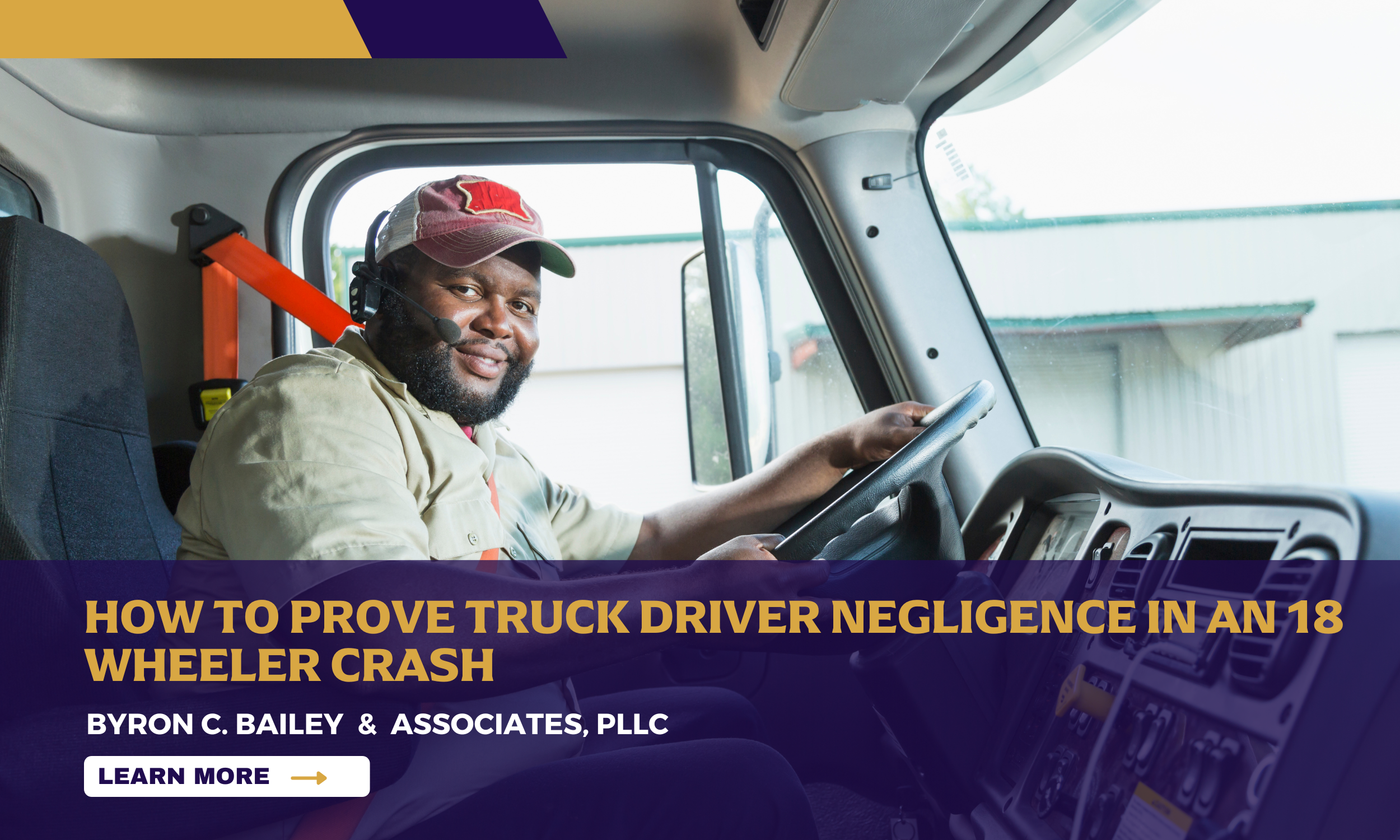
How to Prove Truck Driver Negligence in an 18-Wheeler Crash

Accidents involving 18-wheelers are some of the most catastrophic collisions on the road. Due to their massive size and weight, these trucks can cause devastating injuries and fatalities when they collide with passenger vehicles. The sheer force of impact can leave victims with life-altering injuries, such as spinal cord damage, traumatic brain injuries, and broken bones. For families who have lost loved ones in these crashes, the emotional and financial toll can be overwhelming.
Proving negligence is essential for victims seeking compensation for medical bills, lost wages, pain and suffering, and other damages. If negligence can be established, victims may be entitled to financial recovery from responsible parties. But proving fault in an 18-wheeler accident is complex, requiring thorough investigation and substantial evidence.
Multiple parties could be responsible for an accident, including the truck driver, trucking company, maintenance crew, or even the truck manufacturer. Understanding how to prove negligence is crucial to ensuring justice is served and victims receive the compensation they deserve.
1. Understanding Truck Driver Negligence
Negligence in trucking accidents occurs when a driver or another responsible party fails to exercise reasonable care, leading to a crash. Truck drivers must adhere to strict federal and state regulations to ensure the safety of all road users. When they violate these rules, accidents can occur, often with severe consequences.
Some of the most common forms of truck driver negligence include:
Distracted Driving: Truck drivers spend long hours on the road, which can lead to boredom and distractions. Common distractions include texting, talking on the phone, eating, adjusting the radio, or using in-cab technology. Even a few seconds of inattention can lead to a devastating crash.
Fatigue and Hours of Service Violations: Federal Hours of Service (HOS) regulations limit how long a truck driver can operate before taking a mandatory rest break. Unfortunately, some drivers and trucking companies ignore these rules to meet deadlines, leading to fatigued driving. A drowsy driver has slower reaction times and impaired judgment, making them a significant hazard.
Speeding and Reckless Driving: Due to delivery pressures, some truck drivers exceed speed limits or drive aggressively. Speeding in an 18-wheeler significantly increases stopping distance and reduces a driver's ability to react in time to prevent a crash.
Driving Under the Influence: Some truck drivers use drugs or alcohol to cope with long hours on the road. Impaired driving drastically affects a trucker’s ability to control their vehicle safely, increasing the risk of an accident.
Poor Vehicle Maintenance: Trucking companies and drivers are responsible for maintaining their vehicles properly. Faulty brakes, worn-out tires, or mechanical failures due to neglect can lead to preventable crashes.
2. Collecting Crucial Evidence
Proving negligence in an 18-wheeler crash requires substantial evidence. Gathering the right information can strengthen a victim’s case and help establish liability.
Accident Scene Evidence: Immediately after a crash, it’s vital to document the scene. Taking photos and videos of the damaged vehicles, road conditions, skid marks, and debris can provide critical details about what happened. If possible, victims or witnesses should also note weather conditions and any visible signs of driver negligence, such as a distracted driver holding a phone.
Black Box Data: Most commercial trucks are equipped with an Event Data Recorder (EDR), also known as a black box. This device records essential data such as speed, braking, and steering inputs. If the black box data shows erratic driving or failure to brake before impact, it can serve as strong evidence of negligence.
Driver Records & Logs: Federal law requires truck drivers to maintain detailed logs of their driving hours to ensure compliance with HOS regulations. Investigating these logs can reveal whether a driver exceeded their allowed driving hours, potentially leading to fatigue-related crashes. Additionally, drug and alcohol test results may show if the driver was under the influence at the time of the accident.
Witness Statements: Eyewitness accounts from other drivers, pedestrians, or passengers can be valuable in establishing what happened. If a witness saw the truck driver texting, swerving, or speeding, their testimony could support a negligence claim.
Police Reports & Citations: When law enforcement arrives at the scene, they typically create an accident report detailing their findings. If a truck driver was cited for a traffic violation, such as running a red light or speeding, this information can be used as evidence of negligence.
Expert Testimony: Accident reconstruction specialists analyze crashes by examining vehicle damage, skid marks, and other factors to determine how the accident occurred. Their professional analysis can help strengthen a legal case.
3. Establishing Liability
Determining who is at fault in an 18-wheeler accident can be complex. While the truck driver is often responsible, other parties may also share liability.
Truck Driver Liability: If a driver was speeding, distracted, fatigued, or intoxicated, they could be held responsible for the crash.
Trucking Company Liability: Employers are responsible for ensuring their drivers are properly trained and follow safety regulations. If a trucking company fails to enforce HOS rules, hires unqualified drivers, or pressures employees to meet unrealistic deadlines, they may be liable.
Maintenance Company or Manufacturer Liability: If a crash occurs due to faulty brakes, tire blowouts, or mechanical failures, the maintenance provider or truck manufacturer may be at fault. Regular vehicle inspections are required by law, and failure to maintain a truck properly can be considered negligence.
4. Legal Steps to Take
If you or a loved one has been involved in an 18-wheeler accident, taking immediate legal action can help protect your rights.
Hire an Experienced Truck Accident Attorney: Trucking companies and their insurers have teams of lawyers ready to minimize liability. Having a knowledgeable attorney on your side ensures that you have the best chance of proving negligence and securing fair compensation.
File a Claim Against Responsible Parties: Victims can file claims against the truck driver, trucking company, maintenance provider, or any other party responsible for the crash.
Understand Comparative Negligence Laws: Texas follows a modified comparative negligence rule, meaning that if you are partially at fault, your compensation may be reduced. If you are found to be more than 50% responsible, you may be ineligible for compensation. An attorney can help counter any arguments that unfairly place blame on you.
Conclusion
Proving truck driver negligence in an 18-wheeler accident requires swift action and strong evidence. The aftermath of a crash can be overwhelming, but collecting accident scene evidence, obtaining police reports, and consulting experts can significantly strengthen your case. Holding negligent truck drivers and companies accountable is essential to ensuring justice and financial recovery for victims. If you or a loved one has been injured in a trucking accident, consulting an experienced attorney can make a significant difference in the outcome of your case. Acting quickly and securing professional legal help can provide the best chance for obtaining the compensation you deserve.

The Role of Community Clinics in Addressing Insurance Gaps

In a world where healthcare is often tied to employment and socioeconomic status, the significance of community clinics in bridging the gaps left by insurance disparities cannot be overstated. Healthcare should be a basic right, not a privilege reserved for those with financial stability or employer-provided insurance. Unfortunately, millions of Americans still find themselves caught in the middle, unable to qualify for Medicaid yet unable to afford private health insurance. This gap disproportionately affects people of color, particularly Black communities, where historical disenfranchisement has led to generational disparities in wealth and access to quality care.
Community clinics have long stood as pillars of support, ensuring that no one is left behind due to bureaucratic red tape or financial hardships. Their role in addressing insurance gaps is critical—not just for individuals but for the overall health and productivity of society. As we look at their impact, it’s essential to reflect on the historical significance of access to healthcare and why Black history plays a key role in understanding the present-day disparities that these clinics seek to mitigate.
The History of Healthcare Disparities and the Rise of Community Clinics
Understanding the importance of community clinics requires looking at the broader historical context of healthcare inequality. The American healthcare system has long been shaped by policies that excluded Black and low-income individuals from receiving adequate care. From segregated hospitals in the Jim Crow era to the persistent racial bias in medical treatment today, the struggle for equitable healthcare has been a long and ongoing battle. The Tuskegee Experiment, which ran from 1932 to 1972, is just one stark example of how Black communities have been systematically mistreated by the healthcare system, leading to a deep-rooted mistrust of medical institutions.
The Civil Rights Movement of the 1960s brought significant strides in healthcare access. The passing of Medicare and Medicaid in 1965 was a turning point, providing healthcare for the elderly and low-income individuals. However, these programs still left many gaps, especially for those who earned just enough to be ineligible but not enough to afford private insurance. Recognizing these disparities, activists and community leaders began establishing community health clinics, with the first federally funded clinic opening in 1965 in Mound Bayou, Mississippi—a town founded by formerly enslaved people. This clinic was a beacon of hope, proving that healthcare could be both affordable and accessible to all, regardless of race or income level.
The Lifeline of the Uninsured: How Community Clinics Bridge the Gap
Today, community clinics serve over 30 million Americans, providing vital healthcare services to those who fall through the cracks of the insurance system. These clinics operate on a sliding-scale basis, ensuring that patients receive medical care regardless of their ability to pay. Unlike private healthcare institutions that prioritize profit, community clinics focus on holistic and preventive care, reducing the burden of emergency room visits and long-term health complications.
One of the most significant roles of community clinics is their ability to provide culturally competent care. Many clinics are staffed by professionals who understand the unique challenges faced by the communities they serve. For Black patients, this can mean the difference between life and death. Studies have shown that Black individuals are more likely to experience medical bias, leading to misdiagnoses or inadequate pain management. Community clinics prioritize patient-centered care, ensuring that individuals are treated with dignity, respect, and understanding.
Beyond medical treatment, community clinics offer crucial services such as mental health counseling, prenatal care, substance abuse programs, and chronic disease management. In areas where Black maternal mortality rates are alarmingly high—Black women are three times more likely to die from pregnancy-related complications than white women—these clinics provide life-saving prenatal and postnatal care that otherwise might be out of reach.
The Impact on Public Health and Economic Stability
The benefits of community clinics extend far beyond the individuals who walk through their doors. When people have access to preventive care, they are less likely to develop chronic conditions that require expensive and prolonged treatment. This reduces the overall strain on the healthcare system and saves taxpayers billions of dollars each year. In fact, a study by the National Association of Community Health Centers found that every dollar invested in community clinics saves approximately $24 in overall healthcare costs.
Furthermore, access to healthcare has a direct impact on economic stability. When individuals can receive medical care without the fear of financial ruin, they are more likely to remain employed, care for their families, and contribute to their communities. For Black communities, where unemployment and underemployment rates are often higher due to systemic barriers, community clinics provide a crucial safety net that enables economic mobility.
During the COVID-19 pandemic, the importance of community clinics became even more evident. With hospitals overwhelmed and underserved communities hit hardest by the virus, clinics stepped up to provide testing, vaccinations, and treatment to those who might otherwise have been left behind. In many predominantly Black neighborhoods, these clinics were the frontline defense against a public health crisis that disproportionately affected people of color.
The Role of Black History in Understanding Healthcare Disparities
As we discuss the importance of community clinics, we must also acknowledge the role of Black history in shaping today’s healthcare landscape. Recognizing the historical injustices faced by Black communities in the medical field is crucial to addressing present-day disparities. The legacy of medical apartheid has left deep scars, but it has also fueled resilience, advocacy, and community-driven solutions.
The Black Panther Party’s Free Health Clinics of the 1960s and 1970s serve as a powerful example of how Black-led initiatives have historically filled the gaps left by systemic neglect. These clinics provided free medical care, health education, and screenings for illnesses that disproportionately affected Black communities. Their efforts laid the groundwork for many of the community health initiatives we see today.
Black history is American history, and forgetting it means ignoring the root causes of the disparities we are still fighting to eliminate. When we uplift Black stories, struggles, and triumphs, we move closer to a more equitable healthcare system—one that truly serves everyone, regardless of race or income.
Moving Forward: The Future of Community Clinics in Healthcare Equity
As the U.S. continues to grapple with healthcare reform, community clinics must remain a central part of the conversation. Policymakers should focus on increasing funding for these clinics, expanding their services, and ensuring that healthcare is a right, not a privilege. With the rise of telemedicine, community clinics have even greater potential to reach patients in rural and underserved areas, further closing the insurance gap.
Individuals can also support community clinics by advocating for healthcare policies that prioritize equity, volunteering, and donating to local clinics that rely on community support to continue their work. Social media provides a powerful platform for amplifying these efforts, spreading awareness, and driving engagement. By sharing stories, data, and calls to action, we can ensure that these clinics receive the recognition and support they deserve.
Conclusion
Community clinics are more than just healthcare providers; they are symbols of hope, resilience, and justice. They serve as a crucial bridge for millions of uninsured and underinsured individuals, proving that quality medical care should never be a luxury reserved for the privileged few. As we honor Black history and the long fight for healthcare equity, we must continue to uplift and support the institutions that make the world a better place for everyone involved. Healthcare disparities did not emerge overnight, and they will not disappear without collective effort and sustained action. By investing in community clinics, advocating for fair healthcare policies, and remembering the historical context of these struggles, we can create a future where healthcare is truly accessible to all.